The London Borough of Croydon is poised for another year of significant change in 2026, with a series of major regeneration projects set to advance against the backdrop of ongoing financial challenges and key local elections.
Financial Foundations and Political Landscape
Croydon continues to operate under the shadow of its historic £1.4 billion debt. In July 2025, the government appointed commissioners to oversee council services, a move initially opposed by Mayor Jason Perry but now accepted as part of a "short, sharp reset". The commissioners will remain until at least July 2027.
A financial bright spot came with the government's overhaul of the local funding formula, set to provide Croydon Council with an additional £40 million per year for three years. The political direction for these funds will be contested in May 2026, when all 28 council wards and the mayoralty are up for election, testing Mayor Perry's administration.
Flagship Projects on the Horizon
Several long-discussed schemes are anticipated to reach crucial milestones in the coming year.
The Westfield and Hammerson partnership's town centre masterplan, promising a mix of retail, housing and community space, is expected to finally submit a planning application in 2026. After years of consultation and delay, scepticism remains high among residents awaiting visible progress.
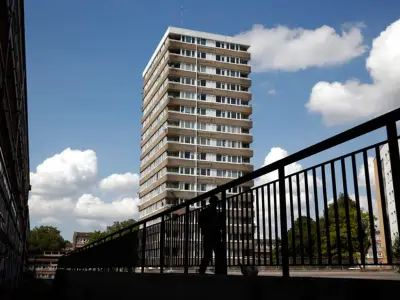
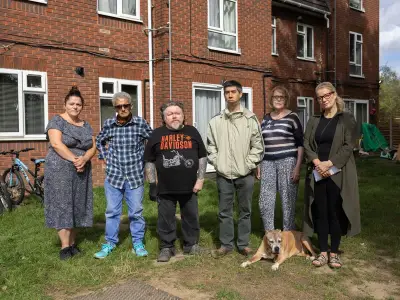
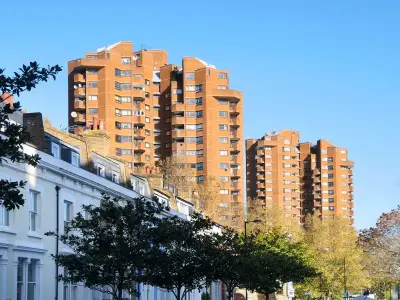
In housing, the Regina Road estate redevelopment will move into its next phase. Demolition of blocks 89–123 is scheduled to begin, alongside initial construction works from March. This flagship scheme, backed by a £54 million GLA grant, aims to deliver up to 340 new homes, with 225 affordable units in the first phase.
Other significant residential projects include the Tapestry development (676 build-to-rent homes), the office-to-residential conversions of Lunar and Apollo House, and the approved redevelopment of the Woburn and Bedford Court estate for 445 new homes. Demolition on the latter is expected to begin in 2026.
Leisure, Transport and Community Spaces
Beyond housing, Croydon will see progress in community infrastructure. The controversial Purley Pool project, featuring a new leisure centre and over 200 later-living homes, awaits final GLA approval with full consent and demolition expected in 2026.
Transport improvements funded by an £18.5 million Levelling Up Fund award will continue. Works on the Dingwall Road Roundabout and George Street are due for completion, while the long-delayed East Croydon rail bridge is now forecast to open in autumn 2026 at the earliest.
Perhaps the most welcome green space development is the transformation of wasteland between Fairfield Halls and Croydon College into Croydon's first new public park since 2022, funded through Growth Zone business rates.
Selhurst Park Expansion Gets Green Light
For Crystal Palace fans, 2026 promises off-pitch excitement. Chairman Steve Parish confirmed that construction work on the £200 million Main Stand expansion will begin in January. The project, which will increase capacity from 5,200 to 13,500 seats, has been redesigned to use more steel, reducing costs.
The update, coupled with new investment from New York Jets owner Woody Johnson, has renewed optimism for the stadium's transformation, with Mayor Perry pledging continued support.
As Croydon navigates its financial recovery, 2026 stands as a pivotal year where decades of planning for its urban landscape could finally start becoming a visible reality, reshaping the town centre, its housing stock, and its community facilities for generations to come.