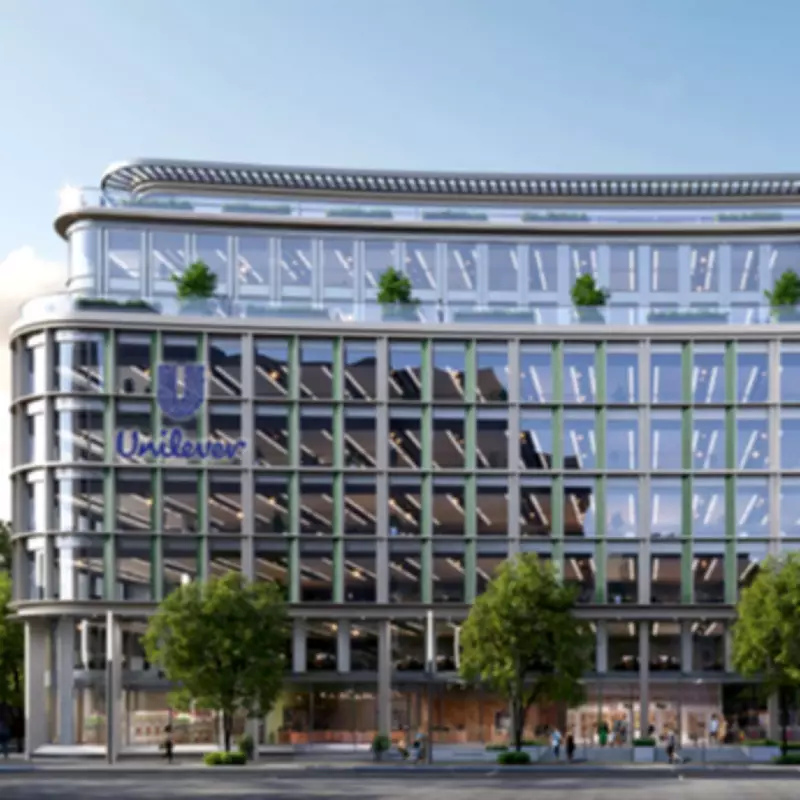
Kingston's Skyline Poised for Transformation with Taller Residential Towers
Kingston Council is considering a significant revision to development plans adjacent to Unilever's new UK and Ireland headquarters, with proposals for two substantially taller residential towers that could dramatically alter the South London townscape. The original approval for a 16-storey apartment building on the Eden Campus site may be superseded by an ambitious new scheme featuring blocks reaching up to 19 and 13 storeys respectively.
Revised Proposals for Enhanced Urban Integration
Developer Cube Real Estate has initiated public consultation on updated designs that would replace the previously sanctioned single structure with two slimmer, more architecturally refined buildings. According to consultation documents, this reconfiguration aims to create a more harmonious gateway to Kingston town centre while respecting adjacent conservation areas including Kingston Old Town and Fairfield/Knights Park.
The proposed development would demolish the former Lever House office building to make way for 272 co-living and affordable homes, complemented by coworking facilities and a ground-level café. The co-living units are specifically designed as studio accommodations with shared kitchens, lounges, workspaces, and outdoor areas, targeting professionals seeking proximity to employment hubs and public transport networks.
Architectural Evolution from Previous Approvals
Kingston Council originally granted outline permission for the second phase of the Eden Campus development in 2021, which envisioned a 16-storey apartment block containing 115 residential units alongside café facilities. The current proposal represents a substantial evolution of that concept, with Cube Real Estate asserting that the revised scheme better addresses urban design principles and local housing requirements.
Architects Darling Associates, who previously worked on the Eden Campus masterplan, have reimagined the site layout to create what they describe as "a high-quality design that works better for Kingston." The developer emphasizes that the two-tower approach would improve daylight penetration, enhance views for future residents, create more usable ground-level space, and establish a stronger relationship with the adjacent Hogsmill River.
Contextual Development within Evolving Campus
The proposed residential towers constitute the second phase of the broader Eden Campus regeneration, following the completion of two office buildings (10 and 8 storeys respectively) and a multi-storey car park during the initial development stage. While the site was originally intended to become Unilever's global headquarters, the consumer goods giant subsequently confirmed it would occupy only the eight-storey building as its UK and Ireland base, with the remaining office space being sublet to other tenants.
Unilever's new headquarters is scheduled to open this spring, adding significant employment density to the area and potentially increasing demand for nearby housing options. The co-living concept specifically targets this emerging workforce demographic seeking convenient, community-oriented living arrangements near their workplace.
Next Steps in the Planning Process
The online consultation period for the revised proposals remains open until February 26, after which Cube Real Estate will finalize the scheme before submitting a formal planning application to Kingston Council. The development would require fresh approval from planning authorities to proceed, given the substantial departure from previously granted permissions regarding building height, massing, and residential capacity.
The outcome of this application will determine whether Kingston's evolving skyline gains two prominent new landmarks that could redefine the town's architectural character while addressing pressing housing needs through innovative co-living models. The decision will also signal how local authorities balance heritage conservation concerns with demands for increased urban density and modern housing solutions.