Victoria's Housing Policy Ignites Political Firestorm Between Liberal and Labor
In a dramatic escalation of political tensions, Victoria's newly unveiled housing policy has become the epicenter of a heated clash between the Liberal and Labor parties. The policy, aimed at addressing the state's escalating housing crisis, has sparked intense debates over planning reforms and affordability measures, with both sides trading sharp criticisms as state elections loom on the horizon.
Planning Reforms at the Heart of the Dispute
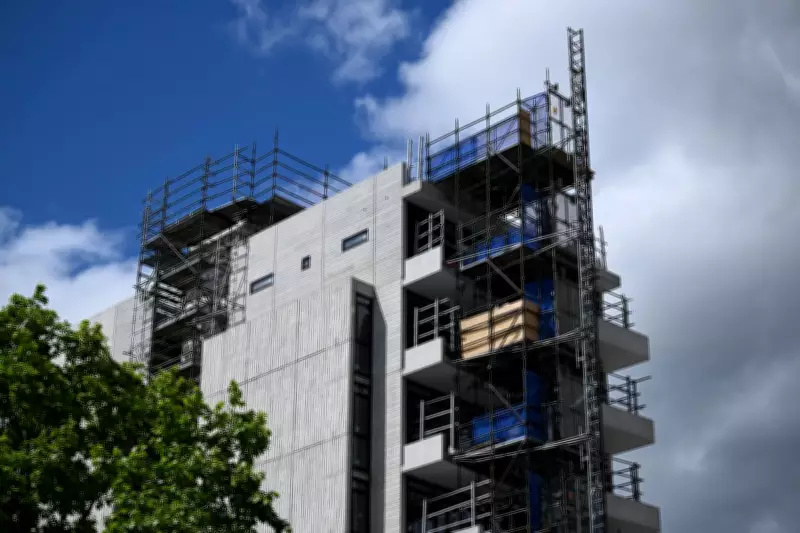
The core of the controversy revolves around proposed planning reforms designed to streamline development approvals and increase housing supply. Labor has championed these changes as essential for tackling Victoria's chronic shortage of affordable homes, arguing that they will expedite construction and reduce bureaucratic delays. However, the Liberal opposition has vehemently opposed the reforms, labeling them as reckless and warning that they could lead to unchecked urban sprawl and environmental degradation.
Key aspects of the policy include:

- Accelerated approval processes for new housing projects in designated growth areas.
- Incentives for developers to include affordable housing units in their plans.
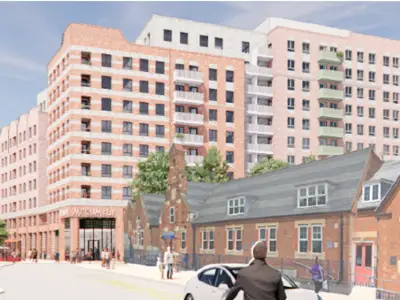
- Revised zoning regulations to allow for higher density in urban centers.
Affordability Measures Under Scrutiny
Beyond planning, the policy introduces several affordability measures that have further fueled the political divide. Labor has emphasized initiatives such as first-home buyer grants and rental assistance programs, positioning them as critical support for struggling families. In contrast, the Liberals have criticized these measures as insufficient and fiscally irresponsible, advocating instead for tax cuts and deregulation to stimulate market-driven solutions.
The debate has intensified amid rising public concern over housing costs, with recent data showing a sharp increase in rental prices and home ownership becoming increasingly out of reach for many Victorians. Both parties are leveraging this issue to rally their bases, with Labor framing the policy as a progressive step toward social equity, while the Liberals accuse the government of overreach and mismanagement.
Election Implications and Future Outlook
With state elections approaching, the housing policy has emerged as a pivotal battleground issue, likely to influence voter sentiment significantly. Political analysts suggest that the outcome of this clash could shape Victoria's housing landscape for years to come, impacting everything from urban development to economic stability. As negotiations and public consultations continue, stakeholders from across the spectrum—including community groups, industry representatives, and environmental advocates—are closely monitoring the developments, adding layers of complexity to an already contentious political arena.
In summary, Victoria's housing policy has not only highlighted deep ideological rifts between the Liberal and Labor parties but also underscored the urgent need for sustainable solutions to the state's housing challenges. The ongoing political drama serves as a stark reminder of how planning and affordability issues can dominate public discourse and electoral dynamics in modern governance.