Skye, a 25-year-old special educational needs teaching assistant, lives in a van in Cornwall to escape the housing crisis. She parks in car parks away from beaches, never stays more than one night, and endures freezing winters. “Some winters I’ve had ice on the inside of my van windows, and the door handles frozen shut with me inside,” she says. Her diesel heater once failed, leaving her cold all winter. “That was genuinely awful.”
Tourism Fuels Housing Shortage
Cornwall attracts 4 million tourists annually, driving the economy but also inflating property prices. An estimated 24,000 Airbnbs and holiday lets exist, alongside 13,000 second homes. Long-term rentals are scarce, and many young people rely on seasonal work, making regular rent payments difficult. Skye moved from Milton Keynes at 16, but after her parents separated, she slept on sofas. Despite having a job, she lost rental bids to out-of-town buyers. She took out a loan and bought an old van, which she has lived in for five years, despite frequent breakdowns and a £2,000 repair bill.
Van Life: Freedom and Struggles
Skye enjoys the freedom but feels forced to move nightly. “I don’t stay anywhere for more than a night,” she says. Caroline Dann, who runs Traveller Space, a charity supporting van dwellers, notes that many young locals move out of their parents’ homes with nowhere to go. “Some are living in vans you can’t even stand up in,” she says. “Many are cold. A lot don’t have anything to cook on, so they are living on cheese sandwiches.” Her weekly drop-in offers hot meals, showers, and laundry facilities.

Lack of Skills and Support
Dann’s charity surveyed van dwellers in 2024 and found a stark contrast with Traveller communities. “Travellers have grown up like this. They know how to get water, they know someone who can fix their vehicle, they know how to keep a van warm,” she says. “What we’re seeing with the van dwellers is that they don’t have these skills.” Young people often spend all savings on an old van without knowing how to insulate it or find parking. Isolation is another challenge, with some not speaking to anyone for a week.
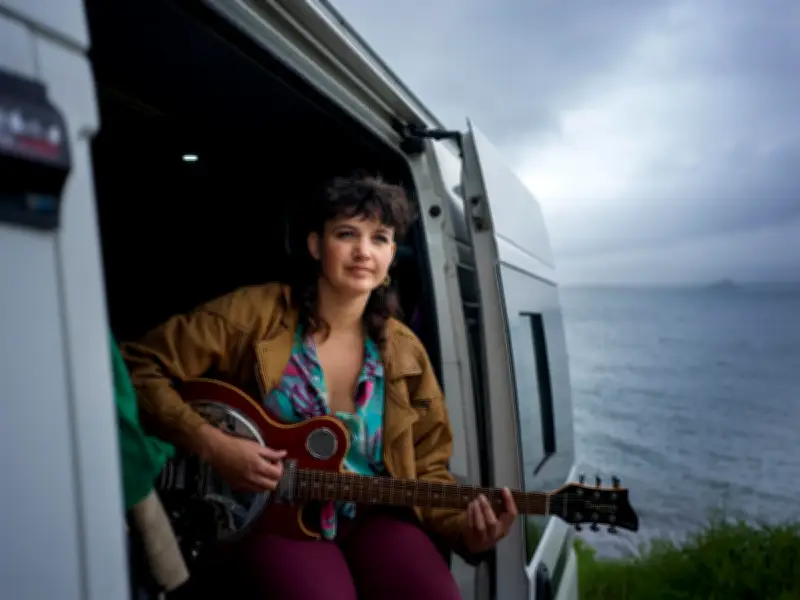
Louella, a 33-year-old singer-songwriter, has lived in her van since age 26. She avoids campsites as too expensive and relies on friends for water. “Sometimes you don’t shower for a week because you don’t want to have to keep asking your friends if you can come and use theirs,” she says. Winter is the loneliest time, and she sometimes goes to the pub just for company. “I can’t afford to pay rent and pursue my music career,” she says, adding that she can’t imagine affording a house.
Alternative Accommodation
At Potter’s Farm in Halvasso, owner Sue Nicholls rents caravan spaces to 35 people, most referred by homeless charity St Petroc’s. Some are as young as 17. The caravans are old and shabby, and the field becomes a bog in winter. “It’s remote here and in winter the wind can be horrendous,” Nicholls says. She donates food and logs, but feels residents lack external support. “Everyone here is vulnerable. They are all struggling with their mental health. I wish there was more for them. But it feels like they are on their own.”
Future Uncertain
Skye worries about council crackdowns on vans in seaside areas. “Maybe one day I’ll get a bit of land to call my own and park my van on it,” she says. For now, she continues her nomadic life, balancing freedom with hardship.