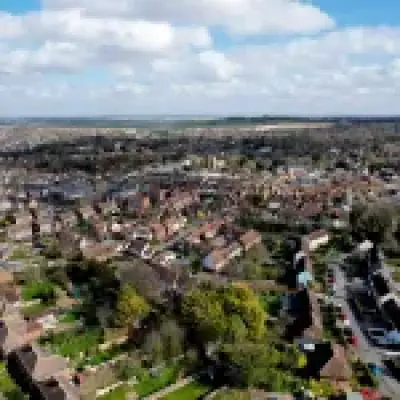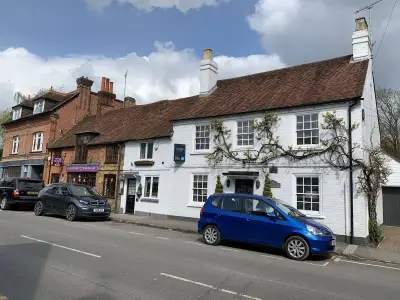
Plumstead residents have expressed fears that their South East London neighbourhood is becoming a “ghetto” due to a rapid increase in Houses in Multiple Occupation (HMOs), linking the conversions to rising anti-social behaviour and crime. A Freedom of Information request from May revealed that the number of HMO licences in Greenwich stood at 1,611, nearly double the 811 licensed HMOs reported in a July 2025 council meeting. In the Plumstead & Glyndon ward, licensed HMOs rose from 156 to 240 between March and the end of May this year, while in Plumstead Common, they increased from 56 to 94 in the same period.
Residents report crime and loss of family homes
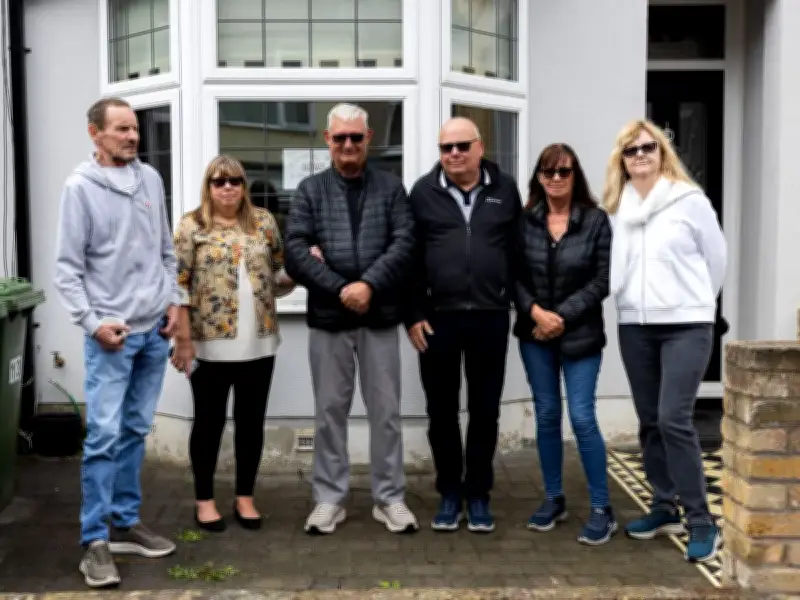
Local Voices on HMOs, a residents’ group of about 150 members, has formed to share concerns. Members claim that HMOs are being used by the council as temporary accommodation, potentially housing single men with mental health issues or recently released from prison, which they link to increased crime. One group member told the Local Democracy Reporting Service (LDRS): “These people need help. They don’t need putting together in one of those bedsits.” Another said: “It’s just turning the area into a ghetto.”
One man living near an HMO with a broken front door reported hearing shouting at night, finding rubbish, and evidence of drug use. He said the inhabitants were “clearly suffering.” Nine group members said their tyres had been slashed, and other concerns included men exposing themselves and defecating in the street. Melling Street resident Brian Connor, who has lived there for 46 years with his family, said the area had a “family feel” that is under threat. He said: “I just feel that family homes are being erased. There’d be nowhere for young families to go anymore. It’s doing a lot of damage, I think, to the community.”

Council brings in new HMO planning measures
Greenwich Council’s Cabinet Member for Planning and Development, Tom Creswell, said the council was “concerned” about the loss of family homes and is introducing new planning measures. The first measure prohibits converting homes with a gross internal area of less than 130sqm into HMOs. The second denies planning permission for a new HMO if there are three existing or permitted HMOs within the nearest ten properties of the application property. Cllr Creswell said these measures can be used from the next Local Planning Committee at the end of next month, before the new Local Plan is implemented.
Cllr Creswell also said that only 3.5 per cent of people housed in temporary accommodation by Greenwich Council are in HMOs, equating to 69 people. Responding to allegations about housing single men recently released from prison, he said: “I would be astounded if there was a concerted effort to do what’s being alleged, and it is just 3.5 per cent of our temporary accommodation mix. I just don’t think there’s any credibility in that.”
Council urges residents not to 'demonise' HMO occupants
Cllr Creswell said the council is trying to identify anti-social behaviour hotspots through more CCTV, but currently lacks data to link these reports to HMOs. He said: “HMOs in and of themselves are not inherently bad things. They are not inhabited by inherently bad people. You get people who cause issues in the community in whatever type of housing that you have and it’s really important that we don’t demonise any one group.” He added that HMOs provide a “really key form of housing for lots of people” and that residents must acknowledge the housing crisis.
Housing consultant Mark Brayford, with 35 years of experience working for boroughs including Ealing, Lewisham, and Hammersmith & Fulham, said Greenwich had “lost control” of its HMO process due to a lack of communication between planning, licensing, and building control departments. He said: “I’m scared that there’s a massive increase in properties that planning aren’t checking properly, licensing aren’t checking properly and building enforcement are ignoring. Then if something happens, everyone will point the finger at someone else and it will be a systematic governance failure.”

Cllr Creswell acknowledged that the departments “need to interact more” and said the council is updating its enforcement strategy following the Renters' Rights Act, which allows fines of up to £40,000 for rogue landlords. Despite these measures, a Local Voices on HMOs member said: “HMOs have infiltrated the community. This was a family area and it is taking family property away forever. These homes will not come back on the market as family properties.”