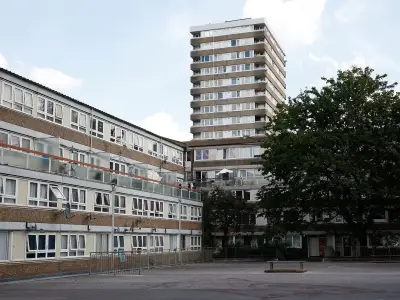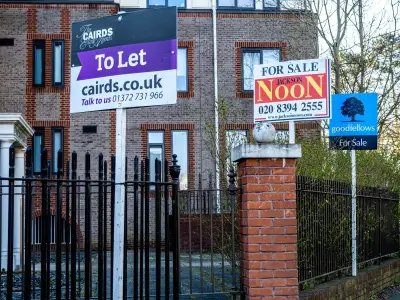
A growing number of Australian unit owners are taking control of their strata schemes, self-managing their buildings to cut costs and bypass what they see as a commercialised and unresponsive industry. The trend comes amid a Victorian government review that found declining consumer confidence and widespread concerns about governance, transparency, professional standards and dispute resolution.
Leaking roof sparks revolt
In Melbourne, one owner-occupier described a frustrating experience with a large strata management company. After buying a top-floor flat in a 1940s-era five-unit building, leaks soon appeared. The roof needed full replacement, but the owners’ corporation maintenance fund was empty. The manager, from one of Victoria’s largest firms, was largely unresponsive except at annual general meetings. The committee chair, one of three owner-occupiers, organised quotes and chased repairs himself. The owners set up a WhatsApp group and began troubleshooting collectively. After the manager failed to respond to urgent issues, they changed management companies and eventually decided to self-manage.
Industry structure and self-management
Strata title was introduced in New South Wales in 1961, with other states following. It created mechanisms for democratic collective management by owners. However, for-profit management companies have become almost synonymous with owners’ corporations. In Victoria, only complexes with more than 100 occupiable lots are required by law to have a manager; nationally, these account for just 1% of schemes, while 84% have 10 lots or fewer. Industry estimates suggest about 40% of strata complexes are self-managed, but they remain largely invisible.

Adam Promnitz, founder of advocacy group Strata Owners Alliance, says many people believe they need strata managers when they do not. He notes an arrogance within the industry, with some managers acting as if they are the boss of the building, whereas they actually work for the owners. The alliance was founded in 2019 by Promnitz and Kym Murphy, both of whom successfully sacked their paid managers and administered their owners’ corporations themselves. The group’s founding principle is grassroots empowerment through knowledge.
Industry pushback and regulatory gaps
The Strata Community Association (SCA), the industry’s main lobby group, says it represents owners and tenants as well as management companies. However, its Victorian branch’s 2024-2026 strategic plan listed “owners’ groups” under “threats”. The SCA has advocated for changes to Victorian law to make it mandatory for strata schemes with more than 10 lots to appoint a professional manager. Promnitz says the industry is almost completely blind to the level of discontent from owners and the amount of change required.
Submissions to a recent Victorian government expert review of the Owners Corporations Act detailed numerous problems: managers receiving huge commissions for building insurance; hidden financial relationships; unlawful or extortionate fees; unlawfully withholding access to records or funds; and “proxy-farming” – collecting absent owners’ proxy votes to influence meeting outcomes. The review found that despite an estimated 1.27 million Victorians living in strata-controlled properties, there was declining consumer confidence. Only 11% of survey respondents believed the laws ensured managers acted honestly. The review also noted an absence of proactive compliance and enforcement by Consumer Affairs Victoria and a lack of effective deterrence for non-compliance. Cases took an average of 23 weeks to go through the tribunal, with only 54% successfully resolved.
Investor-dominated committees
For some strata complexes, the problem is other owners. Lauren (name changed), a first-time buyer in her 40s, purchased a one-bedroom flat in a large 1930s walk-up in inner Sydney after receiving an inheritance. She spent a year in blissful ignorance until strata fees suddenly increased significantly. The committee, composed entirely of investors, had raised levies based on reports estimating millions of dollars in repairs due to water inundation and long-term neglect. The reports were not in the strata papers, so they were not picked up by her conveyancer.

Lauren says the investors had no financial interest in doing maintenance and did not care about the day-to-day experience of residents. She compiled evidence, contacted all owners directly, built allies, forced the committee to resign, and was elected to it herself. Nearly two years later, two-thirds of the building backs her, and repairs are being performed in order of urgency in a financially sustainable way. But the experience took a huge toll: “It made me hate my home. It made me hate every person around me. There was no escape.”
Self-management handbook
One owner-occupier, unable to find a DIY handbook for self-management, wrote their own. They cobbled together a checklist from anecdotes on the Strata Owners Alliance Facebook page, cross-referenced against state legislation, and asked Kym Murphy to check it. The transition process was just 10 steps. After contacting their former property manager to arrange handover, the manager apologised and waived the transfer fee. Since then, the owners have cut levies immediately, many by hundreds of dollars, and recovered the cost of accounting software by not paying commission on insurance. They successfully arranged full replacement of the building’s main electricity switchboard.
As the owner-occupier notes, occasional fear of overlooking something remains, but it is their home and their responsibility to do their best to look after it.