A shocking investigation has revealed the dangerous scale of illegal house shares across England, where vulnerable tenants are frequently left living in cramped and squalid conditions. These Houses in Multiple Occupation (HMOs), often seen as a lucrative investment, are fuelling a public health crisis while authorities struggle to keep pace.
The Scale of the Illegal HMO Problem
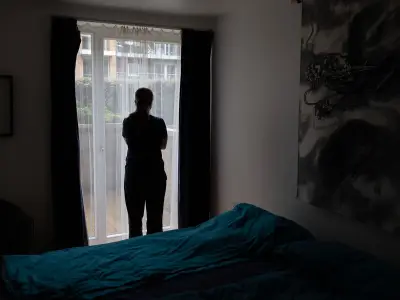
Alarmingly, at least one in four HMO properties in England is operating outside the law. These unlicensed, unregulated dwellings are frequently promoted as a quick route to profit for landlords, but the human cost is severe. Tenants, often from society's most vulnerable groups, end up packed into unsafe and poorly maintained buildings.
The situation is a direct symptom of a wider national emergency: a chronic and severe shortage of genuinely affordable housing. With few options available, many feel forced to accept substandard living conditions, trapped in a cycle of poor health and insecurity.

A Costly Public Health Emergency
This is far more than just a housing issue; it represents a full-blown public health emergency. The consequences of damp, cold, overcrowded, and hazardous homes are felt profoundly by the NHS. It is estimated that the health service spends a staggering £1.4 billion every year treating illnesses that are directly caused or significantly worsened by poor quality housing.
From respiratory conditions exacerbated by mould to injuries from faulty wiring or fire risks, the burden on hospitals and GP surgeries is immense and preventable. Each illegal HMO represents a potential cluster of avoidable health problems, placing further strain on an already overstretched system.
Grassroots Action and Building Hope
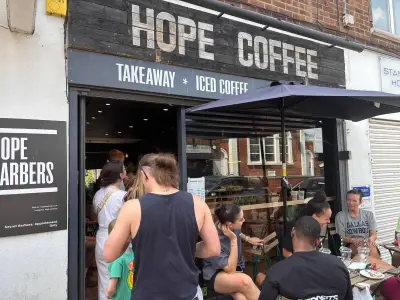
In the face of systemic failure, local community organisations are stepping into the breach to support tenants and improve conditions. The video report highlights the vital work of groups like Canopy and Back on the Map, which are working tirelessly on the ground.
These organisations form part of the Guardian's current charity appeal, which is raising crucial funds for projects that connect communities and foster solidarity, pride, and hope nationwide. Their work involves empowering tenants, advocating for their rights, and helping to transform neighbourhoods from the bottom up.
While the scale of the illegal HMO crisis is daunting, the efforts of these grassroots initiatives show that change is possible. They offer a blueprint for a more compassionate and effective response to a housing market that has failed too many for too long.