In a significant move to address public safety and inequality, New Orleans has launched the Lights On initiative, a $2.8 million project aimed at repairing broken and inadequate street lighting in underserved neighborhoods. The program, announced by Mayor Helena Moreno on 13 January, begins in New Orleans East, a predominantly Black area heavily impacted by Hurricane Katrina.
Historical Context of Lighting Inequality
Public lighting has long been a marker of socioeconomic disparity in American cities. Legal scholar Angela Allen-Bell notes, "Lights impact people and dictate the way they experience freedom and citizenship. These schemes can reflect, illuminate and reproduce inequalities in different communities." Wealthier neighborhoods often boast well-maintained lighting that enhances aesthetics and safety, while lower-income areas suffer from neglect.
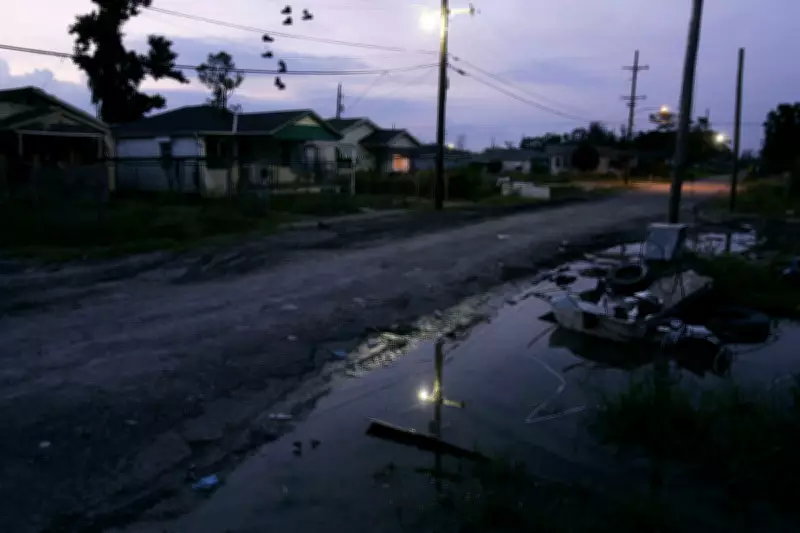
After Hurricane Katrina devastated New Orleans East in 2005, thousands of streetlights remained broken due to budget constraints and contractor limitations. Research indicates that inadequate lighting harms underserved areas, increasing crime and reducing residents' sense of security.
Details of the Lights On Initiative
The Lights On program replaces aged lighting with energy-efficient LED lights and solar sensors. The city has hired its own electricians to expedite repairs. As of 10 March, over 1,600 lights have been replaced or repaired, with a target of addressing approximately 3,000 work orders citywide. The Willow Apartments area in New Orleans East is a key focus.
Resident Dawn Herbert, who lives near the complex, noted positive changes: "I do feel a bit safer, and I think the initiative brings a light that we're not really used to in the community." However, others like Claudia Celestine disagree, stating that streetlights near service stations remain dim compared to station lighting.
Community Perspectives and Broader Goals
Despite mixed reactions, residents agree on the need for change. Allen-Bell, who grew up in New Orleans East, explains that after Katrina, low-income Black residents relocated to the East due to exclusion from majority-white areas, bringing with them poverty-related issues such as violence and trauma.
Studies show that public lighting can reduce crime without invasive surveillance. Dr. Maria Barrera-Vilert, assistant professor of criminology at Loyola University, emphasizes that lighting must be part of a strategy that fosters community interaction and care for shared spaces.
Beyond illumination, residents hope the program spurs broader neighborhood revitalization and social reform, addressing long-standing inequalities in the city.