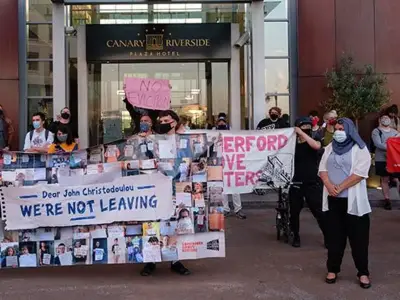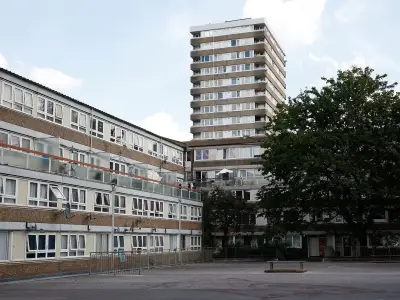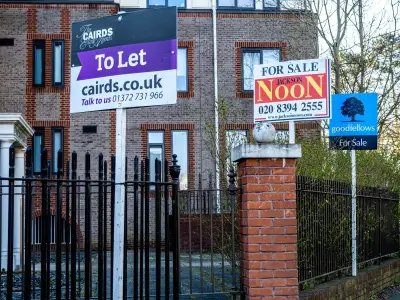
Homelessness Minister Alison McGovern has issued a clear warning to London councils, stating they must ensure no one is made homeless when properties are purchased on the open market for temporary accommodation. The response follows an investigation by the Local Democracy Reporting Service (LDRS) that revealed a third of councils in London do not check whether landlords are evicting tenants to facilitate such sales.
Investigation uncovers widespread lack of oversight
Last month, the LDRS reported that 11 London boroughs did not record whether landlords were evicting tenants to allow their homes to be used for temporary housing. At least two authorities, Westminster and Enfield, were aware of evictions taking place. In Enfield, two households were evicted via Section 21 'no fault' eviction notices in 2024, a practice that became illegal under the Renters' Rights Act implemented on May 1.
In March, the LDRS revealed that tenants in Kew were being evicted so Westminster City Council could use their homes for temporary accommodation, sparking fury from Richmond Council. Following press coverage, Westminster allowed some residents to remain.

Minister's response and government action
In response to the investigation, Ms McGovern said: “Everyone deserves the security of a safe home, and it’s only right that everyone is treated fairly every step of the way. That’s why we expect councils to make sure no one is impacted when homes are being purchased.” She added that the government is supporting councils to improve temporary accommodation, backed by £39 billion to deliver a “generational boost to social and affordable housing.”
Academic calls for empty homes strategy
Dr Glyn Robbins, an academic and housing campaigner, said the practice of making some people homeless to house others is not new. He noted there are at least 100,000 long-term empty homes in London that could be used. “Before making people homeless to house the homeless, politicians and policy makers should develop an urgent, robust policy of bringing empty homes back into use, including emergency requisition of homes that property owners leave empty for extended periods,” he told the LDRS. He also suggested converting empty office space into housing, but stressed this requires a “total rethink” of housing policy.
Rising numbers in temporary accommodation
The number of people living in temporary accommodation in London has risen from 38,805 in 2011 to 74,858 in 2025, according to Trust for London. Councils are increasingly buying homes for temporary use to move away from nightly paid accommodation such as hotels.
A spokesperson for the Mayor of London said the Mayor is delivering 6,000 new rent-controlled homes for key workers and has welcomed the Renters' Rights Act. The Mayor's Rogue Landlord and Checker tool has been viewed almost 700,000 times since 2017, helping renters hold landlords to account.