Madrid Tenants Unite to Combat Landlord Harassment Amid Housing Shortage
In the bustling capital of Spain, a growing movement of tenants is fighting back against what they describe as systematic harassment by landlords, as the city grapples with a deepening housing crisis. Reports indicate that aggressive tactics, including illegal evictions, rent hikes, and neglect of property maintenance, are becoming increasingly common, prompting residents to organize into collectives for legal and social support.
Rising Tensions in a Tight Rental Market
The situation in Madrid reflects broader issues across Spain, where a shortage of affordable housing has intensified competition and driven up rental prices. Tenants allege that some landlords are exploiting this imbalance by employing intimidation and unlawful practices to force them out, often to re-let properties at higher rates. This has led to a surge in legal disputes and public demonstrations, with activists calling for stronger enforcement of tenant protection laws.
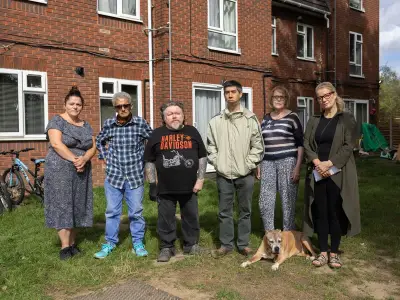
One tenant collective, formed recently in a central Madrid neighborhood, has documented multiple cases of harassment, such as sudden utility cutoffs and unauthorized entry by property owners. These actions not only violate Spanish housing regulations but also create significant stress and instability for affected families, many of whom are struggling to find alternative accommodations in a market with limited options.
Legal Battles and Community Mobilization
In response, tenant groups are leveraging legal avenues, filing complaints with local authorities and seeking court injunctions to halt evictions. They are also organizing workshops to educate residents about their rights and provide resources for collective bargaining. This grassroots effort highlights a shift towards community-driven solutions in the face of governmental inaction, as policymakers debate reforms to address the housing shortage.
Experts note that the harassment tactics are often subtle, making them difficult to prove in court, but the collective action is gaining momentum. Protests have drawn hundreds of participants, with banners demanding "Housing as a Right, Not a Business" and calling for stricter penalties for abusive landlords. The movement has sparked discussions about the need for more robust tenant protections and increased social housing investments in Madrid.
Broader Implications for Spain's Housing Policy
The tenant struggles in Madrid are emblematic of a nationwide crisis, with similar reports emerging from other major cities like Barcelona and Valencia. As Spain's economy recovers from recent downturns, the housing market has become a focal point of social unrest, prompting calls for comprehensive policy changes. Advocates argue that without intervention, the situation could worsen, leading to greater displacement and inequality.
In the meantime, Madrid's tenant collectives continue to grow, offering a model of resistance that combines legal advocacy with community solidarity. Their efforts underscore the urgent need for solutions that prioritize affordable housing and tenant security in urban centers across Spain.