London Housing Regulator Issues Damning Verdict on City Corporation
The City of London Corporation has been sharply criticized by the social housing regulator for what it describes as "serious failings" in the management of its housing estates. In its inaugural review of the Corporation, the Regulator of Social Housing (RSH) uncovered a troubling array of issues, including more than 1,000 overdue fire safety actions and a substantial backlog of essential repair works.
Regulatory Rating and Compliance Concerns
The RSH assigned the Corporation a C3 rating, which, while not the lowest possible grade of C4, clearly signals that "significant improvement is needed." The report highlights that 18 percent of the Corporation's housing stock currently fails to meet the Decent Homes Standard, with full compliance not anticipated until 2035. This delay, coupled with the current proportion of non-decent homes, represents what the regulator terms "a serious failing that has resulted in poor outcomes for tenants."
Specific Failings and Safety Issues
Among the most alarming findings are the extensive health and safety deficiencies in both tenant homes and communal areas. The Corporation had self-reported its failure to meet electrical and fire safety requirements prior to the inspection. The regulator noted that while most overdue actions were assessed as medium risk, a number of high-risk actions have remained unresolved for over a year. Although the Corporation is strengthening its approach to managing these remedial actions, the sheer volume and extended timescales for remediation continue to be a major regulatory concern.

Financial Challenges and Investment Plans
The Corporation's Housing Revenue Account (HRA), the dedicated fund for repairs and maintenance, has faced significant financial strain. Earlier this year, it was revealed that the Corporation had to seek "exceptional support" from the government to complete essential works, a request that was recently granted. In response to the mounting repair backlog, the Corporation announced a £211 million funding package last year, supplementing a previously approved £110 million program.
Resident Experiences and Community Response
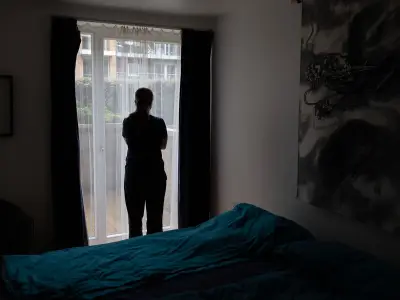
Residents have expressed frustration and disappointment with the Corporation's management. Jackie Doolan, a resident of the York Way Estate in Islington, stated that concerns raised by tenants have often fallen "on deaf ears." She cited persistent issues such as malfunctioning lifts, deteriorating ceilings, inadequate cleaning, and ongoing anti-social behavior. Liz Hirst, Vice Chair of the Barbican and Golden Lane Neighbourhood Forum, lamented the Corporation's inability to properly maintain its buildings despite its considerable resources, expressing serious doubts about its capacity to rectify the situation without adequate funding.
Corporate Governance and Accountability
Sue Pearson, Chair of the Golden Lane Estate Residents' Association and a former Corporation member, emphasized that the report's findings will come as "no surprise" to tenants. She criticized the lack of scrutiny and accountability within the Corporation's housing department, noting a culture of "procrastination and report producing." Pearson highlighted the unresolved recommendation from the 2020 Lisvane report to establish a separate Housing Committee, which she argues is essential for proper governance and tenant welfare.
Corporation's Response and Commitments
Deputy Helen Fentimen, of the Corporation's Community and Children's Services Committee, acknowledged the issues and stated that the City is "working at pace" to deliver upgrades for residents. She expressed satisfaction that the regulator recognized ongoing efforts to address the problems. Deputy Chris Hayward, the Corporation's Policy Chair, reiterated that the safety and comfort of residents are top priorities, pointing to the multi-million-pound housing investment action plan agreed upon in December as evidence of their commitment to improvement.

Broader Context and Estate Management
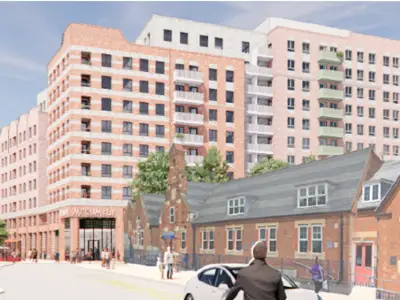
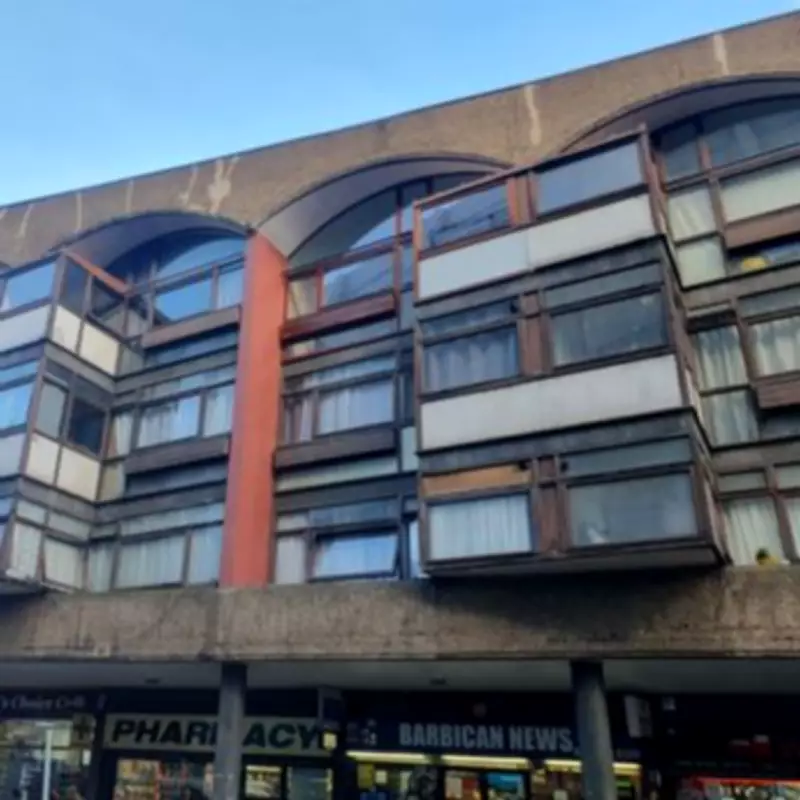
The City of London Corporation manages approximately 1,900 social homes, including notable estates like Golden Lane in Central London, which gained fame through its appearance in the Apple TV series Slow Horses. The Corporation also oversees properties outside the Square Mile, facing publicized challenges in both management and financing across its portfolio. The Local Democracy Reporting Service has documented various issues, from lift failures at the York Way Estate to damp and decay problems at Golden Lane.
Despite some positive notes from the regulator, such as effective handling of anti-social behavior and constructive engagement on raised issues, the overall assessment underscores a pressing need for systemic change and accelerated action to ensure safe, decent housing for all tenants.