After a full year of in-depth reporting on the capital's accommodation emergency, a team of journalists has revealed a disturbing pattern of apathy and systemic failure. From new-build flats already crumbling to residents abandoned for years with no functioning toilet, the investigation uncovers how those in power are turning a deaf ear to the desperate pleas of Londoners.
A Catalogue of Human Suffering
The investigation, which involved visiting hundreds of homes, documented case after case where basic living standards had completely broken down. The stories highlight a system where vulnerable people are falling through the cracks, their dignity stripped away by neglectful landlords and overstretched local authorities.
Mulki Elaw in Acton was left without a working toilet or shower for an entire decade, forced to rely on a neighbour's facilities after her housing association, Peabody, failed to make permanent repairs. In another case, a family in Neasden reported being "covered in rat bites" and living in what a pest controller called an "uninhabitable" property owned by Brent Council.

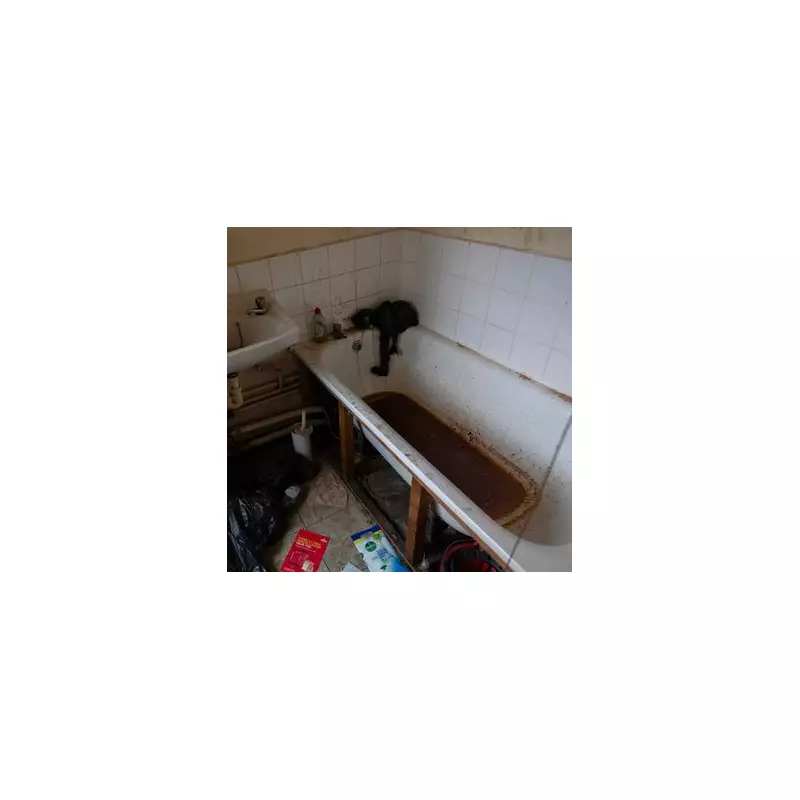
In Pimlico, residents of Morgan House claimed their tap water turned a "Fanta-colour" and smelled of petrol, causing skin irritation, despite Thames Water and Westminster City Council insisting tests showed no contamination. Meanwhile, in a Holborn flat provided by Camden Council, a 63-year-old man named Karim was found living surrounded by rubbish and flies, with no furniture and a single working lightbulb, after 22 years in the property.
Systemic Failures and Dangerous Conditions
The problems extend beyond individual neglect to widespread systemic issues. A major finding was the chronic failure of lifts in medium and high-rise buildings, effectively turning homes into prisons for elderly and disabled residents. Sarah Lyons on the Isle of Dogs, who has arthritis, described the exhausting and dangerous ordeal of climbing stairs when lifts break for weeks on end.
Similarly, Imran Durrani in Hounslow was forced to carry his disabled wife, Afsheen, up and down stairs multiple times a day after promised funding for home adaptations was withdrawn, risking serious injury to himself. In Shepherd's Bush, a mother named Eve spoke of her terror after a lift plummeted two floors with her inside, leaving her too scared to use it again.
Even brand-new council housing is not immune. At Kelso Cochrane House in Kensington, the council's first new homes in decades were plagued within a year by faulty plumbing, mould, mice, and a lift that constantly broke down. Tenants also reported a front door that wouldn't lock and a fire alarm that rang incessantly.
Councils Accused of Heartless Policies
The investigation also exposed controversial council policies that compound the crisis. Soheila Serkani and her daughter in West London were faced with an ultimatum from Hillingdon Council: accept a permanent move 275 miles away to Hartlepool or be declared "intentionally homeless." She refused, unwilling to quit her job and abandon her support network, and was left sofa surfing.
This practice of making "take it or leave it" offers of housing far from London is becoming increasingly common, allowing councils to legally discharge their duty to house people. In Ealing, a landlord was secretly recorded encouraging a family living in a mould-ridden annexe to refuse repairs and let him evict them, suggesting they could then get a bigger council property by presenting as homeless.
Another family in Ealing claimed they were "coerced" into signing for a filthy house with bloodstained curtains and a rat infestation, feeling they had no other choice but to accept or be left on the street. They ended up sofa surfing while still paying rent on the uninhabitable property.
The sheer scale of the crisis points to a fundamental lack of empathy and common sense from those in positions of responsibility. As the investigation concludes, while there is no single easy fix for London's housing shortage, a crucial first step must be to start listening to and prioritising the people whose lives are being devastated by a crisis not of their making.