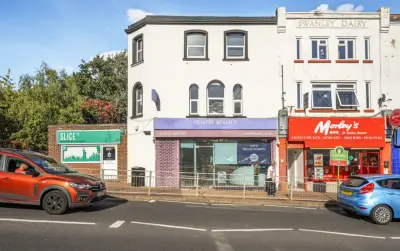
Residents living near Queen's Park station in West London claim HS2 tunnelling is causing severe damage to their homes. Several houses on Claremont Road and Kilburn Lane are either sinking or have severely cracked walls, prompting urgent safety concerns.
Two weeks ago, Brent Council put up emergency scaffolding on an end-of-terrace house in Claremont Road, with the ground-floor tenants moved to another property after cracks became so severe they posed a safety risk. Although cracks have been visible on some homes for several years, residents claim it has become drastically worse since HS2 tunnelling under the area took place between August 30 and September 13.
During that fortnight, a tunnel boring machine passed 18 metres below both streets while engineers carved out the underground stretch between Euston and Old Oak Common. Despite this, HS2 Ltd claims that many of these properties were already showing signs of cracking, while the soil in Queen's Park is susceptible to shrinkage during prolonged periods of hot, dry weather.
Residents report worsening cracks and subsidence
One Claremont Road resident, who asked to remain anonymous, said they noticed a substantial crack running the full height of their property at the end of September. In the days before, they started spotting other cracks towards the ceiling inside the home, before realising the same issue was affecting multiple floors.
They gave HS2 Ltd formal notice of the damage on October 3, but have since been told they won't hear back from HS2 Ltd for eight to 10 weeks due to the company currently handling a high volume of claims. As of the final week of October, the cracks have expanded to the width of a one-pound coin, he claims.
The resident has questioned why HS2 has not addressed his claim more urgently given the apparent safety concerns. “It's worrying to see part of our Victorian row actually crumble so much they had to make an emergency reinforcement of the building itself,” he told MyLondon.
“As a homeowner, when you've invested your entire life savings into your home, it's disheartening to see that we are left to now deal with this damage and without necessarily any clarity from HS2 on a speedy resolution. Looking at the fact that it's affected the entire block and multiple other properties nearby, it should be sufficient for HS2 to act with greater speed and urgency.”
Residents await compensation and action
In September 2025, he was invited by HS2 Ltd to sign a settlement deed, which allowed him to seek financial compensation if tunnelling had damaged his home. An assessment was then carried out and sent to him on June 23, including a photo of his building's façade showing no visible cracking.
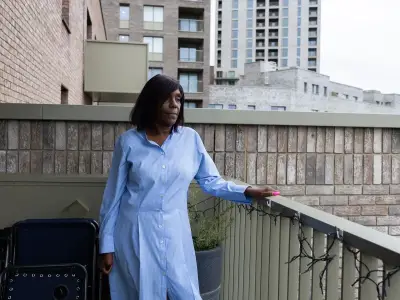
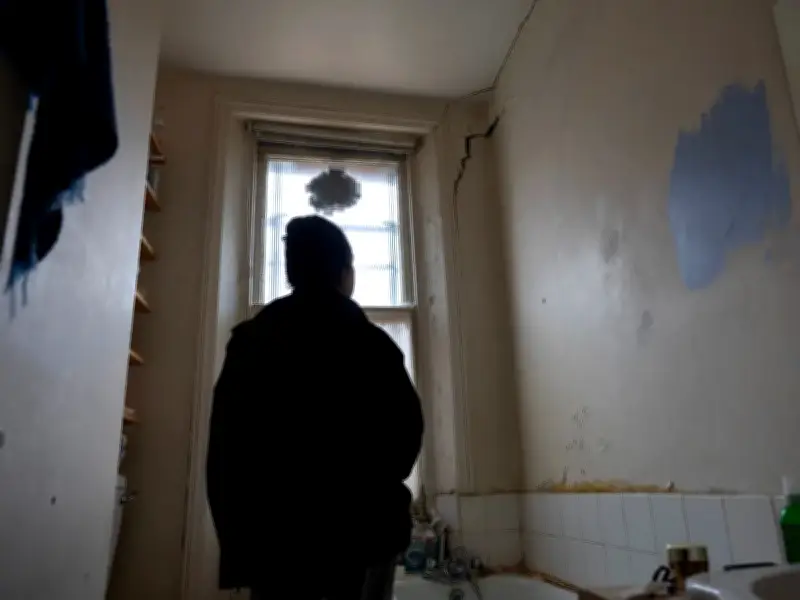
Sonia, 57, told MyLondon she has been “trying not to panic” since scaffolding was set up on the exterior of her Claremont Road flat a fortnight ago. While her downstairs neighbours have been rehomed, Sonia's housing association has yet to move her.
“I've lived here for 20 years and had cracking in my bathroom for a while, but it got a lot worse over the summer,” she told MyLondon. “We weren't able to get the building's front door open, so someone was sent out to shave it down, but now it's crooked, and you can see where it has sunk. When I saw the cracks get worse, I was really worried; I didn't know what to do. I'm trusting what my landlady has said, but it does make me concerned.”
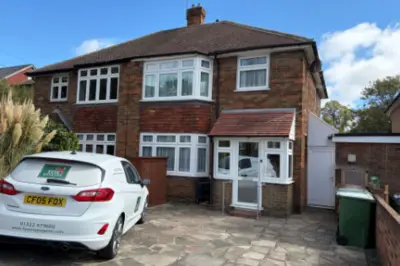
Although the homes along the west of Claremont Road closest to Kilburn Lane appear to be most impacted, about a dozen nearby residents told MyLondon they have noticed cracking for the first time since or that it has become considerably worse since the end of August. In one house on Kilburn Lane directly above the HS2 tunnel, a spider web of cracks has enveloped the living room.
Councillor calls for HS2 to acknowledge damage
Ceilan Handy, who lives in the property, said the wider area already has older housing and crumbling infrastructure, so is not surprised it has been susceptible to potential damage from HS2. Brent Liberal Democrat Councillor Barbara Want claims there is no doubt vibrations caused by tunnelling are at fault for homes near Queen's Park station experiencing cracking and subsidence.
“I simply don't believe that houses that have sat there for 150 years, suddenly, as a result of one very hot summer, could crack to the extent I've seen,” she told MyLondon. “The cracks appeared within days of the tunnelling happening; it's so obvious this is what's happening.”
Cllr Want, alongside other community groups, has been pushing for HS2 to acknowledge the damage she claims has been the result of tunnelling. “When I saw the cracks, I thought how incredibly worrying this must be for anybody living in one of those homes,” she continued.
“Not knowing if the cracks will get worse, not knowing what damage will be done to their property, and not knowing whether HS2, will do the decent thing and contact those residents immediately and discuss their concerns and reassure them that any damage will be repaired. Those residents absolutely do not deserve to be living in genuine fear about what's going to happen.”
The high-speed railway between London and Birmingham is due to open in stages between 2026 and 2043. Responding to MyLondon, HS2 Ltd said it carries out a comprehensive monitoring and surveying programme of ground levels before, during and after tunnelling takes place to assess ground movement.
It added that exceptionally dry weather experienced during the summers of 2025 and 2026 resulted in unusually high levels of clay shrinkage, which can lead to the widening of existing cracks and new ones appearing. A spokesperson for HS2 Ltd said: “We take our responsibility to communities very seriously and try to respond quickly to concerns when raised. Claims from inside the area that could be affected by our work are dealt with thoroughly and where tunnelling is shown to have a had a material impact on a property we will compensate. Analysis of the monitoring data indicates that tunnelling-related ground settlement in this area has been small in magnitude and in line with expectations.”