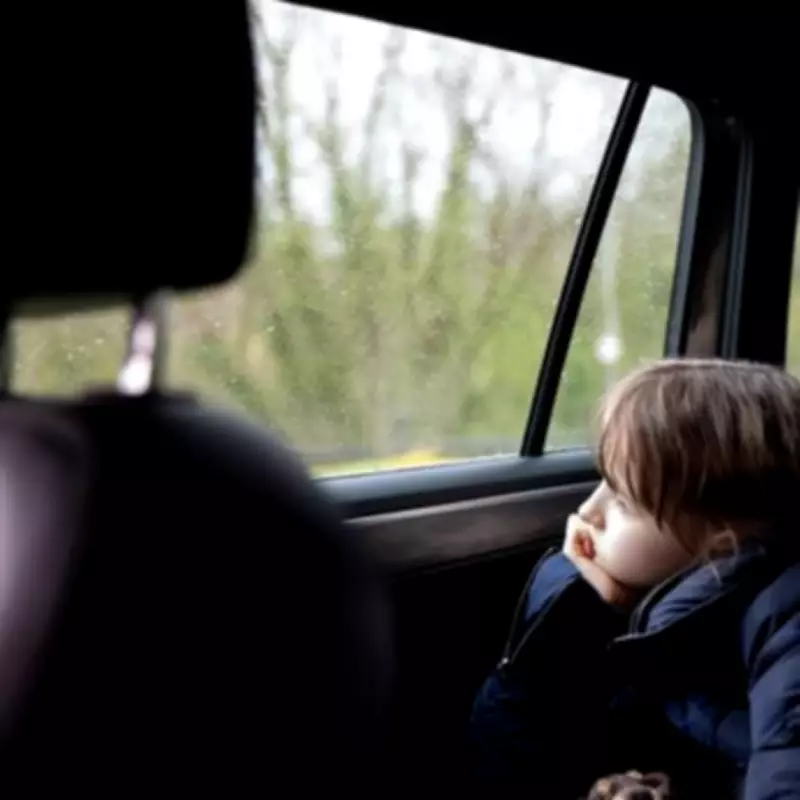
A mother and her three young children were compelled to live in their car for six months due to severe failures by Croydon Council, according to a government watchdog. The Local Government and Social Care Ombudsman (LGO) found that the family endured 'severe distress' during their period of homelessness.
Council's Failings
Among the council's shortcomings was offering emergency accommodation over 250 miles away, despite knowing the mother had caring responsibilities. The family became homeless after a Section 21 'no fault' eviction in August 2025. Croydon Council housing officers proposed relocating them to another town far from their local area.
The mother, referred to as Miss X in the official report, was a carer for her own mother, a fact already recorded on the council's system. However, the council argued she was not working enough hours to qualify for local support.

Consequences of Refusal
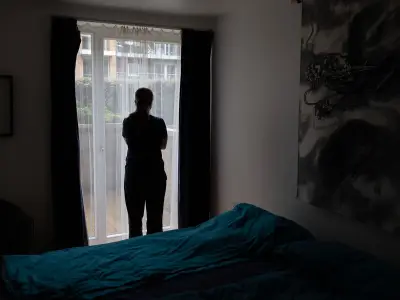
After Miss X refused the distant property, the family received no housing assistance from August 2025 to January 2026. During this time, they were forced to sleep in their car. The ombudsman noted that Miss X and her children experienced 'severe distress' during this uncertain period.
Ombudsman's Findings
The LGO found that Croydon failed in its legal duty to prevent homelessness when first presented with an eviction notice in December 2024. Housing officers worsened the situation by taking 14 weeks to process a housing review and delaying the complaint response by 67 working days.
In a decision issued on March 13, the LGO concluded that the council's actions caused the family severe physical, emotional, and psychological distress. Croydon Council was ordered to pay £7,700 in compensation, issue a formal apology, and backdate Miss X's priority status on the housing register.
Council's Response
A Croydon Council spokesperson said: 'We sincerely apologise to our resident and regret that she did not receive the support she needed. We have accepted the ombudsman's findings that there were delays in handling this case and that communications with our resident should have been better.'
The council noted that like many London boroughs, it faces growing demand for homelessness support and a national shortage of suitable housing. In 2024/25, requests for homelessness support increased by 50%, with over 4,800 applications processed.
The council has implemented changes to its housing service, including face-to-face and telephone services, appointment-based assessments, and tailored support for vulnerable residents. Staffing has also been increased to ensure accurate and timely issuance of Personalised Housing Plans.
Miss X and her family have since been placed in suitable accommodation and continue to receive support.