A Croydon resident has won the right to challenge the council in court over its decision to close a walk-in service for people seeking homelessness support. A High Court judge found minimal evidence that Croydon Council had put adequate measures in place for people who could not book appointments online, as the decision now awaits judicial review.
Background of the closure
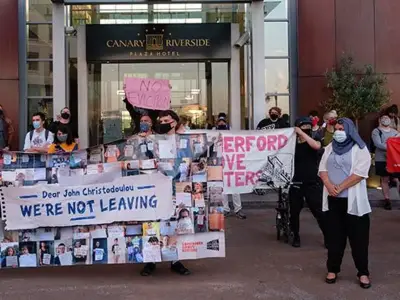
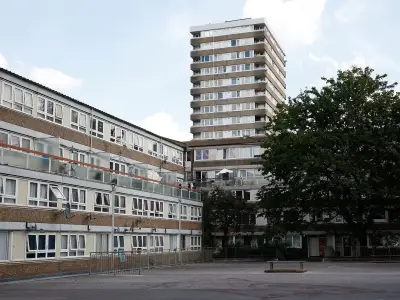
Last year, the Local Democracy Reporting Service spoke to residents who were forced to queue outside the council's Bernard Weatherill House headquarters for a housing appointment, just metres away from a busy flyover. A charity support officer described the situation as 'chaotic' and 'dehumanising' for families waiting to access essential services.
The Public Interest Law Centre, which represents the resident, says Croydon's decision to close Access Croydon impacts people in need of emergency housing support and believes the case could have 'significant implications across London and potentially nationwide'.

Court proceedings
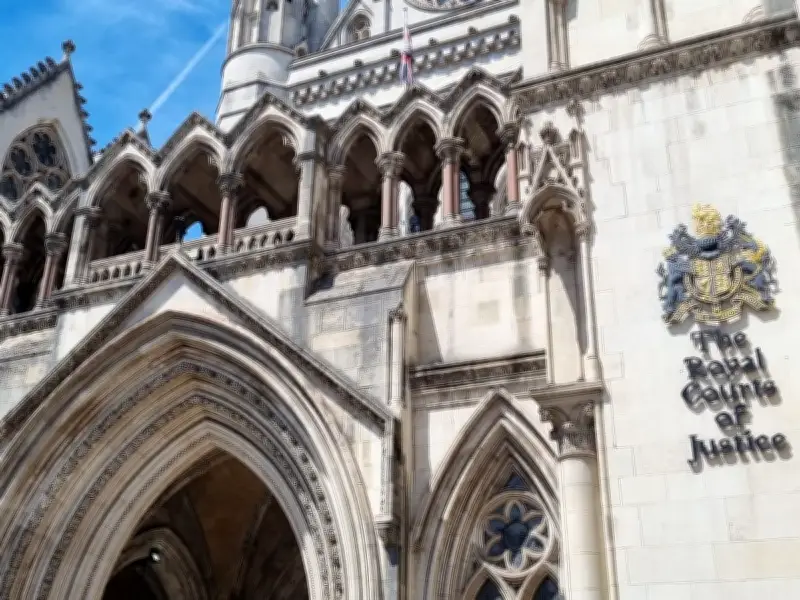
At the Royal Courts of Justice on July 7, District Judge Alan Bates granted permission for the claimant to challenge Croydon's decision to close its walk-in homelessness service on Mint Walk in March 2025. The decision was made by the council's then chief executive, Katherine Kerswell, in a meeting attended by Mayor Jason Perry.
The PILC launched the High Court challenge last year, arguing that the council breached its legal duty to homeless people by closing its walk-in service and unfairly disadvantaged digitally excluded residents by moving applications online. It also argued that the decision was made behind closed doors without a written record, breaching local authority regulations and Croydon's own constitution.
Claimant's case
The applicant's counsel, Tom Hickman KC, told the court how the claimant first attempted to engage with Croydon's homelessness services after receiving a Section 21 eviction notice last year. He argued that the claimant's learning disabilities and illiteracy meant he could not access the alternative arrangements the council had put in place, namely an online form to book housing advice appointments.
The court heard that the council offers support for people who are 'digitally excluded' by directing residents to libraries where they can use computers, seek support from staff, and speak to advice specialists at the central library near Access Croydon. However, DJ Bates criticised the lack of detail about these alternative measures, telling the court: 'They say this individual would be assisted by council officers, but it is not said who these officers will be or how they will be accessed.'
Council's response
He also said it was not clear whether library staff had been given training that 'specifically enables them to provide assistance to people seeking homelessness assistance'. Furthermore, the council's reliance on telephone appointments was questioned, with DJ Bates acknowledging that a high percentage of calls go unanswered while other residents are left waiting 'hours' on hold.
Counsel for the local authority reminded the court that the applicant was never actually homeless and argued the judicial review was academic and too narrow to apply to other situations. However, DJ Bates disagreed, saying the continued closure was still affecting residents and could affect others in a similar situation.
Wider implications
At the time, Croydon described the closure as 'a change in how the council supports people at its front door' and acknowledged that the decision was driven by high demand and financial pressures. Announcing the closure, Mayor Perry said: 'The current walk-in service means that, at this time of extreme demand, too often residents are waiting too long to get the help that they need.' He added: 'With an appointments system we can triage to make sure we are prioritising appropriately. And knowing exactly who is coming into council buildings, and when, helps to run things as efficiently as possible whilst keeping everyone safe.'
Trend across London
Croydon's decision is part of a wider trend across London. A recent investigation by King's College London found that only three of London's 33 local authorities continue to offer face-to-face drop-in services for people experiencing homelessness.

Commenting on the case, Alexandra Goldenberg of the PILC said: 'In the middle of a housing crisis, Croydon Council has closed their walk-in services. These barriers risk creating discriminatory access to homelessness services, leaving many vulnerable people unable to obtain the support to which they so desperately need and are legally entitled.'
Next steps
Permission for a judicial review was granted on four of the five grounds brought by the claimant. Croydon now has until September 7 to submit detailed grounds of defence, along with any further evidence. The claimant will then have until September 21 to respond. A date for the judicial review hearing has not yet been set.