Wendover: A Commuter Gem Balancing Rural Charm with Urban Accessibility
For those seeking an escape from London's hustle while maintaining convenient city connections, the market town of Wendover in Buckinghamshire presents a compelling option. Situated approximately 50 minutes from Marylebone via Chiltern Railways services, this settlement of around 8,500 residents combines accessibility with distinctive character.
Property Landscape and Local Heritage
The average property price in Wendover stands at approximately £591,250, representing a noticeable reduction from London's average asking price of £656,692. This differential can prove significant for households navigating financial constraints. Beyond mere affordability, the town boasts historical significance as a former residence of Only Fools and Horses icon Sir David Jason, adding to its cultural appeal.
Natural Splendour and Environmental Concerns
Wendover's positioning within the Chiltern Hills provides residents with exceptional natural surroundings, including chalk escarpments, wooded areas, and open hill country. Local landmarks such as Coombe Hill, adjacent to the Chequers Estate, and the Forestry Commission-managed Wendover Woods offer ample recreational opportunities. A tributary of the Grand Union Canal, though no longer operational for navigation, serves as a cherished nature site hosting kingfishers, egrets, and diverse wildlife.
However, this natural beauty has faced disruption from HS2 developments over the past five to six years. Peter Donne, a lifelong Wendover resident and tenant-landlord at the King and Queen pub, acknowledges the project's "terrible sort of impact on some of the immediate land," though he remains optimistic about eventual recovery.
Community Dynamics and HS2 Tensions
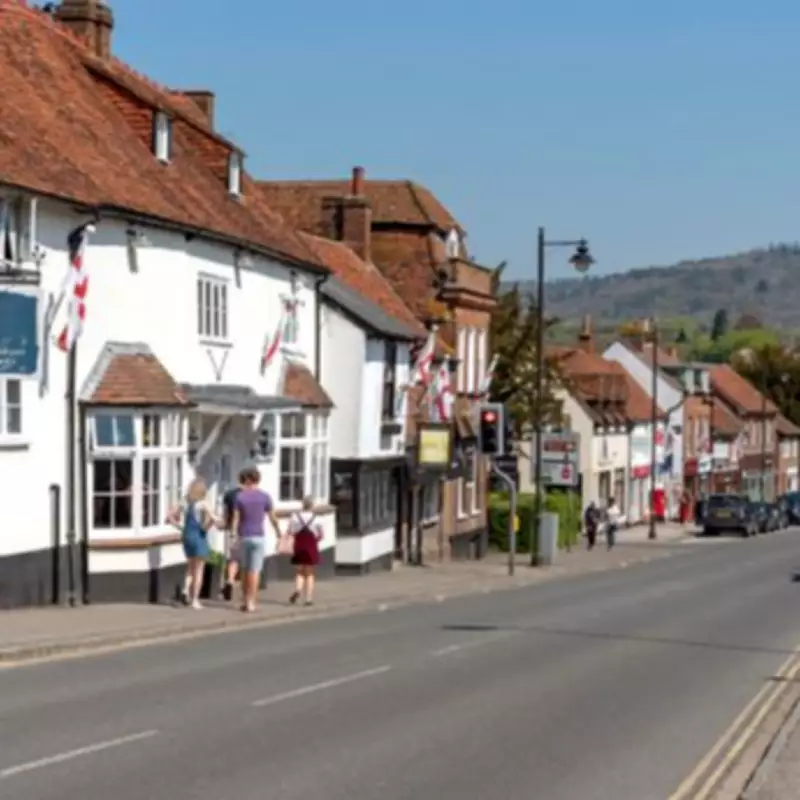
Donne describes Wendover as possessing a "good sense of community" typical of English villages, evidenced by active cricket and football teams, seven pubs hosting regular events, and nearby rugby clubs in Tring and Aylesbury. He notes the town's conservative leanings, suggesting it may not suit ardent Labour supporters seeking political alignment.
The HS2 high-speed rail project has generated substantial local opposition. Although the route doesn't pass directly through Wendover, its proximity has restricted traditional walking areas and created what Donne characterizes as "a decade of upheaval." Many residents express frustration with the disruption to cherished landscapes.
Architectural Appeal and Personal Testimonials
Suleyman Yildirim, manager of café Crumbs for eight years, praises Wendover's architectural heritage, particularly the 19th-century clock tower and traditional houses and pubs. He finds the Wendover Woods particularly rejuvenating for mental wellbeing.
Yildirim emphasizes the community's supportive nature, recalling an incident where locals offered assistance after a burglary at his café. "They are kind, helpful, and generous people," he affirms, describing Wendover residents as "very lovely, friendly people."
Balancing Progress with Preservation
Wendover represents a microcosm of contemporary commuter town challenges, where the benefits of connectivity and community coexist with tensions surrounding large-scale infrastructure projects. While HS2 promises zero-carbon travel at 225mph speeds upon completion, its construction phase continues to test local patience and environmental stewardship values.
The town's enduring appeal lies in this delicate equilibrium—offering London proximity without sacrificing rural character, maintaining historical architecture while navigating modern development pressures, and fostering community bonds even amidst divisive external projects.