Once upon a time, every German village had its own Tante Emma Laden, a family-run hub of community life where locals bought groceries and socialized. But now, staffing shortages, supermarket competition, and inflation have threatened these stores. In response, regions like Rhineland-Palatinate are piloting hybrid village stores that allow adults to shop autonomously after hours using electronic fobs, reducing labor costs and boosting profits.
Reviving Community Anchors
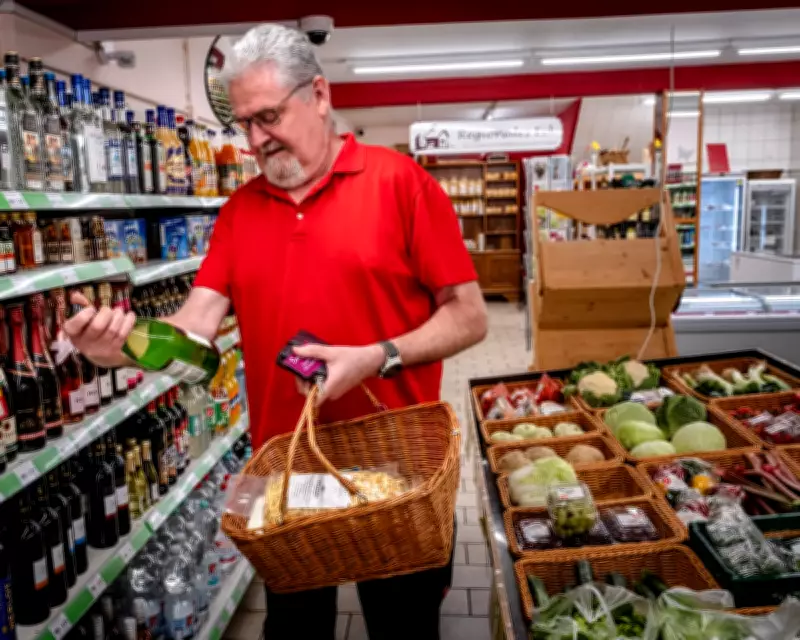
In Seibersbach, a village of 1,200, the Dorfladen store went hybrid in December. Manager Irmtraut Ehtechame, 68, faced rising costs from the Ukraine war and minimum wage hikes. “I wrote a cry for help,” she said. The hybrid model, with six security cameras, has seen no thefts. Customers like Frank Wilhelm, 66, appreciate the flexibility: “I love shopping early before everyone is up.” The store also serves as a meeting point, with retirees delivering supplies to neighbors.
Government Support and Expansion
Volker Bulitta leads a state-sponsored program that has backed four hybrid stores since 2025, with 40 more planned. The one-time cost of €30,000-€50,000 is 90% covered by the state. Profits have risen up to 20%. Cashier Tanja Behr, initially skeptical, now values the personal touch during peak hours. “Customers are delighted every day,” she said.
About 57% of Germans live in rural areas, often lacking high-speed internet and transport. Daniel Posch of Bertelsmann Foundation notes that saving village stores can restore community stability and weaken far-right support by fostering everyday democratic interactions.