Arsenal's former Highbury stadium, which stood for nearly a century before being converted into a housing development, now offers residents a unique living experience where the pitch has become a communal garden. The iconic North London ground, home to the club for 93 years, was demolished after Arsenal relocated to the Emirates Stadium in 2006.
History of Highbury
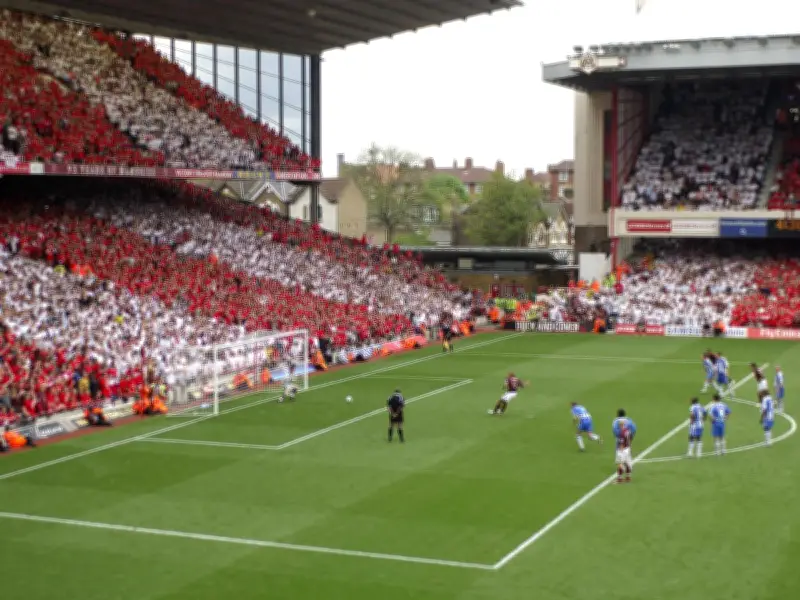
Highbury first opened on September 6, 1913, with Arsenal defeating Leicester Fosse 2-1. Over the decades, it became one of England's most famous football venues. The stadium's closing match took place on May 7, 2006, when Arsenal beat Wigan Athletic 4-2. Thierry Henry scored a hat-trick and kissed the turf after the final whistle, creating an iconic moment.
One of Highbury's greatest triumphs came during the 2003/04 season when Arsène Wenger's "Invincibles" went unbeaten in the Premier League and received a special golden trophy at the ground. Highbury also made television history in September 1937 by hosting the world's first live televised football match, a fixture against Arsenal's reserve team.

Redevelopment into Flats
The stadium underwent significant changes in the 1930s under manager Herbert Chapman, with its Art Deco East and West Stands becoming iconic. However, by the late 1990s, Arsenal had outgrown Highbury. The Taylor Report required all-seater status, reducing capacity from over 73,000 to 38,419. Expansion was impossible due to surrounding homes and the Grade II-listed East Stand.
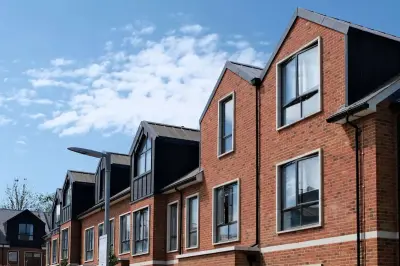
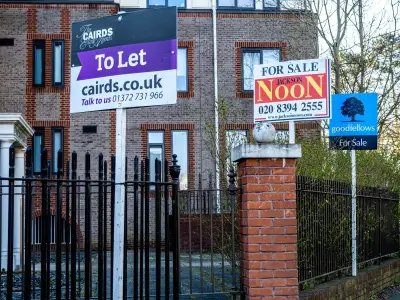
Arsenal built the 60,000-seat Emirates Stadium at Ashburton Grove, moving in for the 2006/07 season. After closure, most of Highbury was demolished, and the site became Highbury Square, opening in 2009. The North Bank and Clock End were removed, but the Art Deco facades of the East and West Stands, the "Arsenal Stadium" lettering, and the Marble Halls entrance were preserved. The former players' tunnel now serves as a walkway, and the old pitch is a spacious communal garden.