World Cup refereeing has been largely accurate, with VAR playing a crucial role in correcting on-field errors, according to former Premier League referee Chris Foy. Despite criticism from figures like Thomas Tuchel and Donald Trump, Foy argues that officials have performed well overall, with only occasional mistakes.
Key Decisions Upheld
Egypt's complaints after their loss to Argentina were unfounded, Foy believes. The disallowed Egypt goal was correct due to a foul by Marwan Attia on Lisandro Martínez during the attacking phase, involving a shirt pull and studs on Martínez's foot. The ball moved forward continuously until it entered the net, justifying the decision. Argentina's late third goal also stood correctly, as Julián Alvarez played the ball before minimal contact with Mohamed Salah that did not meet the foul threshold.
VAR Interventions
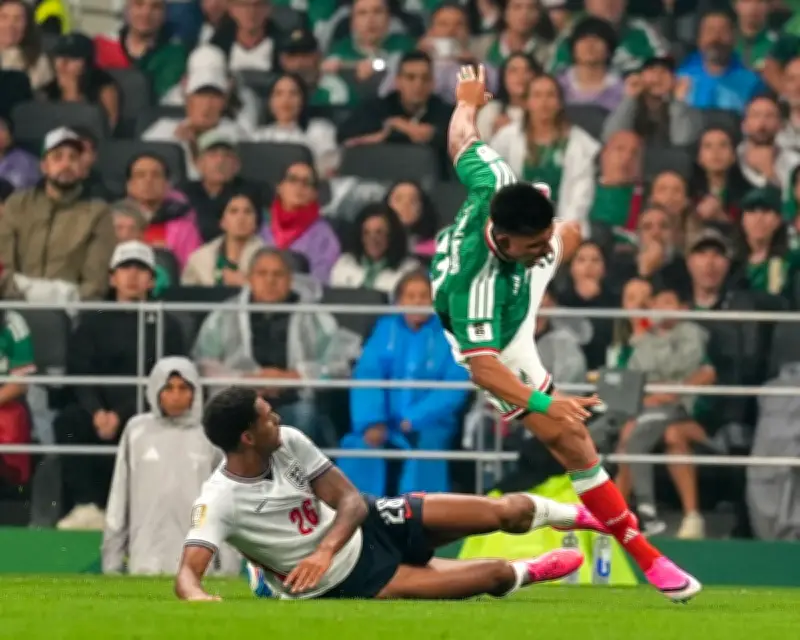
VAR's most notable intervention came in the Mexico-England match, where Jarell Quansah's tackle on Jesús Gallardo was upgraded to a red card. Foy expressed surprise that referee Alireza Faghani missed the offence initially, but VAR ensured the correct outcome. He noted that player behaviour, including feigning injury and dissent, complicated the match. England's consideration of an appeal against Quansah's red card is surprising, but Folarin Balogun's case under FIFA's Article 27 set a precedent for suspending sanctions.
Balogun and Player Safety
Balogun's red card for a challenge on Tarik Muharemovic was justified, Foy said. The tackle, though lacking malice, endangered the opponent by making contact with the calf and Achilles, causing an ankle roll. The ball was not at a playable distance, making it a clear red-card offence under the criteria of excessive force and endangering safety.
Noise from Tuchel and Trump
Tuchel's criticism of refereeing as unreliable and erratic was seen as reverse psychology by Foy, who noted that most decisions have been correct. The involvement of Donald Trump has added to the noise, but Foy stressed that referees must ignore external pressure and focus on the game. Sports psychologists help elite officials maintain focus, though Foy admitted he personally struggled to shake off bad decisions.
Red Card Increase
This World Cup has seen 13 red cards, compared to four in each of the previous two tournaments. Foy attributes this to a focus on player safety, with VAR correctly identifying missed red-card offences. However, VAR interventions have not been perfect. For instance, Vinícius Júnior's disallowed goal for Brazil against Scotland was a mistake, as minimal contact did not warrant overturning the on-field goal. Similarly, Harry Kane's penalty claim against the Democratic Republic of the Congo was correctly not given, as contact was not a clear error.
VAR and Penalty Decisions
VAR correctly awarded France a penalty after Désiré Doué was fouled by Paraguay's Diego Gómez, a decision Foy felt should have been given on the field. He criticised referee Ilgiz Tantashev for not showing any yellow cards to Paraguay players, which undermined his control of the match. FIFA's high bar for VAR intervention, similar to the Premier League, has been evident, but some decisions remain puzzling, such as Leroy Sané's goal for Germany against Ecuador, where teammate Aleksandar Pavlovic kicked Pedro Vite in the head. Foy compared it to Declan Rice's booking for a high boot, suggesting inconsistency.
Overall, Foy believes the standard of refereeing has been solid, with VAR used appropriately to correct clear errors, despite the heightened scrutiny.