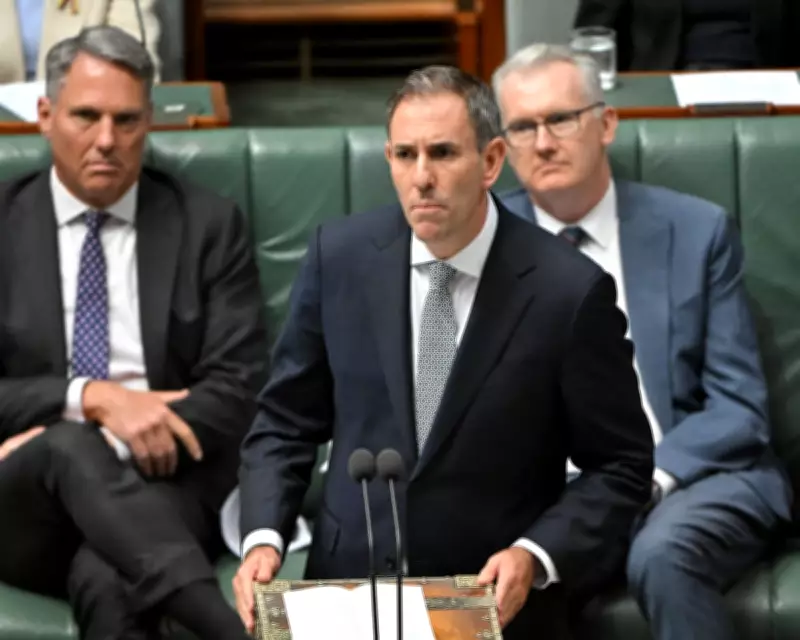
European Commission President Ursula von der Leyen has arrived in Australia for a significant visit to the federal parliament, a trip that unfolds against the backdrop of a deepening national fuel crisis. The timing of her diplomatic engagement has intensified political discussions, with the Labor government and Coalition opposition clashing over energy policies and economic management.
High-Level Diplomatic Engagement Amid Domestic Turmoil
Ursula von der Leyen's presence in Canberra marks a pivotal moment in Australia-European Union relations, focusing on trade, climate cooperation, and strategic partnerships. However, her agenda is overshadowed by domestic pressures, as Australians grapple with soaring fuel prices and supply chain disruptions. Prime Minister Anthony Albanese welcomed von der Leyen, emphasizing the importance of international collaboration in addressing global energy challenges.
Political Tensions Escalate Over Fuel Crisis
The fuel crisis has become a central issue in parliamentary debates, with Labor figures like Chris Bowen defending the government's response to energy security. In contrast, Coalition members, including Liberals such as Angus Taylor and Nationals like Matt Canavan, have criticized the administration's handling, accusing it of inadequate planning and policy failures. This partisan divide highlights the broader struggle over Australia's energy future and economic stability.

Key Figures and Their Stances
Anthony Albanese has reiterated Labor's commitment to sustainable energy solutions while addressing immediate fuel shortages. Chris Bowen, as a key minister, has outlined measures to mitigate the crisis, including potential reserves and international aid. On the opposition side, Angus Taylor has lambasted the government for what he calls a lack of foresight, while Matt Canavan has advocated for increased domestic production to reduce reliance on imports.
Broader Implications for Australian Politics
This visit underscores how international diplomacy intersects with domestic crises, influencing public perception and political narratives. The fuel crisis not only tests the Albanese government's resilience but also shapes voter sentiment ahead of future elections. As von der Leyen engages with Australian leaders, the outcomes of these discussions could impact bilateral agreements and local policy directions.
In summary, Ursula von der Leyen's parliamentary visit serves as a catalyst for heightened political discourse in Australia, with the fuel crisis amplifying tensions between Labor and the Coalition. The event highlights the complex interplay between global leadership and national challenges, setting the stage for ongoing debates on energy, economy, and governance.