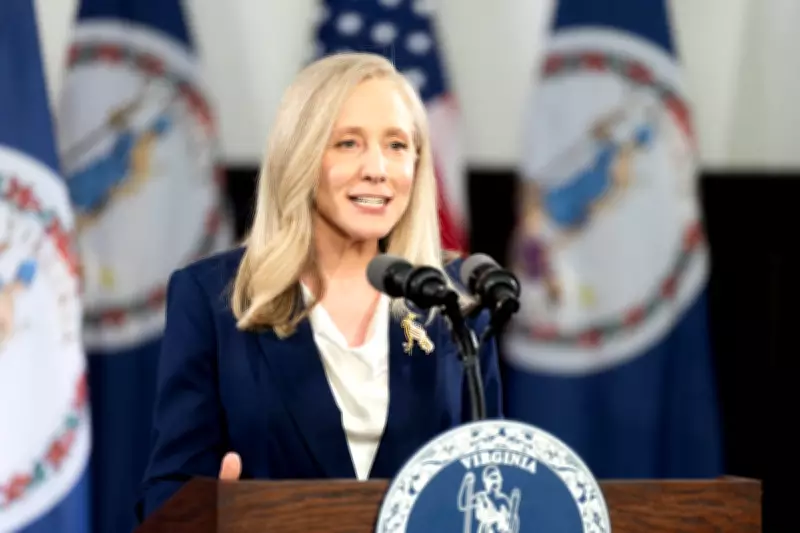
Virginia Signs National Popular Vote Bill, Joins Interstate Compact with 17 Other States
Governor Abigail Spanberger of Virginia has officially signed the National Popular Vote Interstate Compact into law, marking a significant step toward potentially transforming how U.S. presidential elections are decided. With this move, Virginia joins seventeen other states and the District of Columbia in the agreement, bringing the total number of electoral votes under the compact to 222. The ultimate goal is to reach 270 electoral votes, which represents a majority of the 538 total electoral votes in the United States.
How the National Popular Vote Interstate Compact Works
Under the terms of the National Popular Vote Interstate Compact, participating states commit to assigning their presidential electors to the candidate who wins the national popular vote, regardless of the election results within their own state borders. This compact is designed to take effect only once states representing at least 270 electoral votes have enacted the legislation. At that point, it would effectively determine the winner of the presidential contest based on the nationwide popular vote, rather than the current Electoral College system.
Currently, every state that has enacted the compact has Democratic electoral majorities, including large states such as California, New York, and Illinois. However, legislation has been introduced in several additional states that could push the total past the 270-elector threshold. These include key swing states like Arizona, Michigan, Nevada, New Hampshire, Pennsylvania, and Wisconsin, which could play a crucial role in reaching the necessary majority.

Constitutional Provisions and Legal Scrutiny
The legislation relies on two specific provisions of the U.S. Constitution, which are likely to face intense legal scrutiny if the compact ever comes into force. First, Article II, Section 1 of the Constitution authorizes each state to appoint its electors "in such manner as the legislature thereof may direct." This clause does not require states to hold a popular vote for president, giving them flexibility in how they allocate their electoral votes.
Second, Article I, Section 10, Clause 3 governs interstate compacts, allowing states to form legally binding agreements with one another. While this text typically requires states to gain congressional approval for such compacts, longstanding U.S. Supreme Court precedent holds that congressional approval is only necessary if the agreement infringes on federal power. Supporters of the National Popular Vote Interstate Compact argue that the delegation of electors is a state power, not a federal one, which could strengthen their legal position.
Public Opinion and Advocacy Efforts
A 2024 Pew Research Center poll revealed that 63% of Americans support replacing the Electoral College with a national popular vote for president, while 35% oppose such a change. This public sentiment has fueled advocacy efforts by organizations like National Popular Vote and Stand Up America.
John Koza, chairman of National Popular Vote, emphasized the ongoing state-by-state work, stating, "We'll continue our state-by-state work until the candidate who wins the most popular votes is elected president and every voter is treated equally in every presidential election."
Stand Up America highlighted historical context, noting that two of the four U.S. presidents in the 21st century—George W. Bush in 2000 and Donald Trump in 2016—lost the popular vote but won the White House through the Electoral College. Additionally, of the 60 presidential elections in U.S. history, ten others were near misses where a small number of votes in a few states could have tipped the Electoral College toward the candidate who lost the popular vote.
Christina Harvey, executive director of Stand Up America, commented, "The presidency should be won by the candidate who receives the most votes nationwide—not just the right combination of battleground states. This brings us one step closer to a system where Americans' votes for president and vice-president count equally, no matter where they live."

As Virginia's entry into the compact adds momentum to the movement, the debate over the future of presidential elections continues to evolve, with significant implications for democracy and voter equality across the United States.