The JD Vance Effect: How a US Senator's Endorsement Failed to Save Orbán
In a stunning political reversal, Hungarian voters have ousted Prime Minister Viktor Orbán after 16 years in power, despite a high-profile endorsement from US Senator JD Vance just days before the election. The historic defeat occurred on April 7, 2026, marking a significant shift in European politics that has drawn comparisons to previous failed foreign interventions in democratic processes.
From Buddy to Political Liability
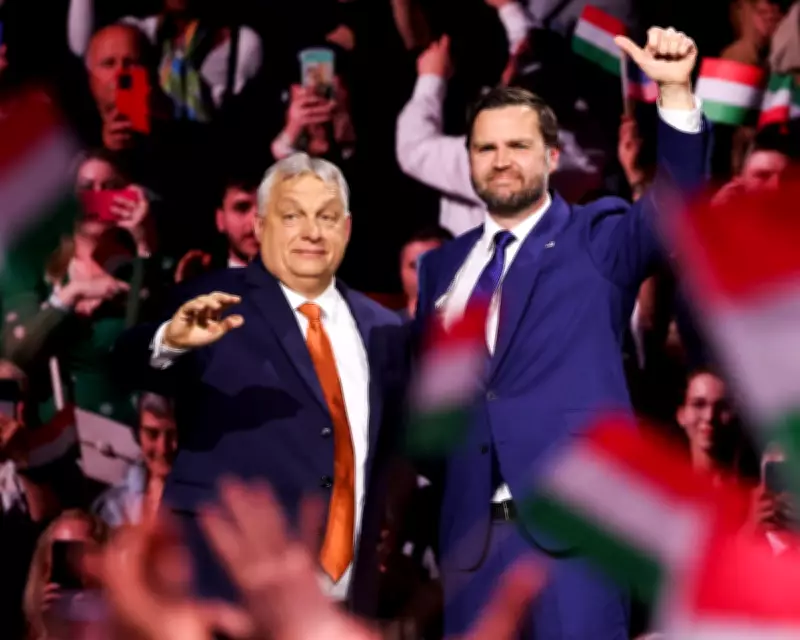
Photographs from Budapest show Vance standing alongside Orbán during what would become the prime minister's final days in office. This visual documentation has become symbolic of how international political support can sometimes backfire dramatically. Political analysts suggest that Vance's endorsement may have actually energized opposition voters rather than bolstering Orbán's base, creating an effect opposite to what was intended.
As one letter writer from East Barnet noted, "JD Vance should 'go to the back of the queue' if he thought endorsing Viktor Orbán would have a positive impact." This sentiment echoes the experience of President Barack Obama, whose Brexit referendum intervention a decade ago similarly rebounded when British voters resented external influence, even when the warnings later proved accurate.

Parallels to UK Political Dynamics
The Hungarian election results have sparked commentary about potential parallels in British politics. One correspondent from Buckinghamshire suggested, "Having seen the result of the Hungarian election, perhaps we could invite JD Vance to interfere in our next general election by speaking in support of Nigel Farage." This tongue-in-cheek proposal highlights how international political figures can become polarizing symbols in domestic elections.
Further comparisons emerged regarding the nature of political victories. A Hexham resident observed, "Here's hoping the shine doesn't come off Péter Magyar's landslide victory in Hungary as quickly as it came off Keir Starmer's in the UK." This comment reflects broader concerns about the sustainability of political mandates and how initial electoral triumphs can face rapid erosion.
Broader Cultural Reflections
The political discussion expanded into more personal territory with letters addressing bereavement and family relationships. One Merseyside writer shared a poignant discovery: "A few days before the first wedding anniversary without her, an old wedding anniversary card she had written turned up. Now that's one I'll always keep and treasure." This intimate reflection on memory and loss provided counterpoint to the grand political narratives.
Space exploration also entered the conversation, with a Bedfordshire resident questioning the Artemis II mission's lunar claims: "So these astronauts on the Artemis II mission went to the moon? In the same way that if I drove round the M25, I'd have gone to London?" This skepticism about technological achievements mirrored the political skepticism evident in the election analysis.
Finally, a Bristol correspondent offered perspective on generational happiness: "Having children may not make people happier, but having grandchildren certainly does. Play the long game!" This advice about patience and long-term perspective resonated with the political observations about electoral cycles and lasting impact.
The Lasting Impact of International Political Interventions
The Hungarian election has demonstrated that foreign endorsements in democratic processes carry significant risks. Vance's support for Orbán appears to have become a liability rather than an asset, suggesting that voters increasingly resent external interference in their national affairs. This pattern, observed previously with Obama's Brexit comments, indicates a growing resistance to international political influence in domestic elections.

As Péter Magyar assumes leadership following his landslide victory, political observers will watch closely to see whether this represents a temporary shift or a fundamental realignment in Hungarian politics. The election has also reignited discussions about the appropriate role of international figures in other countries' democratic processes, with implications for future elections across Europe and beyond.