
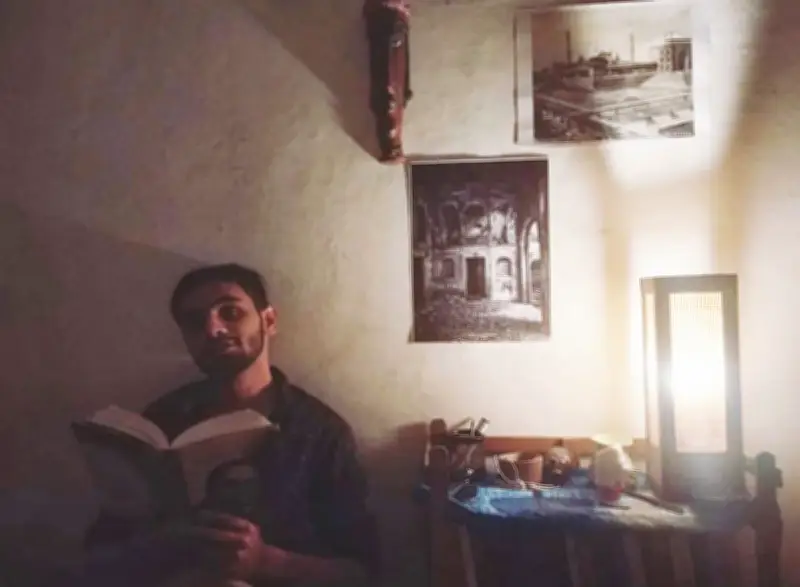
Prison is hardest at sunset. As thousands of inmates at Delhi's Tihar jail are herded into the yard until dark, prisoner 626714 feels dread rising. That inmate is Umar Khalid, who recently discovered that Fyodor Dostoevsky described the same feeling in his prison memoir over 150 years ago. 'Even Dostoevsky refers to this state of mind at sunset in his prison memoir,' Khalid said in his first interview since being jailed in 2020. 'I guess maybe it is because it starts sinking in that another day of your life has been spent in captivity.'
Khalid's rise and arrest
Khalid, 38, rose to prominence as a student activist at Jawaharlal Nehru University (JNU) and became a key figure in the 2019 anti-government protests against a citizenship law seen as discriminatory to Muslims. In September 2020, he was arrested on terrorism charges, accused of being a 'key conspirator' in Delhi's deadly religious riots and plotting 'violent regime change.' He has spent nearly six years in jail without trial, a situation widely condemned by international human rights groups.
Due to incarceration conditions, the Guardian conveyed questions via family and friends. Khalid described the challenge of maintaining sanity amid propaganda. 'When you are reduced to just an image, either negative or positive, it becomes difficult to maintain not just your humanity but even your sanity at times,' he said. 'Even those who sympathise with you ... forget that I am a human being with my own share of vulnerabilities, fears and imperfections.'
Impact of Hindu nationalism
Khalid, a Muslim and leftwing activist, criticized the BJP's Hindu nationalist agenda, accusing it of fueling persecution of Muslims. The BJP denies religious discrimination. He described his horror at the 'normalisation and glorification of hate speech and genocidal language,' adding that 'the process of India becoming a post-truth society is near complete.'
Khalid said propaganda dehumanizes him, even among fellow prisoners. 'You even hear murmurs about yourself from fellow prisoners you shared meals with, calling you a terrorist behind your back,' he said. 'Humanity is a privilege that is not granted to people like me.'
Legal case and bail denials
Khalid was arrested under India's toughest terrorism laws. While others in the same case have been granted bail, his applications have been repeatedly denied, with judges recusing themselves or delaying. He said the dashed hopes are 'quite heartbreaking.' 'Slowly hope started dying out. And without having hope to hang on to, surviving prison becomes exceptionally difficult,' he added.
He expressed frustration at the silence of opposition parties and civil society. 'This silence ... emboldens this regime to go after further dissidents,' he said. Nights bring solace; in his cell, quotes on the wall, including Bhagat Singh's 'I am that mad soul who is free even in captivity,' give him peace.




