Government borrowing costs, reflected in changes in gilt yields, edged lower on Friday after Sir Keir Starmer insisted he would not “walk away” from his role as prime minister, calming City traders.
Market Reaction to Election Results
Gilts were the best performing government bonds among G7 nations on Friday morning, with 10-year yields dropping by around eight basis points. However, analysts noted that investors are waiting for further results to fully assess political risks. UK bond traders had been on high alert ahead of the local election results, with 30-year yields climbing to highs not seen since 1998.
The 30-year gilt yield dropped by 0.1 percentage point on Friday despite initially edging higher. Ten-year gilt yields fell by eight basis points.

Despite Labour losing control of councils across the Red Wall near Manchester and giving away seats in London, traders gave the UK government some benefit of the doubt as Starmer hopes to cling to his premiership and maintain fiscal rules.
Analyst Insights
Neil Wilson, a UK strategist at Saxo Bank, said there was a chance the “political scene goes a bit woo-woo,” with bond vigilantes ready to pounce on any moves from Starmer’s challengers. “We hit 28-year highs on the 30-year earlier this week and the bond vigilantes are lurking,” he said. “Political risks associated with a Starmer or Rachel Reeves defenestration are bound up with already rising fiscal and inflationary risks for the UK economy.” He added that the drop in gilt yields reflected some traders’ feelings that the election outcome was slightly better than a “worst case doomsday scenario.”
Dan Coatsworth, head of markets at AJ Bell, said gilt yields remained at “elevated levels” after changes earlier this week. ING strategist Francesco Pesole suggested that some gains for Reform UK were seen as a “less problematic scenario” for gilts.
Election Results and Starmer's Response
By midday Friday, Labour had lost more than 250 seats while Reform UK gained nearly 400 seats across the country. Results in Wales and parts of London were expected to be more concerning for the party. Around a third of council election results had been declared.
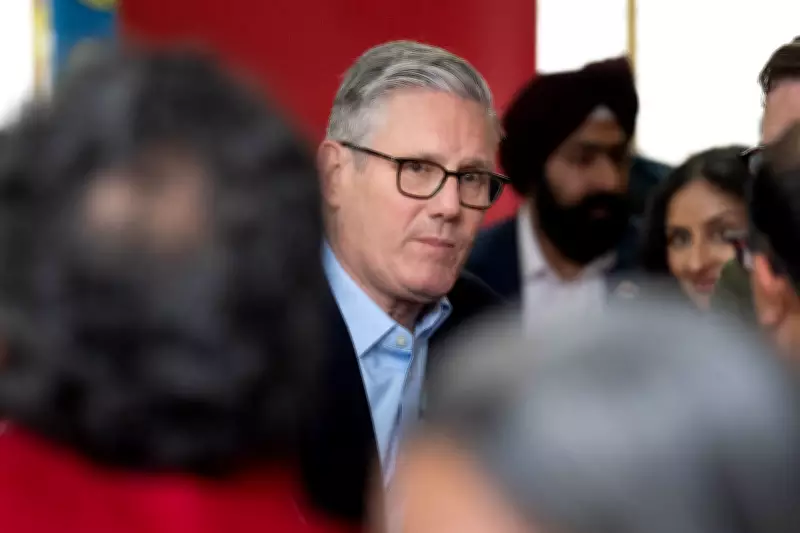
In a market-moving public appearance, Starmer admitted that the party had made “unnecessary mistakes” while in government, referencing Labour’s early days where ministers complained about public finances and the economic outlook. He said poor results were “tough” but added that “days like this don’t weaken my resolve to deliver the change that I promised.” “The results are tough, they are very tough, and there’s no sugarcoating it,” Starmer said. “We have lost brilliant Labour representatives across the country, these are people who put so much into their communities, so much into our party. And that hurts, and it should hurt, and I take responsibility.”
Leadership Challenges
Markets are monitoring the prospect of challenges to Starmer’s leadership from senior Labour figures including former deputy prime minister Angela Rayner, health secretary Wes Streeting, and Manchester mayor Andy Burnham. None of these figures spoke out about the results on Friday morning. Justice secretary David Lammy said the party should not “pass the parcel” with the leadership, while defence secretary John Healey said Starmer could “still turn it round.”
Reform UK leader Nigel Farage said the results represented a “complete reshaping of British politics in every way.”