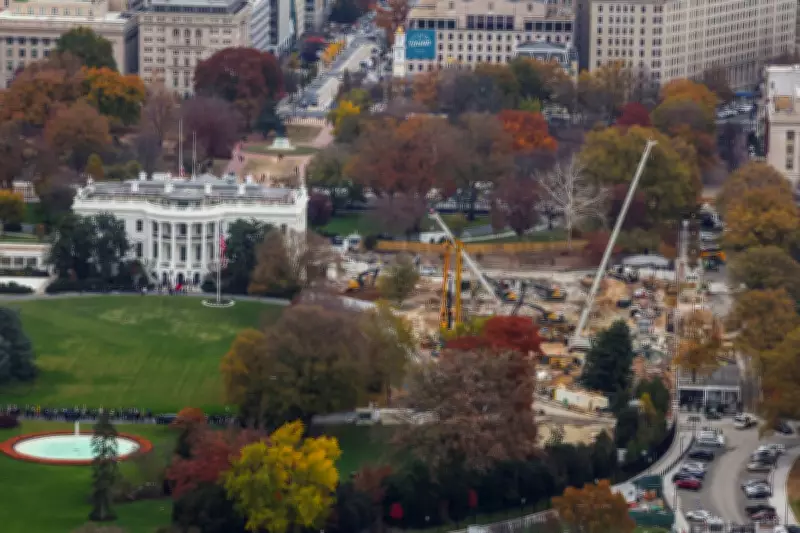
A federal appeals court has ruled that the Trump administration can resume construction of a lavish $400 million ballroom at the White House, following a legal battle over presidential authority and historic preservation. The decision overturns an earlier order that had paused most aboveground work on the controversial project.
Legal Battle Over Presidential Power
The case centers on whether President Donald Trump had the legal authority to demolish the historic East Wing of the White House and construct a new ballroom without seeking congressional approval. The National Trust for Historic Preservation filed a lawsuit challenging the administration's actions, arguing that such a significant alteration to a national landmark required legislative consent.
Court's Ruling and Conditions
A three-judge panel of the US Court of Appeals for Washington DC granted the administration a stay of an order that had aimed to halt construction. The court emphasized that this decision should not be interpreted as a final ruling on the merits of the case, but rather as a temporary measure to allow proper consideration of the emergency motion.

US District Judge Richard Leon had initially stopped construction in March due to the lack of congressional approval. However, an appeals court later ordered him to reconsider the national security implications of the pause. In response, Leon permitted below-ground construction to continue, including work on national security facilities, with the condition that such work would not determine the final above-ground dimensions of the ballroom.
National Security Concerns
The Trump administration argued vigorously that suspending construction posed serious national security risks. They claimed the delay threatened the safety of the White House, the president and his family, and presidential staff. These security concerns played a significant role in the court's decision to allow construction to proceed while the legal challenges continue.
Funding and Broader Ambitions
President Trump has maintained that the ballroom project is being financed entirely by private donors and major corporations, including technology giants like Meta, Apple, Amazon, Microsoft, Google, and defense contractor Lockheed Martin. The ballroom represents just one component of a broader initiative by the president to leave a lasting physical legacy in Washington DC.
Other elements of this ambitious plan include proposals for a 250-foot triumphal arch and a multiyear renovation of the Kennedy Center performing arts complex. These projects collectively represent one of the most significant physical transformations of the nation's capital in recent decades.
Next Steps in the Legal Process
The appeals court has scheduled the next hearing in this case for June 5th, where more substantive arguments will be heard regarding the administration's authority to proceed with the project without congressional approval. Legal experts anticipate continued debate over the balance between executive power and legislative oversight when it comes to alterations to national historic landmarks.
The ruling comes at a time when questions about presidential authority and the preservation of historic government buildings have taken center stage in American political discourse. The outcome of this case could establish important precedents for how future administrations approach similar projects involving national landmarks and historic preservation concerns.