Trump's Affordability Promises Fall Short Under Scrutiny
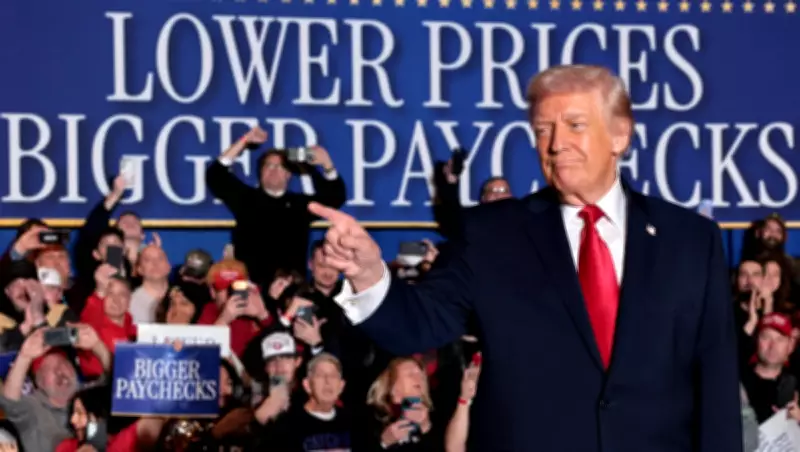
In recent months, Donald Trump has made bold assertions about tackling the affordability crisis, labeling it "a hoax" and claiming he "won affordability." However, a closer examination reveals that these statements are largely exaggerated and misleading. Trump recognizes affordability as a critical issue for Americans, but his efforts to address it have been minimal and often ineffective, serving more as political rhetoric than substantive action.
Prescription Drug Prices: TrumpRX's Limited Impact
Trump frequently touts his TrumpRX program as a solution to high prescription drug costs, promising "the world's lowest prices." Yet, this initiative covers only 61 out of thousands of medications, making it a drop in the ocean. For instance, a medium dose of Wegovy costs $349 on TrumpRX, compared to $163 in Japan and $198 in Germany. Similarly, drugs like Xigduo and Xeljanz are significantly cheaper abroad. The program primarily targets uninsured patients, leaving out 85% of Americans with drug insurance, and functions more as a government-funded advertisement for Trump than a real cost-cutting measure.
Housing and Rent: Misplaced Blame and Ineffective Policies
With housing affordability a major concern, Trump has highlighted an executive order restricting Wall Street firms from buying single-family homes. However, these firms own just 2% of such homes, so the impact on prices and rents is negligible. The real issue is a nationwide shortage of 4.7 million housing units, exacerbated by Trump's war in Iran, which has driven up mortgage rates. This policy does little to address the core problem, instead shifting focus away from the need for more housing supply.

Gasoline and Food Prices: Rising Costs Despite Claims
Trump boasts of reducing gasoline prices by rolling back environmental protections, but since the conflict with Iran began, average gas prices have surged 37% to $4.10 per gallon. On food, he claims prices have dropped, yet data shows a 3.1% increase from February 2025 to February 2026, with spikes in coffee, beef, and vegetable costs. His tariffs have further inflated prices, indicating a priority on trade policies over genuine affordability relief.
Tax and Social Security Misrepresentations
Trump asserts that overtime pay and Social Security benefits are tax-free, but these claims are false. Overtime income is subject to federal taxes on two-thirds of the pay, and only the overtime premium is exempt. For Social Security, over half of seniors still pay income taxes on their benefits, contrary to Trump's statements. While a "no tax on tips" provision benefits tipped workers, it applies to just 1.7% of the workforce, offering little help to most Americans.
Trump Accounts and Healthcare: Skewed Benefits
The Trump Accounts program provides a $1,000 seed deposit for newborns and allows tax-deferred savings up to $5,000 annually. This benefits wealthy families who can afford contributions but offers minimal aid to low-income households living paycheck to paycheck. Additionally, Trump's push to end Obamacare subsidies has led to a 20% increase in healthcare premiums for over 20 million Americans, and his budget cuts threaten heating and cooling assistance for 6 million low-income families.
Conclusion: The Reality Behind the Rhetoric
Trump's affordability initiatives, such as TrumpRX and housing orders, have limited effects and often mislead the public. With inflation projected to rise above 4% due to his policies, these efforts seem designed more for political gain than economic improvement. Americans should critically evaluate these claims rather than being swayed by Trump's salesmanship, as the data shows his promises do not match reality.