Former US President Donald Trump has issued a stark warning, pledging to terminate crucial federal food assistance for residents of states that defy his administration's agenda should he win the 2024 election. The threat, made during a campaign rally, specifically targets Democratic-led states and has ignited a fierce political and legal firestorm.
The Campaign Pledge and Legal Precedent
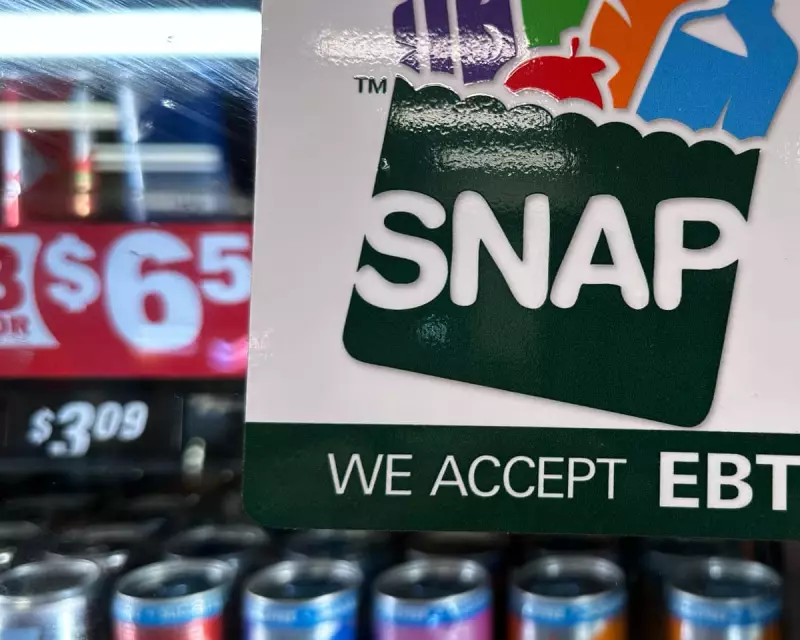
In a move that has sent shockwaves through social policy circles, Trump declared his intention to withhold Supplemental Nutrition Assistance Program (SNAP) funds from states opposing federal directives. This proposal directly challenges the established framework of the programme, which is designed as an entitlement based on individual need, not a political bargaining tool.
The statement builds upon a contentious precedent. During his first term, the Trump administration attempted to impose stricter work requirements for SNAP, a move that was ultimately blocked by federal courts. Legal experts are now questioning the constitutionality of his latest threat, suggesting it may violate principles that prevent the federal government from coercing states through conditional spending.

Immediate Backlash and Political Fallout
The reaction from Democratic governors and advocacy groups was swift and severe. Officials from states like California and New York condemned the proposal as a cruel and unlawful act of political retribution that would punish vulnerable citizens, including children, the elderly, and low-income families.
Analysts warn that such an action could affect millions of Americans, destabilising household budgets and increasing demand on already strained local food banks and charitable networks. The threat has immediately become a central flashpoint in the ongoing presidential campaign, framing a stark contrast in social policy visions between the two major parties.
A Looming Constitutional Showdown
Beyond the immediate political sparring, constitutional scholars are preparing for a potential legal battle of historic proportions. The core question is whether the executive branch possesses the authority to unilaterally sever nutrition benefits to entire states based on political disagreement with their leadership.
Previous Supreme Court rulings have set limits on the federal government's power to attach conditions to funding, requiring them to be related to the programme's goals and not unduly coercive. Critics argue that Trump's threat fails both tests, representing an unprecedented use of welfare policy as a political weapon.
The outcome of any such legal challenge could redefine the relationship between federal authority and state autonomy for generations, setting a new precedent for how social safety net programmes are administered.
What Happens Next?
The immediate impact of Trump's statement is political, galvanising both his base and his opponents. However, its practical realisation hinges entirely on the result of the November 2024 election. A Trump victory would likely trigger an immediate attempt to draft and implement the policy, leading to certain and rapid litigation from affected states.
Congressional Democrats have vowed to fight any such measure through legislative and legal channels, promising a protracted governmental stalemate. Meanwhile, state officials are reportedly reviewing contingency plans and legal strategies to protect their residents' access to essential nutrition assistance, signalling a nation bracing for a profound constitutional and humanitarian clash.