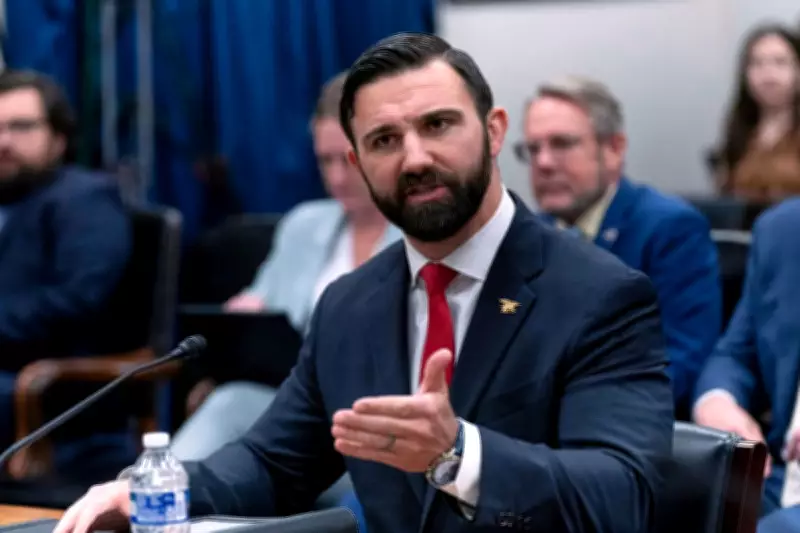
President Donald Trump has renominated Cameron Hamilton to serve as the administrator of the Federal Emergency Management Agency (FEMA), a decision that is likely to reignite debates over the agency's role and priorities. Hamilton, a former Navy SEAL and Trump administration official, previously held the position in an acting capacity. His nomination has drawn both support and criticism, with proponents praising his leadership and detractors questioning his experience in disaster management.
Background on Cameron Hamilton
Cameron Hamilton served as acting FEMA administrator during the final months of Trump's first term. He has been a vocal advocate for restructuring the agency, emphasizing a greater focus on state and local preparedness rather than federal response. His background includes service as a Navy SEAL and roles in the White House Office of American Innovation. Critics argue that his lack of traditional emergency management experience could hinder FEMA's effectiveness during natural disasters.
Reactions to the Renomination
The renomination has elicited mixed reactions. Supporters highlight Hamilton's commitment to reducing bureaucratic inefficiencies and his focus on empowering local communities. Senator John Barrasso (R-WY) stated, "Cameron Hamilton has the vision and leadership to modernize FEMA and ensure it serves the American people effectively." Conversely, Democratic lawmakers and disaster response experts have expressed concerns. Representative Bennie Thompson (D-MS), ranking member of the House Homeland Security Committee, said, "Mr. Hamilton's lack of experience in emergency management is deeply troubling, especially as climate change increases the frequency and severity of disasters."

Implications for FEMA's Future
If confirmed, Hamilton would lead an agency that has faced challenges in recent years, including criticism over its response to Hurricane Maria and the COVID-19 pandemic. His approach could shift FEMA's priorities toward mitigation and preparedness, potentially reducing the federal role in disaster response. This aligns with Trump administration policies that have sought to limit federal intervention and increase state responsibility.
- Disaster Response: Hamilton has proposed reforms to streamline disaster declarations and reduce federal spending on recovery efforts.
- Climate Change: His nomination comes as scientists warn that climate change is exacerbating natural disasters, raising questions about FEMA's capacity to adapt.
- Bipartisan Support: While some Republicans back Hamilton, others remain cautious, and Democratic opposition could complicate the confirmation process.
Next Steps
The Senate Homeland Security and Governmental Affairs Committee will hold confirmation hearings in the coming weeks. Hamilton is expected to face tough questioning from Democrats regarding his qualifications and policy plans. The full Senate will then vote on his nomination. With a narrow Republican majority, the outcome remains uncertain.
In summary, Trump's renomination of Cameron Hamilton to lead FEMA represents a significant moment for the agency. Whether Hamilton's vision for a leaner, more state-focused FEMA will prevail depends on the Senate's decision and the evolving nature of disaster threats in the United States.