The Trump Administration's Confrontation with the Pope
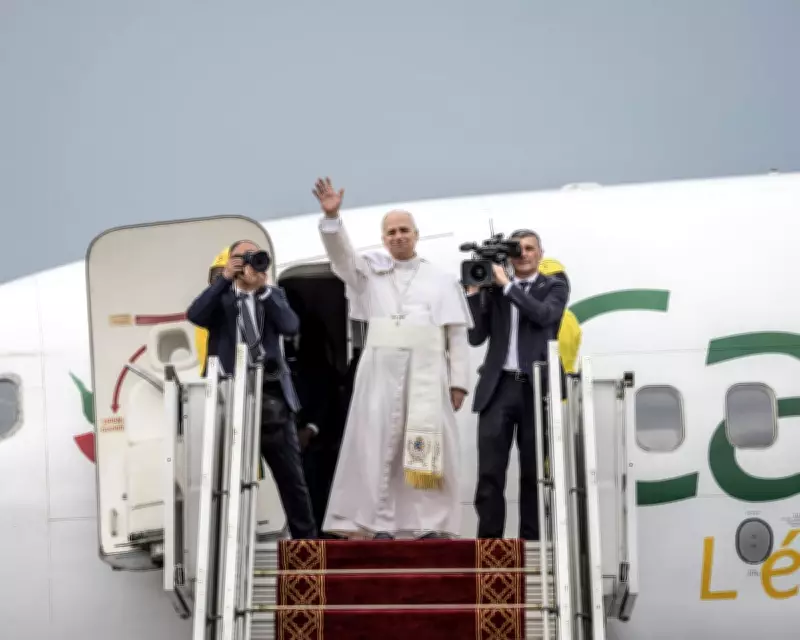
The Trump administration has engaged in a public dispute with Pope Leo XIV, turning religious discourse into a political battleground. This conflict began when the pope, speaking at the Vatican, criticized war and the "delusion of omnipotence" without naming specific leaders. Despite the lack of direct accusation, President Donald Trump and Vice President JD Vance responded aggressively, with Trump labeling the pope "WEAK on crime" and Vance advising him to focus on "matters of morality."
Religion as a Political Instrument
This exchange underscores how religion functions in American politics, not merely as a spiritual guide but as a mechanism for influence and control. The administration's reaction reveals a selective interpretation of morality, where issues like abortion and gender-affirming care are prioritized, while state violence and military actions are often dismissed as political necessities rather than moral concerns. For many Republicans, morality appears to align with restrictive social policies, whereas war and aggression are treated as inevitable exercises of power.
The pope's subsequent remarks, describing the world as "ravaged by a handful of tyrants," further fueled the tension. Rather than deflecting the criticism, the Trump administration embraced the confrontation, mirroring the intensity of a social media feud. This approach highlights a broader trend where religious rhetoric is used to justify actions, offering a veneer of righteousness to policies that may lack ethical grounding.

The Impact on Public Perception and Policy
Polls indicate that Catholicism remains popular in the United States, with approximately 53 million adherents, compared to figures like influencer Logan Paul's 27 million Instagram followers. However, Trump's electoral base of around 77 million votes in the last presidential election suggests a confidence in challenging religious authority. Yet, as public support for the administration's policies wanes, particularly regarding war, the political utility of religion may be tested.
In a notable move, the federal government canceled a contract with Catholic Charities in Miami, which had administered $11 million in aid for migrant children. Officials cited the success of Trump's immigration policies as rendering the partnership unnecessary, a claim met with skepticism. This decision reflects a shift away from charitable actions toward retributive measures, emphasizing dominance over compassion.
The Broader Implications for Society
While some reports suggest a resurgence of religion among younger generations, such as Generation Z, evidence often proves unreliable, with fraudulent polls undermining these claims. In reality, religion's growth seems concentrated in political spheres, where it serves as a shield for controversial decisions rather than fostering community or selflessness. The administration's actions demonstrate how spiritual dogma can be co-opted to legitimize behavior that contradicts core religious values like peace and charity.
As the feud continues, it raises questions about whether society will embrace genuine virtue or merely performative religiosity. In a time when moral clarity is scarce, the need for authentic spiritual guidance is evident, but the willingness to heed it remains uncertain. The Trump-Pope clash ultimately reveals that in American politics, religion is less about faith and more about power, with morality often redefined to suit political agendas.