Trump and Netanyahu's Iran War Promises: Overhyped Reality and Global Fallout
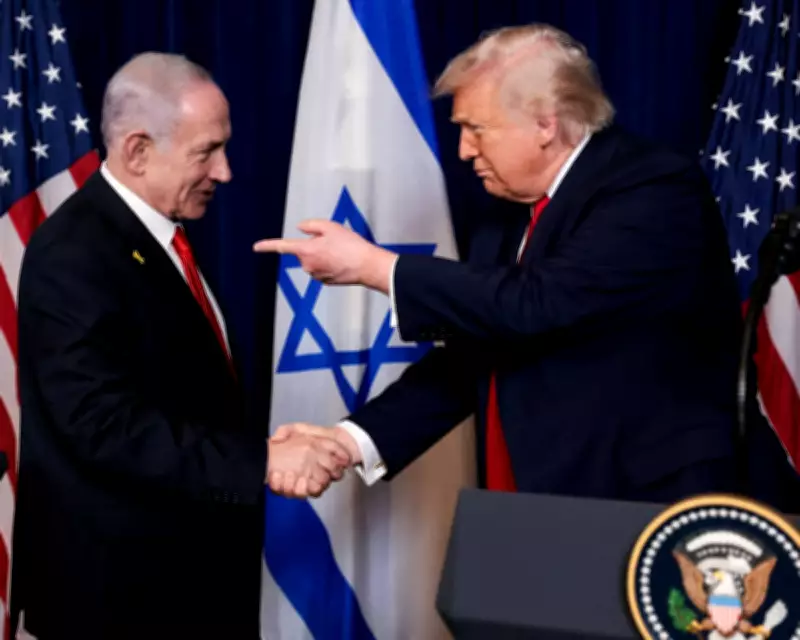
At a press conference at Mar-a-Lago on December 29 last year, former US President Donald Trump and Israeli Prime Minister Benjamin Netanyahu presented a united front on Iran. Trump echoed Netanyahu's talking points, stating, "Now I hear that Iran is trying to build up again. Then we are going to have to knock them down. We'll knock the hell out of them. But hopefully, that's not happening." This meeting marked a pivotal moment as Netanyahu sought US support for a broader conflict against Tehran.
The Pitch for an 'Easy' War
Netanyahu arrived with a strategic ask, backed by months of restocking air defence missiles after a 12-day conflict in June. He proposed a short campaign to topple Iran's fragile regime, leveraging internal protests and Mossad assessments. According to reports, Netanyahu dangled incentives, including the rare Israel Prize for Trump and the promise of reducing Israel's reliance on US military aid. He suggested that defeating Iran would allow Israel to wean itself off massive US support, appealing to Trump's transactional nature.
Multiple accounts indicate that Netanyahu and Israeli military planners were fully invested in pitching an easy war. On February 28, the first day of the conflict, unnamed Israeli officials briefed that the Iranian threat would taper off within days. Another report claimed stockpiles were prepared for a war lasting three weeks at most. However, the reality has proven far more complex and protracted.

Broken Promises and Expanding Conflicts
Since the war began, Netanyahu's promises have unraveled. In Gaza, despite a horrific campaign, Hamas persists. In Lebanon, Hezbollah retains rocket capabilities, undermining claims of defeat. In Iran, the killing of Supreme Leader Ali Khamenei has not led to quick regime change but rather consolidation around the Islamic Revolutionary Guards Corps. This pattern of ephemeral victories highlights the hubris in Netanyahu's approach.
Even among Trump administration officials, there is a perception that Netanyahu overpromised. Axios reported that Netanyahu sold the war as "easy" and likely to result in regime change, a view challenged by Vice-President JD Vance in a testy conversation. Others, like former US Ambassador Daniel C Kurtzer, argue Trump was a "willing and full partner," risk-ready and caught up in an aura of military invincibility.
Global Consequences and Diplomatic Strain
As the war enters its second month, with no end in sight, global consequences are mounting. The closure of the Strait of Hormuz has shocked the global economy, costing billions and straining advanced US weapons inventories. The conflict has undermined NATO, potentially emboldening China, Russia, and North Korea. Domestically, support for Israel is declining, with Gallup surveys showing Americans more sympathetic to Palestinians than Israelis for the first time since 2001.
Diplomatically, Netanyahu's war threatens Israel's detente with Gulf states under the Trump-mediated Abraham Accords. Raphael Cohen of the Rand thinktank notes that Arab states may blame Israel for being thrust into an unwanted war. French President Emmanuel Macron has criticized military actions as unsustainable, calling for diplomatic frameworks to address Iran's nuclear programme long-term.
Long-Term Implications for US-Israel Relations
The fallout extends to US-Israel relations, with polls indicating declining support across political spectrums, especially among Democrats and young voters. A J Street survey found 60% of Jewish voters oppose the military action against Iran, and 58% believe it weakens the US. Rahm Emanuel, former US ambassador to Japan, suggests this could end Israel's unique beneficiary status for US military assistance, placing it "among countries" with standard restrictions.
In summary, Netanyahu's pitch of an easy war on Iran has led to a prolonged conflict with far-reaching global and diplomatic repercussions, challenging the perceptions and promises that initially drove US involvement.