Trump Invokes Neville Chamberlain in Latest Attack on Starmer's Iran Policy
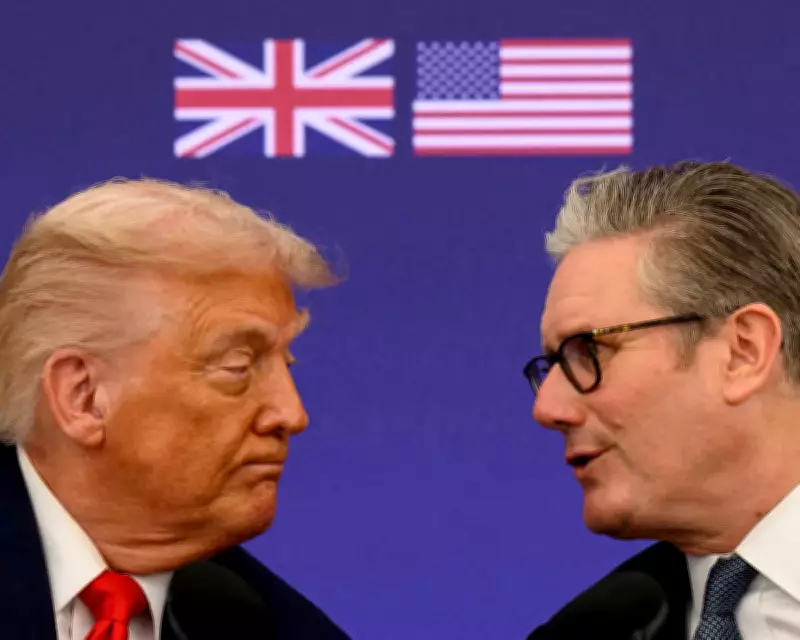
In a striking escalation of rhetoric, former US President Donald Trump has drawn a direct comparison between UK Prime Minister Keir Starmer and Neville Chamberlain, the British leader infamous for his policy of appeasement toward Nazi Germany before World War II. The comments came during an Easter Monday event at the White House, where Trump expressed frustration over Starmer's continued refusal to endorse US-Israeli military actions against Iran.
Historical Parallels and Political Insults
Trump told reporters that the United Kingdom had "a long way to go," before adding pointedly: "We won't want another Neville Chamberlain, do we agree? We don't want Neville Chamberlain." This reference is particularly loaded in political discourse, as Chamberlain is routinely cited by modern politicians as a cautionary example against failing to confront aggressive regimes. The comparison underscores Trump's apparent view that Starmer is adopting a similarly weak stance by not backing offensive operations in the ongoing Middle East conflict, now entering its sixth week.
The former president's remarks highlight a significant deterioration in his relationship with Starmer, whom he once approached with cordiality. Instead, Trump has increasingly resorted to mockery and disparagement. During an Easter lunch speech at the White House, footage of which emerged recently, Trump impersonated Starmer in what many observers described as a demeaning manner, claiming the prime minister would need to "ask my team" about deploying UK aircraft carriers to support the conflict.

UK Government Response and Clarifications
UK officials have been quick to counter Trump's assertions, stating unequivocally that the United States never formally requested the vessels and that the UK had not offered them. Government sources have pointed to Starmer's consistent public statements, including at a press conference last week, emphasizing that his administration will always prioritize British national interests above external pressures.
Despite Trump's provocations, Starmer has maintained a measured response, refusing to be drawn into direct confrontation. He has reiterated his position that the UK will not participate in offensive military operations, stating he will adhere to this policy "whatever the pressure and the noise." This stance aligns with the UK's current military actions in the region, which have been defensive in nature. The Ministry of Defence confirmed that RAF gunners successfully intercepted "multiple" Iranian drones overnight on Sunday, underscoring the UK's role in protective measures rather than offensive strikes.
Broader International Reactions and Escalating Tensions
Trump's comments are part of a pattern of increasingly erratic rhetoric during the Iran conflict. In an expletive-laden social media post on Easter Sunday, he demanded that Iran open the Strait of Hormuz to all vessels by Tuesday, threatening to target civilian infrastructure in Iran if compliance was not forthcoming—a move that could constitute a war crime under international law. When questioned about these statements, UK Education Secretary Bridget Phillipson distanced the British government from Trump's approach, noting: "It is not language or an approach that this government would be taking."
Phillipson further elaborated that the UK's strategy, as articulated by Starmer, remains firmly opposed to involvement in offensive actions. This position has garnered support from other global leaders who have grown weary of Trump's volatile statements. French President Emmanuel Macron, responding to Trump's recent musings about withdrawing the US from NATO, expressed open annoyance, urging seriousness and consistency in diplomatic communications.
The ongoing dispute between Trump and Starmer reflects deeper tensions in US-UK relations, particularly regarding foreign policy and military intervention. As the conflict in the Middle East persists, the dynamic between these two leaders will likely continue to evolve, with Starmer's commitment to national sovereignty and defensive postures standing in stark contrast to Trump's more aggressive, confrontational style.