Trump Defends High Gas Prices During Iran War, Emphasizes US Oil Profits
In a controversial statement, President Donald Trump has downplayed the economic impact of rising gas prices amid the ongoing US-Israel military conflict with Iran. On Thursday, Trump took to social media to assert that "when oil prices go up, we make a lot of money," directly addressing concerns over escalating fuel costs as the war intensifies.
Gas Prices Spike to Record Levels Following Military Operations
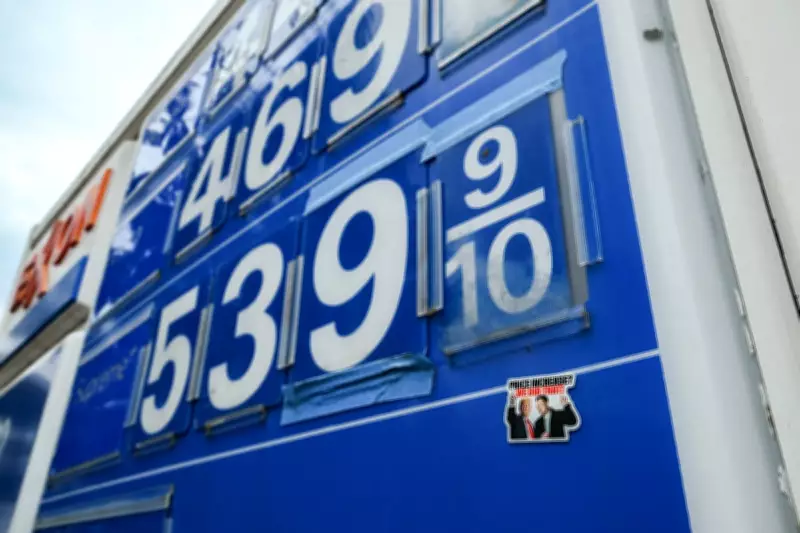
The American Automobile Association reports that the average price for a gallon of gas has surged to $3.60, marking the most significant increase since the early days of Russia's invasion of Ukraine in 2022. This spike comes just one week after the commencement of joint US-Israeli operations against Iran, which have disrupted global oil markets.
Crude oil prices climbed above $100 per barrel on Thursday, driven by Iranian attacks on oil facilities across the Middle East. Despite coordinated releases from global petroleum reserves aimed at stabilizing markets, costs at the pump continue to rise sharply, putting financial pressure on American consumers.

Trump's Focus on Strategic Objectives Over Economic Concerns
In his detailed post on Truth Social, Trump highlighted the United States' position as the world's largest oil producer, suggesting that higher prices ultimately benefit the national economy. However, he quickly pivoted to broader geopolitical goals, stating his primary objective is to prevent Iran from obtaining nuclear weapons and destabilizing the Middle East and the world.
"The United States is the largest Oil Producer in the World, by far, so when oil prices go up, we make a lot of money," Trump wrote. "BUT, of far greater interest and importance to me, as President, is stopping an evil Empire, Iran, from having Nuclear Weapons, and destroying the Middle East and, indeed, the World. I won't ever let that happen!"
Political Fallout and Democratic Criticism
The rising gas prices present a significant political challenge for Trump as primary elections begin ahead of the November midterms. Republican allies are defending narrow majorities in both the Senate and House of Representatives, with economic issues taking center stage in voter concerns.
Democrats have seized on the cost-of-living crisis, criticizing Trump for pursuing military actions that contradict his campaign promises to lower prices. Virginia Congressman Don Beyer responded sharply to Trump's comments, urging an immediate end to the conflict to alleviate financial burdens on Americans.
"President Trump should end this stupid war now and bring down gas prices for the American people," Beyer stated. "Fortunately for his big oil donors though, Trump doesn't mind your pain at the pump since they are going to 'make a lot of money.'"
Global Market Dynamics and Domestic Implications
While the US leads in crude oil production, global market forces and international supply chains heavily influence domestic prices. Some refined products originate from overseas facilities, complicating efforts to insulate American consumers from geopolitical shocks.
The conflict has already generated substantial revenue for other nations, with data suggesting Russia earned approximately €6 billion from fossil fuel exports since the war's onset. This economic dimension adds layers to the ongoing debate about the war's broader financial consequences.
As tensions persist, the administration faces mounting pressure to address both strategic objectives and economic realities, balancing national security priorities with the everyday financial struggles of American households.