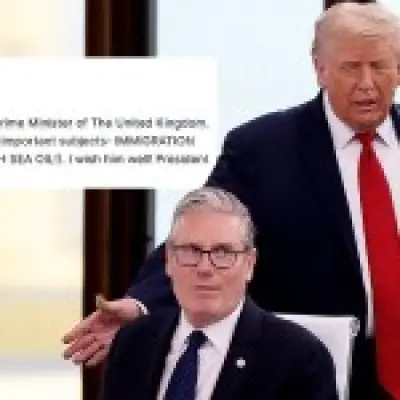
The Trump administration unveiled a series of executive orders on Monday, focusing on deregulation and energy independence. The moves are part of a broader strategy to boost the economy ahead of the 2026 midterm elections.
Executive Orders Target Energy and Regulation
President Donald Trump signed three executive orders aimed at expanding fossil fuel production and reducing federal oversight. One order directs the Environmental Protection Agency to revise emissions standards for power plants, while another streamlines permitting for oil and gas drilling on federal lands. According to White House press secretary Karoline Leavitt, these actions will 'unleash American energy dominance and create thousands of jobs.'
The orders also include a provision to review and potentially rescind several Biden-era climate regulations. Environmental groups have vowed to challenge the orders in court, arguing they ignore scientific consensus on climate change. 'This is a dangerous step backward,' said Sierra Club executive director Ben Jealous. 'The administration is prioritizing polluters over public health.'

Economic Impact and Political Reactions
The announcements come as the administration touts recent job growth figures. The Labor Department reported that the economy added 272,000 jobs in May, exceeding expectations. However, critics note that inflation remains a concern, with consumer prices rising 3.3% year-over-year. Senate Majority Leader Chuck Schumer called the executive orders a 'distraction from the real issues facing working families.'
On Capitol Hill, Republican leaders praised the moves. House Speaker Mike Johnson said the orders would 'restore common-sense energy policy' and criticized Democrats for opposing them. The debate is expected to intensify as the midterm campaigns heat up.
International Reactions and Trade Policy
Foreign leaders have reacted cautiously to the new US energy policies. European Union officials expressed concern about potential impacts on global climate goals. Meanwhile, the administration announced it would continue trade negotiations with China, with a focus on reducing the trade deficit. 'We are committed to fair and reciprocal trade,' said Commerce Secretary Howard Lutnick.
The developments mark a significant shift in US policy direction, with implications for both domestic and international affairs. As the administration moves forward, all eyes will be on the upcoming elections and the public's response to these changes.