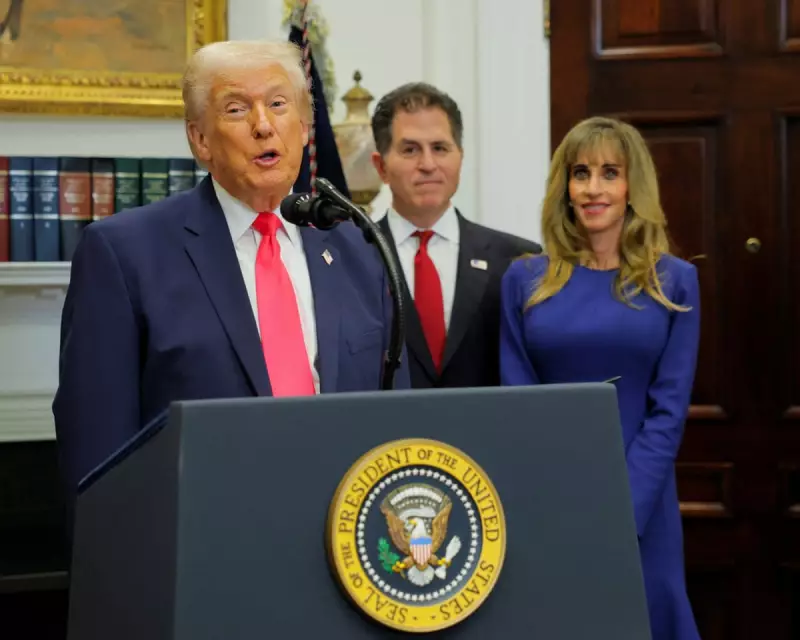
A monumental $6.25 billion philanthropic pledge has thrust a controversial new policy, known as "Trump accounts", into the spotlight. The donation from tech billionaire Michael Dell and his wife Susan, announced at a White House press conference on Tuesday, is earmarked for individual investment accounts for millions of American children, but has prompted a wave of scrutiny over how the scheme will function and who it will truly benefit.
What Are Trump Accounts and Who is Eligible?
The creation of these accounts was legislated as part of former President Donald Trump's expansive tax and spending bill, signed into law in July. Every child born between 1 January 2025 and 31 December 2028 is eligible for an initial $1,000 deposit from the US government. More broadly, any child under 18 with a Social Security number can open an account, though the system will not launch until 4 July 2026.
Parents or guardians must set up and manage the accounts. Annual contributions from family, friends, and employers are capped at $5,000 per child, with the government's $1,000 seed money not counting toward that limit. Philanthropists, charities, and certain government entities can contribute without restriction.

The Dell Donation and How the Money Grows
The landmark $6.25bn gift from Michael and Susan Dell is specifically targeted. The funds will be distributed to children living in zip codes where the median household income is below $150,000 annually, with each qualifying child receiving approximately $250.
Money within a Trump account will be automatically invested in a diversified, low-cost stock index fund that tracks the overall market, managed by private financial firms. However, access to the funds is heavily restricted. Withdrawals are only permitted once the child turns 18, and even then, the account functions similarly to a retirement fund, meaning early withdrawals for non-qualified expenses incur significant tax penalties.
The White House noted exceptions for higher education expenses or a first home purchase. Financial services firm Charles Schwab has published further guidance on the tax implications.
Criticism and Impact on Child Poverty
Despite the headline-grabbing donation, experts and critics have raised serious concerns about the policy's broader impact. The Trump administration's accompanying tax bill included sweeping cuts to vital social programmes like Medicaid and the Supplemental Nutrition Assistance Program (SNAP), commonly known as food stamps.
Analysts fear these cuts could devastate low-income families, leaving them unable to cover basic needs, let alone contribute extra funds to maximise their child's Trump account investment.
"As currently structured, these accounts will just become another tax shelter for the wealthiest," said Amy Matsui of the National Women's Law Center in a statement. She argued that struggling families would be "hard pressed to find the extra money that could turn the seed money into a meaningful investment."
Further criticism centres on the accounts being perceived as a pronatalist incentive, encouraging larger families, and on the exclusion of many children in immigrant families from benefiting due to the Social Security number requirement. Consequently, the scheme is viewed by many as offering little immediate help in lifting American children out of poverty.