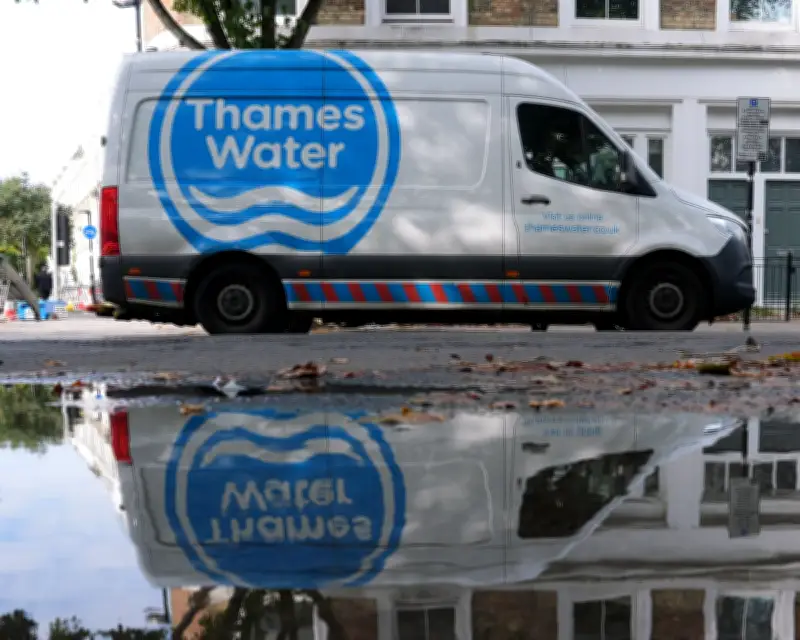
The UK environment secretary has formally objected to a £10bn rescue proposal for Thames Water, arguing it would place an 'undue burden' on consumers and moving the troubled utility closer to public ownership.
Government Raises Concerns
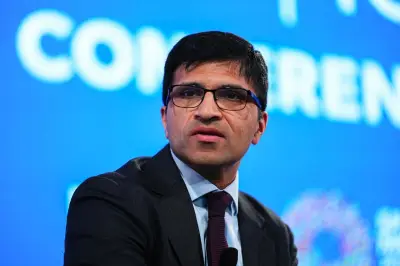
Emma Reynolds wrote to Iain Coucher, chair of regulator Ofwat, on Monday to express concerns about the plan for Britain's largest water company. She stated that customers would lose out under the proposed deal.
Ofwat had been close to an agreement where Thames Water would avoid new fines over sewage leaks for four years in exchange for a cash injection from creditors, who would take over the company.

Reynolds said on Tuesday: 'Thames Water customers have been let down for far too long, with 15 years of underperformance, increasing serious pollution and customers left to pick up the bill.'
Ofwat confirmed it was reviewing both Reynolds' letter and the rescue consortium's plans 'to assess whether they deliver a turnaround in the company's operational performance and strengthen its financial resilience to the benefit of customers and the environment'.
Political Reactions
Speaking in the House of Commons, Reynolds expressed doubt that the 'long-term resilience' of water systems would be adequately protected: 'I do not believe that the current proposal goes far enough to protect customers and the environment.' She highlighted three specific concerns: unfair costs to customers, delays to vital infrastructure investments, and delays to environmental improvements.
Conservative shadow Victoria Atkins warned the government against scaring off potential investors.
On Tuesday, 107 MPs, including 42 from Labour, signed an open letter calling on Ofwat and Reynolds to reject the creditors' deal and instead place Thames into a special administration regime—a form of temporary nationalisation.
Earlier this month, Andy Burnham said Thames Water should be nationalised, stating that public ownership would 'absolutely be an option' if he becomes Labour leader. Burnham, the party's candidate in Thursday's Makerfield byelection, had previously called for 'greater public control' over water companies.
Company Background
Thames Water serves about 16 million people in London and the south of England. Since its privatisation under Margaret Thatcher, successive private equity owners have loaded the company with £17.6bn of debt, bringing it close to collapse.
If the government approves the rescue deal, Thames would be partly controlled by Elliott Investment Management, run by billionaire Trump donor and hedge funder Paul Singer. Elliott is a leading creditor in the London + Valley Water consortium, which also includes Silver Point Capital, BlackRock, and M&G.
Consortium Response
The consortium pushed back against Reynolds' remarks. A spokesperson said: 'We are confident that our plan is by far the fastest route to improve outcomes for customers and the environment, without any government funding or any cost to taxpayers. All other routes offer significantly worse outcomes for customers and the environment. Our proposals do not anticipate any increase in customer bills beyond those set out by Ofwat.'
However, the GMB union welcomed the government's recognition that the deal would 'do nothing for consumers or the environment'. GMB activist and former water worker Cliff Roney said: 'Temporary nationalisation is not enough … Renationalisation is the only way to end this farce.'
Thames Water's Position
A Thames spokesperson stated: 'We will continue working with all parties to reach an agreement that supports long-term financial stability and delivers better outcomes for customers and the environment. We believe that a market-led solution is the best way to support that outcome and ensure the uninterrupted delivery of our biggest infrastructure upgrade in 150 years.'
Thames has been struggling to avoid financial collapse for over two years. Bosses attempted to sell the company last year, but preferred bidder KKR pulled out at the last minute.
It had been expected that the government would back the Thames takeover this summer, as the utility was fast running out of cash and facing collapse within months without a deal.

Under London & Valley Water's proposed deal, it would inject £3.35bn of new equity and up to £6.55bn in new debt. However, Thames would also need to pay nearly £750m to creditors, lawyers, and advisers as part of the restructuring. The supplier would reportedly be responsible for £160m in fees plus £285m in accrued interest owed to creditors.