Australian Teens Launch High Court Challenge Against Social Media Age Restrictions
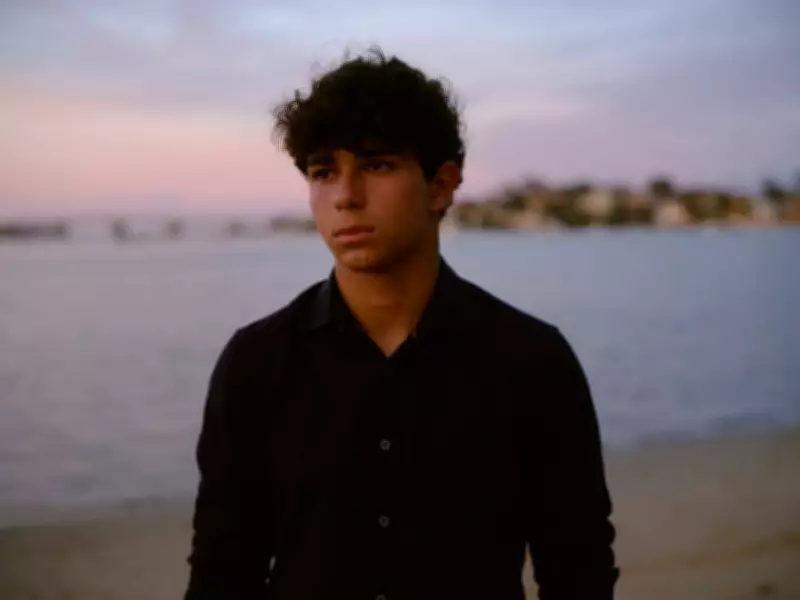
Noah Jones, a 15-year-old from Sydney, is one of two teenagers leading a landmark legal battle against Australia's social media ban for users under 16. The ban, which targets platforms like TikTok, Facebook, Instagram, Snapchat, YouTube, X, and Reddit, is being contested in the nation's highest court on constitutional grounds.
Ban Easily Circumvented by Many Teens
Since the policy took effect in December, millions of accounts have been deactivated. However, Noah Jones reports that his online experience has remained largely unchanged. "I had a minor inconvenience on Instagram but then got past it," he says. "One of my mates got banned on Snapchat but then got around it. That's pretty much my whole experience of the ban."
According to eSafety commissioner Julie Inman Grant, over 5 million accounts have been deactivated, but more than two-thirds of teens under 16 are still active on the 10 platforms subject to the ban. These include Facebook, Instagram, Snapchat, TikTok, YouTube, X, Twitch, Kick, Threads, and Reddit. Many children have bypassed facial age estimation technology, especially if they are within two years of age 16.

Legal Arguments Focus on Free Speech and Effectiveness
The Digital Freedom Project, spearheaded by NSW Libertarian MP John Ruddick, is arguing that the ban infringes on the implied constitutional right to freedom of political communication in Australia. The group contends that preventing teens from holding social media accounts restricts their ability to engage in political discussions online.
Professor Sarah Joseph of Griffith University's law school suggests that the law's ineffectiveness could undermine its constitutionality. "Such laws can only be constitutional if they are a proportionate means of achieving a legitimate purpose," she explains. "An ineffective law cannot go very far in achieving its purposes, and therefore cannot be a proportionate means."
In contrast, Monash University constitutional law professor Luke Beck argues that the law's purpose is to compel social media companies to take reasonable steps to prevent under-16s from having accounts, not to achieve a complete ban. "If some companies are not complying with the law properly, that doesn't impact the law's constitutional validity," he states.
Government Response and Parental Perspectives
Communications Minister Anika Wells has urged eSafety to impose strict penalties on non-compliant tech platforms, with fines of up to $49.5 million per breach. The federal government acknowledges in its defense that the age restriction burdens free speech but justifies it as a measure to reduce harm from features like recommender systems and endless feeds.
Noah's mother, Renee, strongly opposes the ban and has faced online backlash for her stance. "It's my right to choose how I raise my children in a digital world," she asserts. She implements strict rules at home, such as no devices in bedrooms and shared passcodes, but criticizes the legislation as rushed and ineffective. "Kids think there's a lot of really horrendous content on social media. If you want to know what's wrong with social media, ask a kid," she says. "But the ban is not addressing that."
Noah, who will turn 16 in August, emphasizes that his generation relies on social media for news and forming opinions. "Most of my generation gets their news from social media and forms their views from what they see on those platforms rather than through TV or newspapers," he notes.
The high court case is scheduled for later this year, and its outcome could significantly impact digital rights and social media regulation in Australia.