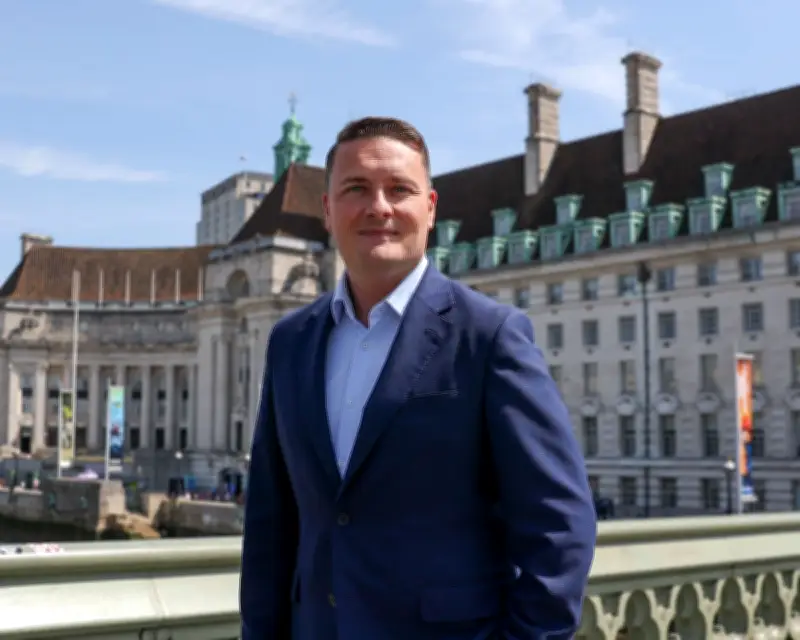
Wes Streeting has announced he will support Andy Burnham to become the next leader of the Labour Party, effectively clearing the path for Burnham to succeed Keir Starmer as prime minister as early as July. The endorsement came shortly after Burnham confirmed his candidacy following Starmer's resignation announcement.
Streeting's decision clears the field
Streeting, the former health secretary who resigned from Starmer's government last month, posted on X that Burnham aims to build "an inclusive party" and that he would not contest the leadership himself. This makes Burnham, the former Greater Manchester mayor who won last week's Makerfield by-election, the overwhelming favourite to take over without a contested vote.
Burnham, who will be sworn in as an MP later on Monday, said in a statement that Starmer's announcement "marks the beginning of a transition and it is important that this process is conducted in an orderly and responsible way." He added: "I will put myself forward as part of this process."

Starmer's resignation triggers leadership contest
Starmer yielded to mounting pressure from MPs and ministers, setting out a swift timetable to step down less than two years after his landslide general election victory. He will ask Labour's national executive committee to open nominations on 9 July. If a contest involving party members is required, it would be completed over the summer recess, with Starmer remaining in post until then.
With Streeting out of the race, Burnham could potentially be crowned unopposed, taking over around the start of the Commons recess on 16 July. While some Labour MPs believe a contest would test Burnham's ideas, many see a coronation as preferable to minimise disruption, given the UK would be getting its seventh prime minister in a decade.
Burnham's vision and Streeting's rationale
In his statement, Burnham thanked Starmer for his "leadership and dedication during such a challenging period." He emphasised stability and a focus on economic growth, cost of living, public services, housing, and opportunities for the next generation. "Political change should never distract from the responsibility to improve people's lives," he said.
Streeting, who had previously pledged to run but faced doubts about securing the required 81 MPs (20% of the parliamentary party), said Burnham's by-election win was "a victory for unity and hope over division and hatred." He explained his resignation from government was because "we were losing the fight to nationalists in every corner of the country" and that he had since been devising plans for change. After extensive talks with Burnham, Streeting is convinced his ideas have a place under Burnham's leadership.
Outlook
Streeting urged the party to unite behind Burnham: "We could spend the summer exaggerating small differences, or we can roll up our sleeves and help him to deliver the change our party and our country needs." The Labour leadership contest is now set to proceed with Burnham as the clear frontrunner, potentially becoming prime minister without a full membership vote.