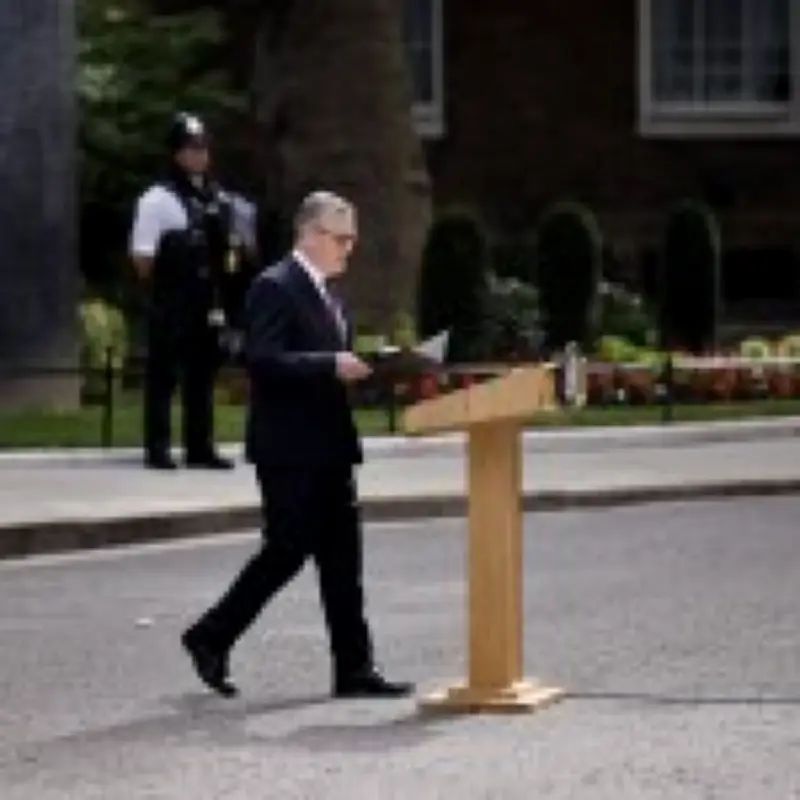
Keir Starmer's resignation as prime minister marks the sixth departure from Downing Street in the decade since the Brexit vote, a trend that political observers say reflects a deeper cultural shift toward political instability.
Brexit's legacy of chaos
Writing for Metro, senior politics reporter Craig Munro argued that Brexit has given the country a taste for political chaos. "We can't help ourselves," he noted, pointing to the rapid turnover of leaders since the 2016 referendum. The vote directly triggered the departures of David Cameron and Theresa May, while Boris Johnson, Liz Truss, Rishi Sunak, and now Starmer have all been ousted within a decade.
Munro highlighted that before Brexit, such frequent leadership changes were rare. "You have to go a long way back in British history to find the last time anything similar happened," he wrote, suggesting the referendum "has had some sort of impact on our brains."

Starmer's downfall
Starmer's resignation was not pinned on a single scandal but rather a gradual erosion of trust. The Mandelson controversy, freebies scandal, and policy criticism over winter fuel, inheritance tax, and employer national insurance all contributed. His personal approval ratings were historically low, and more ministers resigned under him than any other PM since 1979 at this point in their term.
"It's hard to shake the sense Starmer's demise is based largely on vibes," Munro wrote. Nigel Farage's Reform UK has climbed to a comfortable lead in polls, though no election is imminent. Many Labour MPs disliked the culture of his Downing Street and distrusted his ability to recover.
Public appetite for upheaval
Munro questioned whether the public would have been so willing to oust a leader after under two years without the precedent of post-Brexit turmoil. "How could it possibly be worse than the turmoil post-Brexit?" he asked, warning that a Parliament with a "regicide habit" makes it more dangerous for any PM to falter.
He concluded that the trend may serve as a caution for potential successors like Andy Burnham. The article was published June 22, 2026, ahead of the tenth anniversary of the EU referendum on June 23.