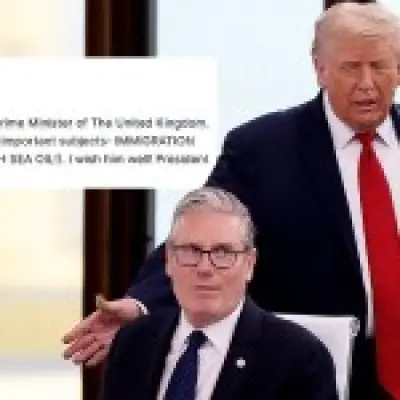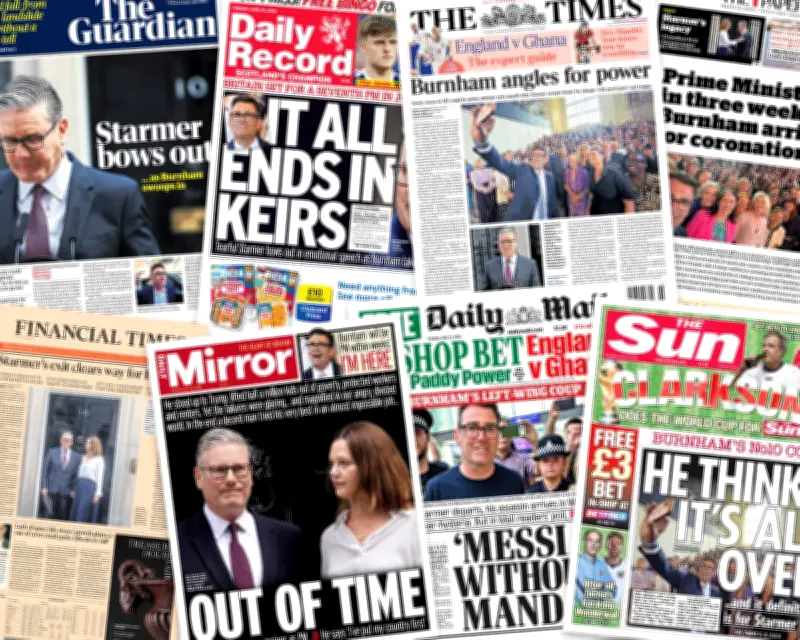
Keir Starmer has resigned as UK prime minister, ending a tumultuous tenure marked by internal party divisions and declining public support. The announcement came on June 23, 2026, after months of speculation and mounting pressure from within his own party.
Andy Burnham's Reaction
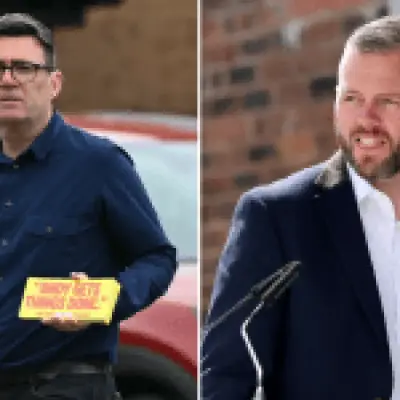
Greater Manchester Mayor Andy Burnham, a prominent Labour figure, described Starmer's resignation as "a moment for reflection" for the party. In a statement, Burnham said: "Keir Starmer served with integrity during challenging times. The Labour Party must now unite and rebuild trust with the British people." Burnham, who has been critical of Starmer's leadership in the past, urged the party to focus on policy and grassroots engagement.
Media Coverage and Editorial Responses
British newspapers reacted swiftly. The Guardian's editorial called Starmer's resignation "inevitable" after a series of policy U-turns and a failure to connect with voters. The Daily Telegraph described it as "the end of a failed experiment," while the Daily Mirror lamented "a lost opportunity for Labour." The Times noted that Starmer's departure "opens the door for a new leader to redefine the party's direction."

According to a YouGov poll published on June 22, 2026, Starmer's approval rating had fallen to 22%, the lowest for a sitting prime minister since records began. The poll of 2,000 adults also found that 68% of respondents believed the country was heading in the wrong direction.
Political Impact and Succession
Starmer's resignation triggers a leadership contest within the Labour Party. Potential candidates include shadow cabinet members Angela Rayner, Rachel Reeves, and Andy Burnham. Burnham has not yet declared his candidacy but is widely seen as a frontrunner. The Conservative Party, led by Rishi Sunak, has called for a general election, but Labour leaders have indicated they will first select a new leader.
Political analysts say the resignation could reshape the UK political landscape. Professor Sarah Childs of the University of Edinburgh noted: "Starmer's departure leaves Labour at a crossroads. The next leader must address the party's identity crisis and rebuild electoral credibility."
Public Reaction and Future Outlook
Outside Downing Street, a small crowd gathered as Starmer delivered his resignation speech, thanking his family and staff. He said: "I have always put the country first, and I believe stepping aside is the right decision for the nation." The resignation comes amid ongoing challenges including the cost-of-living crisis, NHS pressures, and Brexit-related trade frictions.
The coming weeks will see intense maneuvering within Labour as candidates vie for the leadership. The outcome will determine the party's strategy for the next general election, due by 2029 at the latest.