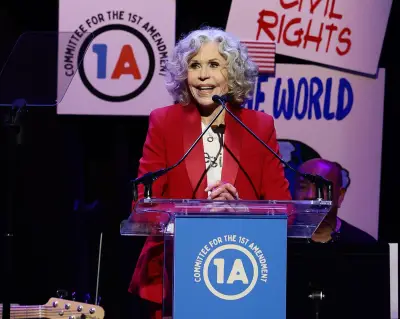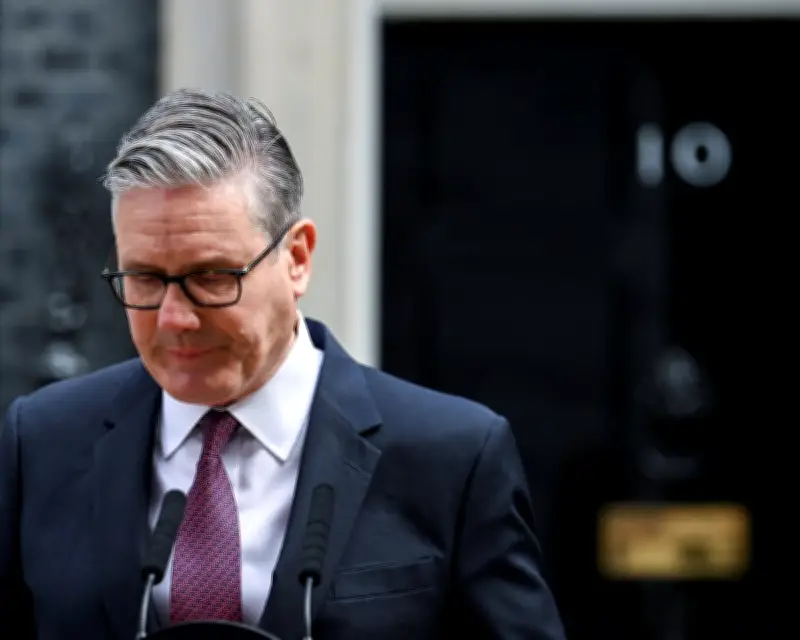
Keir Starmer has resigned as leader of the Labour Party following a catastrophic performance at the so-called 'Podium of Doom' event, according to party sources. The announcement came just hours after his speech, which was widely criticized for its lack of clarity and failure to address key issues.
Disastrous Speech Triggers Resignation
Starmer's speech, delivered at the annual Labour conference, was intended to rally support but instead led to widespread dismay among party members. According to insiders, the speech was poorly received, with many describing it as 'uninspired' and 'directionless'. Within hours, senior Labour figures called for his resignation, citing a loss of confidence in his leadership.
The resignation marks the end of Starmer's tenure, which began in 2020. He led the party through a period of internal strife and electoral challenges, including a disappointing performance in the 2024 general election. Despite efforts to reposition Labour as a centrist alternative, Starmer struggled to connect with voters and maintain party unity.

Impact on Labour Party
Starmer's departure throws the Labour Party into a leadership contest at a critical time. The party is currently trailing in the polls, and there are deep divisions between its moderate and left-wing factions. A senior Labour MP told the Guardian, 'This is a moment of reckoning for our party. We need to find a leader who can unite us and offer a credible alternative to the government.'
The resignation has also raised questions about the future of Labour's policy platform. Starmer had championed a 'balanced approach' to economic and social issues, but critics argue that this failed to inspire voters. The next leader will face the challenge of rebuilding trust with the electorate and defining a clear vision for the party.
Reactions and Next Steps
Political analysts have described Starmer's resignation as a 'dramatic end' to a leadership that promised much but delivered little. The party's National Executive Committee is expected to meet within days to set a timeline for the leadership election. Potential candidates include shadow cabinet members and prominent backbenchers, though no frontrunner has emerged yet.
Prime Minister Rishi Sunak commented on the resignation, stating, 'This is a matter for the Labour Party. The government remains focused on delivering for the British people.' Meanwhile, Labour supporters have expressed a mix of relief and anxiety about the party's future direction.