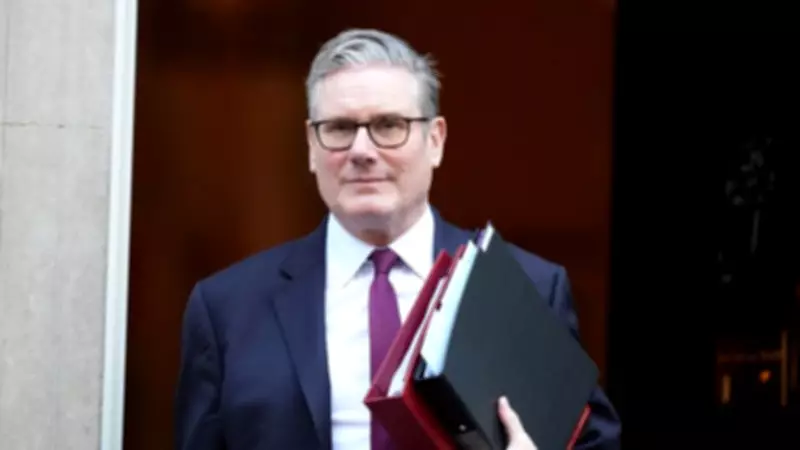
Prime Minister to Lead Emergency COBRA Session on Iran Conflict's Economic Fallout
Prime Minister Sir Keir Starmer is scheduled to chair a critical COBRA emergency meeting on Monday morning, according to Sky News reports. The high-level gathering will bring together ministers and senior officials to coordinate the government's response to the escalating economic impacts of the ongoing Iran war, with particular focus on mounting cost-of-living pressures facing British households.
Coordinating National Response to Economic Threats
COBRA meetings represent the government's established mechanism for responding to national emergencies, and this session marks Starmer's third such leadership role in recent weeks. The prime minister previously chaired a COBRA meeting last Thursday to address UK responses to Iranian strikes targeting energy infrastructure in the Gulf region. He also led a similar emergency gathering in late February following initial US-Israeli military actions against Iran.
The timing of Monday's meeting comes as economists warn that the Middle Eastern conflict threatens to significantly disrupt global energy markets and drive up domestic inflation rates. The closure of the strategically vital Strait of Hormuz due to Iranian military threats has already triggered rapid increases in global oil and gas prices, with approximately twenty percent of worldwide oil and liquefied natural gas supplies typically passing through this critical maritime chokepoint.

Projected Energy Price Increases and Inflation Concerns
Leading energy forecaster Cornwall Insight has projected substantial increases in household energy costs, predicting that Ofgem's July energy price cap will rise from £1,807 to £1,973 annually for average consumers. This represents a £332 increase from April's cap of £1,641, placing additional financial strain on households already grappling with elevated living expenses.
Economic analysts are revising their inflation forecasts upward, with some predicting rates could reach as high as five percent this year—a significant deviation from pre-war expectations that inflation would return to the Bank of England's two percent target. The potential for corresponding interest rate increases adds further complexity to the economic landscape facing policymakers.
Government Reassurances on Fuel Supplies
Housing Secretary Steve Reed addressed public concerns during a Sunday morning interview, firmly rejecting suggestions that the UK might face fuel shortages due to the conflict. "There's no need to ration fuel," Reed stated emphatically during his appearance on Sunday Morning with Trevor Phillips. While acknowledging that contingency plans exist for fuel supply disruptions, the cabinet minister emphasized that such measures are not currently required.
"People should go around and buy their fuel just like they always would," Reed advised, adding that the government would reassess the situation if circumstances change. He referenced recent government intervention regarding heating oil prices, noting that a £53 million support package was announced last Monday to assist the poorest users of heating oil—a fuel type not covered by standard price cap protections.
Balancing Credibility and Calm in Crisis Communication
Political observers note that the government faces a delicate communication challenge, needing to project credibility while avoiding language that might trigger public panic. Historical precedents demonstrate how perception can rapidly become reality during fuel crises, with panic buying episodes in both 2021 and 2000 leading to widespread forecourt shortages despite adequate fuel supplies. Those previous incidents were primarily driven by distribution challenges rather than actual fuel shortages.
Opposition voices have proposed alternative approaches to the crisis, with Conservative Sir James Cleverly suggesting the government should cancel planned fuel duty increases and accelerate development of new North Sea oil and gas fields. These policy recommendations highlight the political dimensions of the economic response to international conflicts.
As Monday's COBRA meeting approaches, government officials are preparing to address both immediate economic pressures and longer-term strategic responses to the Iran war's ripple effects through global markets and domestic economies.