Snowball Fight Ignites Political Firestorm in New York City
A seemingly innocent snowball fight in Washington Square Park has snowballed into a major political confrontation between New York City's progressive mayor and the nation's largest police department. What began as a viral social media event during a February blizzard has exposed fundamental tensions between Mayor Zohran Mamdani's reform agenda and the New York Police Department's traditional approach to law enforcement.
The Incident That Started It All
On February 23rd, as a major winter storm blanketed New York City, hundreds of young people gathered in Washington Square Park for what was initially described as good-natured pandemonium. The event, organized through social media channels including the popular Instagram show Sidetalk, featured participants throwing snowballs, wrestling in the snow, and creating makeshift snow structures. However, the atmosphere shifted dramatically when police officers arrived in response to 911 calls about people climbing park buildings and throwing snow at those inside.
Social media footage quickly circulated showing officers being swarmed and pelted with snowballs from multiple directions. The NYPD subsequently reported that multiple officers had been injured and transported to hospitals in stable condition. This prompted immediate condemnation from police leadership and unions, who characterized the incident as a criminal attack requiring serious consequences.

Divergent Responses Create Political Divide
While Police Commissioner Jessica Tisch called the incident "disgraceful" and "criminal," and Governor Kathy Hochul condemned any throwing of objects at police officers, Mayor Mamdani took a strikingly different approach. In public statements and social media posts, the mayor dismissed the videos as showing "kids throwing snowballs" and joked about catching snowballs himself.
"I'm not going to be banning snowball fights," Mamdani declared at a press conference, setting the stage for what has become a significant schism with police leadership. The Police Benevolent Association, representing thousands of NYPD officers, immediately condemned the mayor's response as a "complete failure of leadership" that put officers at risk.
Arrests and Legal Proceedings
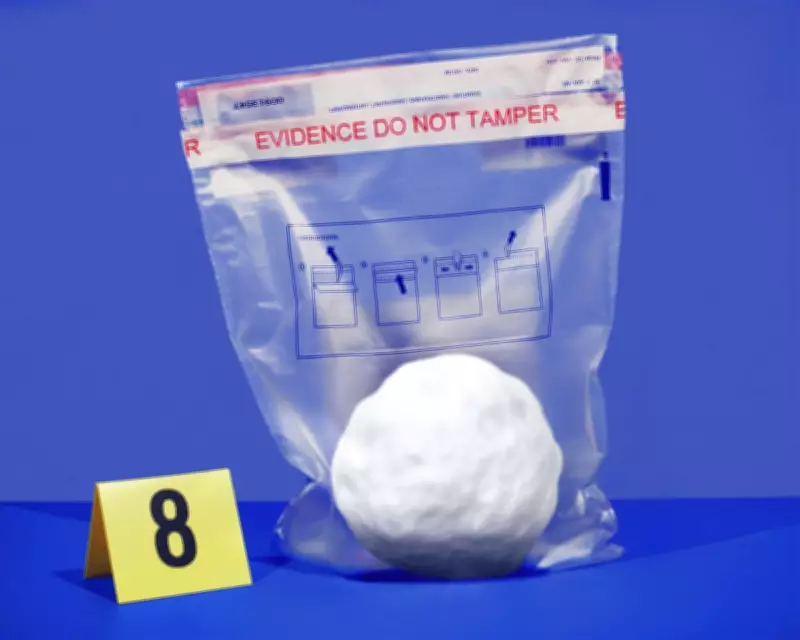
Following the incident, the NYPD identified and arrested two individuals: 27-year-old Gusmane Coulibaly and 18-year-old Eric Wilson Jr. Both face charges of harassment and obstructing government administration. Court documents reveal that prosecutors initially pursued more serious charges against Coulibaly but reduced them after determining insufficient evidence that he directly caused specific injuries to officers.
The legal complaints acknowledge that numerous people were throwing snowballs at officers but suggest the defendants were singled out primarily because they were captured on video. Coulibaly's attorney has characterized the incident as a prank that went wrong, while Wilson turned himself in voluntarily and has no prior criminal record.
Broader Implications for Police Relations
This snowball fight has become emblematic of larger tensions between Mamdani's progressive policing vision and the NYPD's institutional culture. The mayor, who previously called for defunding the police and described the department as "racist, anti-queer & a major threat to public safety," now faces the challenge of implementing reform while maintaining working relationships with police leadership.
Political analysts note that Mamdani's decision to retain Commissioner Tisch despite their ideological differences was intended to reassure those concerned about his approach to crime and policing. However, the snowball incident has brought their contrasting perspectives into sharp relief, with Tisch warning publicly: "Don't mess with my cops."
Historical Context and Future Challenges
The current conflict echoes previous tensions between New York mayors and police unions, most notably during Bill de Blasio's administration when thousands of officers turned their backs on him during public events. Experts suggest Mamdani may face similar challenges given his history of opposition to traditional policing approaches.

Looking ahead, several policy issues threaten to further strain the relationship between the mayor and police leadership. These include potential reforms to the NYPD's gang database, changes to disciplinary procedures that would shift authority to civilian review boards, and Mamdani's proposed Department of Community Safety that would divert many 911 calls away from police responders.
As the snow from that February day has melted, the political ice between Mayor Mamdani's administration and the NYPD shows no signs of thawing. The coming months will test whether a progressive mayor can successfully implement police reform while maintaining effective law enforcement in America's largest city.