How Sex Tapes and Fake Assassination Plots Have Shaped Hungary's Wild Election
While the UK's 2024 general election had its dramatic moments—from Rishi Sunak's D-Day blunder to Nigel Farage's dramatic return—Hungary's current parliamentary campaign truly takes the cake for bizarre politics. On April 12, this Eastern European nation heads to the polls for its first parliamentary elections since 2022, and the lead-up has been anything but ordinary.
The Political Landscape
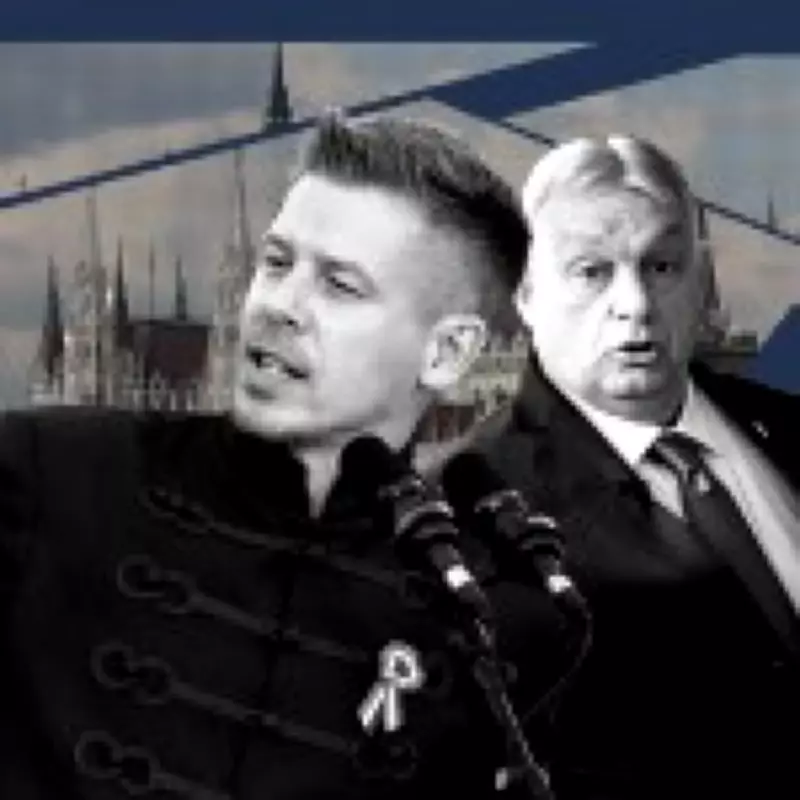
Incumbent Prime Minister Viktor Orbán, a strong ally of Donald Trump known for his distinctive center-parted haircut, achieved a decisive victory for his Fidesz party in the last election. Over the past four years, he has pulled Hungary further to the right while actively opposing support for Ukraine in its fight against Russian invaders. However, a worsening Hungarian economy has complicated his bid for a fifth term as prime minister.
Recent polls indicate that Fidesz has been overtaken by a relatively new challenger: the Tisza party. This group has skyrocketed in popularity since Péter Magyar, a former Fidesz member and vocal Orbán critic, took over leadership in July 2024. Magyar—whose surname literally translates to "Hungarian"—resigned from Fidesz in February 2024 with a blistering attack on Orbán's record. Unsurprisingly, no love is lost between these two political figures, which may explain why this election has become particularly messy.

Sex Tape Allegations and Blackmail Claims
Even before campaigning fully kicked off, Magyar attracted international headlines with claims that his opponents were plotting to blackmail him using a sex tape. The opposition leader alleged that Fidesz was "planning to release a recording, recorded with secret service equipment and possibly faked, in which my then-girlfriend and I are seen having intimate intercourse."
This accusation stemmed from a picture of a bedroom that had been shared with journalists, captioned "coming soon." Fidesz has denied any involvement in such a plot, and to date, no such video has been published. Nevertheless, the allegation has added a layer of scandal to an already contentious election cycle.
Russian Interference and Assassination Plots
On Sunday, the Washington Post published an explosive story suggesting that the stakes in this election are being felt far beyond Hungary's borders. Orbán has made a name for himself as a rare voice opposing support for Ukraine within the European Union and NATO, endearing him to Moscow. According to the report, Russia allegedly offered help to tip the election scales in Orbán's favor using extraordinarily melodramatic methods.
Citing an internal report for Russia's foreign intelligence service, the SVR, the newspaper stated that officers considered a strategy they called "the Gamechanger." This plan involved, bluntly, "the staging of an assassination attempt on Viktor Orbán," possibly inspired by the impact of the attempted killing of Donald Trump during the 2024 US presidential election, which rallied significant support.
Hungarian Foreign Minister Péter Szijjártó dismissed this report as "insane conspiracy theories that are beyond imagination." However, questions have also been raised about the appointment of Daria Boyarskaya, a former interpreter for Vladimir Putin, to a top role monitoring the parliamentary election. Boyarskaya will help coordinate the work of the Organisation for Security and Co-operation in Europe overseeing the democratic process next month.
According to the Guardian, she worked for years in Russia's foreign ministry and helped interpret meetings, including one between Putin and Donald Trump in 2019. The choice was criticized by rights group the Hungarian Helsinki Committee, though OSCE Secretary General Roberto Montella stated that Ms. Boyarskaya retains his "full trust and confidence." An OSCE spokesperson added, "The Russian government does not pay Ms. Boyarskaya's salary, nor has it done so in the past."

EU Concerns and Foreign Endorsements
Meanwhile, Polish Prime Minister Donald Tusk accused Orbán's team of "informing Moscow about EU Council meetings in every detail" in a social media post on Sunday. Political news site Politico reported that the EU is limiting the amount of confidential material passed to Hungary's leaders out of concern it would end up in the hands of the Kremlin. János Bóka, the Hungarian Europe Minister, described this story as "fake news."
Russia is not the only source of foreign support for Orbán ahead of these crucial elections. President Donald Trump has publicly backed him, stating in a video message shown at a conference on Saturday, "He's a fantastic guy and it's such an honour to endorse him."
In less than two weeks, the results will reveal whether these endorsements and scandals have impacted the outcome. But given the wild nature of this campaign, who knows what could happen before then?