Senate Democrats Force Vote to Curb Trump's Iran War Powers Amid GOP Opposition
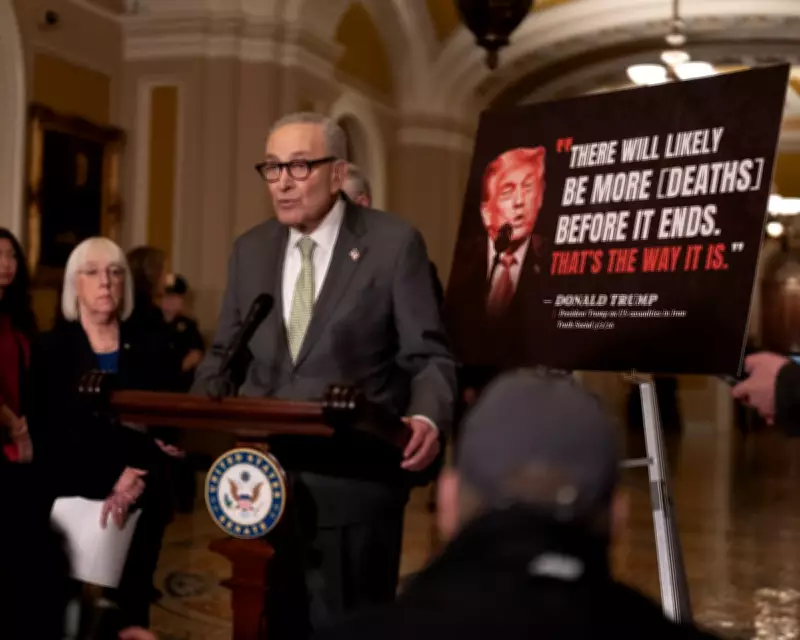
Senate Democrats are intensifying their efforts to challenge President Donald Trump's military actions against Iran by forcing a vote on a war powers resolution that would terminate United States participation in the current hostilities. The resolution, introduced by Democratic senators Tim Kaine, Adam Schiff, and minority leader Chuck Schumer, mandates that the president must seek congressional approval before re-engaging in the conflict, a move that directly confronts Trump's decision to launch strikes without prior legislative consent.
Republican Resistance and Constitutional Debate
Republicans, led by majority leader John Thune, are poised to reject the resolution, arguing that Trump possesses the necessary authority to conduct military operations in the national interest. Thune emphasized at a press conference that the president is "acting in the best interest of the nation and our national security interests," defending the air campaign carried out alongside Israel. This stance sets the stage for a heated constitutional debate over war powers, with Democrats condemning Trump for bypassing Congress and offering inconsistent justifications for the conflict.
Democratic senator Chris Murphy acknowledged the resolution's likely failure but stressed its importance in fostering debate on what he called a "deeply unpopular, immoral and illegal war with Iran." The resolution requires 50 votes to advance, but with Democrats holding 47 seats and senator John Fetterman of Pennsylvania opposing it, they need at least five Republican defections—a prospect that dimmed as Thune rallied GOP support.

House Parallel Efforts and Veto Threats
In the House of Representatives, a bipartisan war powers resolution introduced by Democrat Ro Khanna and Republican Thomas Massie faces similar Republican opposition, with speaker Mike Johnson labeling it "dangerous" to restrict the president's authority during ongoing conflicts. Even if either resolution passes both chambers, Trump could veto it, necessitating a two-thirds majority in Congress to override—a high bar given current political divisions.
Trump has previously retaliated against lawmakers who opposed his foreign policy, such as when he criticized Republican senators for supporting a war powers resolution against Venezuela, suggesting they "should never be elected to office again." This history underscores the political risks for Republicans considering breaking ranks.
Broader Implications and Lawmaker Skepticism
The votes this week highlight growing unease over the Iran conflict, which has resulted in six U.S. service member deaths and 787 Iranian casualties, according to the Red Crescent. Some Trump allies, like senator Rand Paul, have expressed skepticism, citing constitutional principles that reserve war-declaring powers for Congress to prevent unchecked military engagements. Paul stated on social media that his "oath of office is to the constitution," leading him to oppose "another Presidential war."
Similarly, right-wing congressman Warren Davidson noted Trump's past campaign promises against war with Iran and called for transparency, saying he is "open to being persuaded" by administration briefings. These dissenting voices suggest internal GOP tensions, even as the resolution is expected to fail, offering a platform to question the conflict's legality and public support.
This legislative push underscores a broader struggle over executive power and congressional oversight in U.S. foreign policy, with Democrats leveraging war powers resolutions to assert legislative authority amid ongoing Middle East crises.