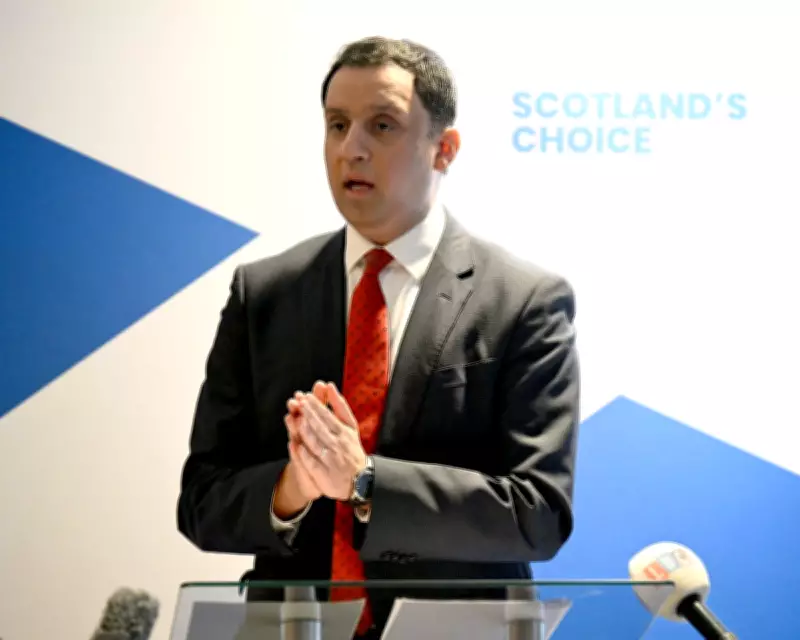
Scottish Labour Leader's Defiant Move Against Starmer
In a dramatic political maneuver, Anas Sarwar, the leader of Scottish Labour, has publicly demanded the resignation of Prime Minister Keir Starmer. This bold call, made just weeks before the crucial Holyrood election in May, is widely seen as an act of self-isolation born from deep frustration. As Scottish Labour prepares for its spring conference in Paisley, Sarwar aims to assert his independence from a Westminster government plagued by unpopular policies and scandals.
A Desperate Gambit Amid Polling Collapse
Following Labour's strong performance in the July 2024 general election, where they secured the most votes and seats in Scotland with a 16-point swing from the SNP, hopes were high for a political revival. However, recent polls paint a grim picture: Labour now risks finishing a dismal third behind Reform UK and the SNP in the upcoming Holyrood vote. Only about one-third of Scots who supported Labour in 2024 intend to do so again in May, with Reform and the SNP gaining significant ground.
Confronted with these dire statistics, Sarwar has thrown a Hail Mary pass. By distancing himself from Starmer, he hopes to rebrand Scottish Labour as a distinct entity, free from the taint of Westminster's failures. This strategy focuses attention on the SNP's vulnerabilities after 19 years in power, particularly in areas like education and public health, where the Scottish government's poll ratings are declining.

The Wider Political Storm Across Britain
This crisis is not isolated to Scotland. Across Britain, Labour faces similar challenges. In the Gorton and Denton byelection, a once-safe Labour seat has become a three-way race where the party could finish third behind Reform and the Greens. In Wales, Plaid Cymru's hold on progressive voters and Reform's rise threaten to end a century of Labour dominance with a potential rout.
For Scottish Labour, the situation is compounded by internal pressures. Welfare cuts, controversial immigration proposals, and fiscal policies from Chancellor Rachel Reeves have allowed SNP leader John Swinney to attack from the left, while Reform targets disillusioned pro-union working-class voters. Sarwar's rebellion may offer a temporary reprieve, enabling him to focus on devolved issues, but it risks further fragmenting the party.
Starmer's Survival Hinges on Sarwar's Success
Ironically, Prime Minister Keir Starmer's political survival may now depend on the success of Sarwar's act of betrayal. The two leaders previously enjoyed a close relationship, but faced with the possibility of an omni-meltdown in May's elections, Starmer needs Scottish Labour to perform well to stave off internal rebellions in Westminster. If disaster unfolds in Scotland, Sarwar's call for resignation could quickly be echoed by MPs across the UK, highlighting the profound mess Labour finds itself in.
This unfolding drama underscores the complex dynamics of British politics, where regional leaders must navigate national controversies while asserting local autonomy. As the Holyrood election approaches, all eyes will be on whether Sarwar's gamble pays off or further deepens Labour's crisis.