Five Years After Sarah Everard Murder, London Women Still Fear Police Violence
Nearly every woman across the United Kingdom vividly remembers the horrifying moment they learned who had killed Sarah Everard. The revelation that a serving Metropolitan Police officer had lured her into a car, likely strangling her with his police belt, created a collective trauma. Women everywhere could almost feel that gut-wrenching instant when Sarah would have realized she wasn't being taken to a police station as promised.
Institutional Failures Exposed
Following Everard's murder, an official investigation found the Metropolitan Police to be institutionally racist, homophobic, and misogynistic - creating what many describe as the perfect environment for a predator like Wayne Couzens to operate in plain sight. London women, whose trust in police was completely shattered, were promised sweeping reforms and fundamental changes to policing practices.
Yet five years later, women in London continue to report feeling "endangered" by male violence, with trust in the Metropolitan Police remaining unfully restored. Many women living in the capital express profound disappointment in the lack of meaningful progress.

Personal Stories of Distrust
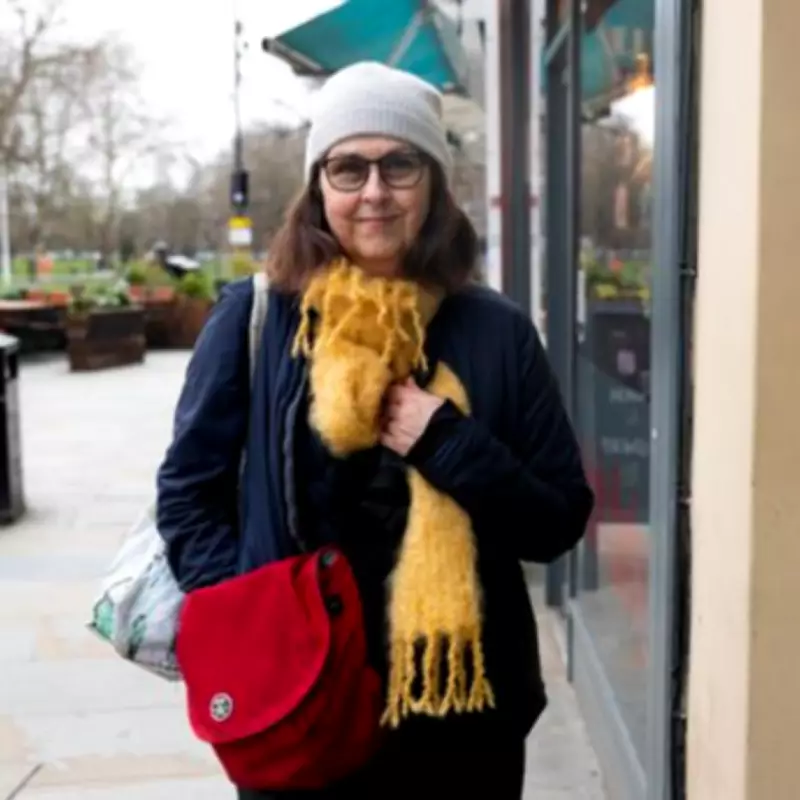
Natasha Waugh, 41, represents countless women who feel little has changed since Sarah's murder. "She thought she'd be safe and someone took her life. That's what makes it worse. You're not serving and protecting us. You hurt someone you're meant to serve and protect," Waugh stated emphatically.
Growing up near Clapham Common - where Couzens showed his warrant card before handcuffing Everard under false pretenses of Covid-19 violations - Waugh witnessed firsthand the police response to the tragedy. This included officers trampling tributes and arresting women gathered for a vigil days after the murder.
"As far as we're concerned, as women, we're the most endangered species. We can't go anywhere without being harassed, bothered or followed. Tell a man no, and he hits you because you rejected him," Waugh continued. "I think more can be done to protect women because we can have alarms and things like that, but at the end of the day, it's always us protecting ourselves. Someone has to protect us."
Violent Vigil Response Deepens Wounds
Nicole Smiren, 67, whose daughter was caught in violent clashes between police and women at the Sarah Everard vigil, describes the police behavior as "shameful". "We were so shocked and horrified by the whole thing. We used to go up there to pay tribute and there were lots of people with messages for her. It was a very emotional moment," Smiren recalled.
"It's shameful. The police, everything, how they heckled people...they sort of just went mad corralling people. The whole thing was shameful." Like many women, Smiren no longer feels she can completely trust the Metropolitan Police Service.
Systemic Problems Persist
The institutional misogyny at the Met suggests Couzens was more than just "one bad apple." Known as 'the rapist' among colleagues, he participated in WhatsApp groups where officers joked about raping, beating, and strangling women and girls. A damning report confirmed misogyny as an institutional problem within the force, despite promises of imminent change.
Disturbingly, police convictions for sexual offences have increased by more than a third since Everard's murder. According to the Independent, 59 police officers have been convicted of sexual offences since the start of 2022 - a 34 percent increase from the 30 officers convicted between 2018 and 2021, excluding Covid lockdown periods.
Younger Generation's Perspective
Younger women recognize how Wayne Couzens has fundamentally altered their relationship with police. Many see themselves in Sarah Everard - a young professional with friends, family, and relationships, murdered by someone most would instinctively trust.
"It definitely sits in the back of my mind for sure. It's kind of like your first instinct would be to approach them or ask for help. But then there's always that recoil, you know, that second thought," explained 22-year-old Ella Veitch.

Veitch and her friend Ellen Cooper, 28, report feeling unsafe using public transport alone at night, particularly in secluded areas like Clapham Common. "I think there definitely needs to be more calling out of men who are making women feel uncomfortable on public transport, things like that, men who are following women home. They need to be held accountable for things, like those small issues, before they then build," Cooper emphasized.
"It's almost becoming like we're the second class again," Cooper added. "I feel like there is just this culture upon boys and men that do kind of think they can treat women however they like. Whether it's dangerously or violently or just not nice."
Five years after Sarah Everard's murder, London women continue navigating a landscape where trust in those meant to protect them remains broken, and meaningful institutional change feels frustratingly distant.