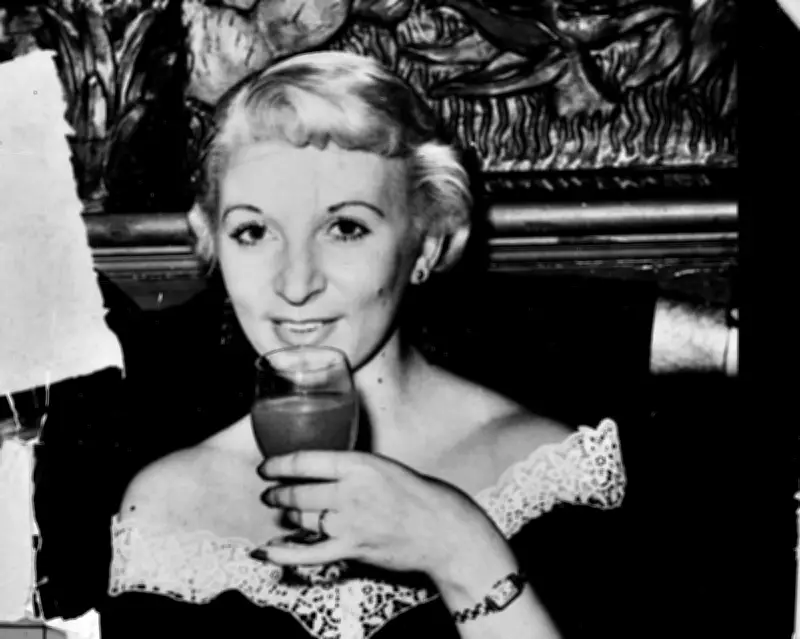
Ruth Ellis, the last woman to be hanged in the UK, has been granted a conditional pardon in light of evidence that she was a victim of domestic abuse and coercive and controlling behaviour.
Background and Execution
Ellis was executed in 1955, aged 28, after she shot and killed her partner, David Blakely, whom she met two years earlier while working in the nightclub she managed. The application for a pardon was brought by four of Ellis’s grandchildren who said her responsibility was profoundly shaped by domestic abuse, trauma and circumstances that were never properly recognised at her trial.
Government Announcement
On Wednesday, the deputy prime minister and justice secretary, David Lammy, announced in parliament that, on his advice, King Charles had granted Ellis a conditional pardon. It reflects the fact that, had the case been heard today, it is possible partial defences of loss of control or diminished responsibility could have been put before a jury. If accepted, they might have reduced her conviction from murder to manslaughter.
Family Response
Ellis’s granddaughter Laura Enston said: “This pardon does not undo what happened 71 years ago. It does not restore the lives that were broken – the children left behind, the years lost. But it says, formally and finally, that Ruth should not have been executed; that the justice system failed her. That acknowledgement matters profoundly to our family.”
Enston added: “Ruth was a victim of sustained and brutal abuse. Her children – our mother and uncle – never recovered. My uncle took his own life; my mother’s trauma left her unable to be the parent we needed. The shadow of Ruth’s execution has fallen across two generations. We have carried shame that was never ours to bear.”
Details of the Pardon
A conditional pardon does not affect the conviction itself but substitutes the sentence imposed by the court with a lesser penalty. For Ellis, it replaces the death penalty with a sentence of life imprisonment. Ellis, who was a single mother of two at the time of her death, was portrayed as a “cold-blooded killer”. Evidence has since emerged that Blakely, a racing car driver, physically and emotionally abused her.
According to accounts from Ellis, her friends, doctors and witnesses, she was assaulted in public, pushed down stairs, struck so hard on the ear she was briefly rendered deaf, caused to miscarry after being punched in the stomach, left bruised, and threatened with murder.
Official Statements
Lammy said: “We cannot change what happened 70 years ago. But we can recognise that this was an exceptional case. Today’s conditional pardon is an act of mercy. We hope it brings some measure of peace to Ruth’s family.”
Enston said: “We are deeply grateful to the justice secretary for having the courage to act. We hope Ruth’s story serves as a lasting reminder that the justice system must reckon with the abuse that drives women to the edge – and must never be afraid to acknowledge when it has got things wrong.”
Legal Context
The impact of the abuse on Ellis’s emotional state was not considered during the trial. The judge told the jury to disregard the fact she had been “badly treated by her lover” as a defence. The defence of diminished responsibility only became part of the law in 1957 and loss of control was only introduced in 2010 as a replacement for the defence of provocation.