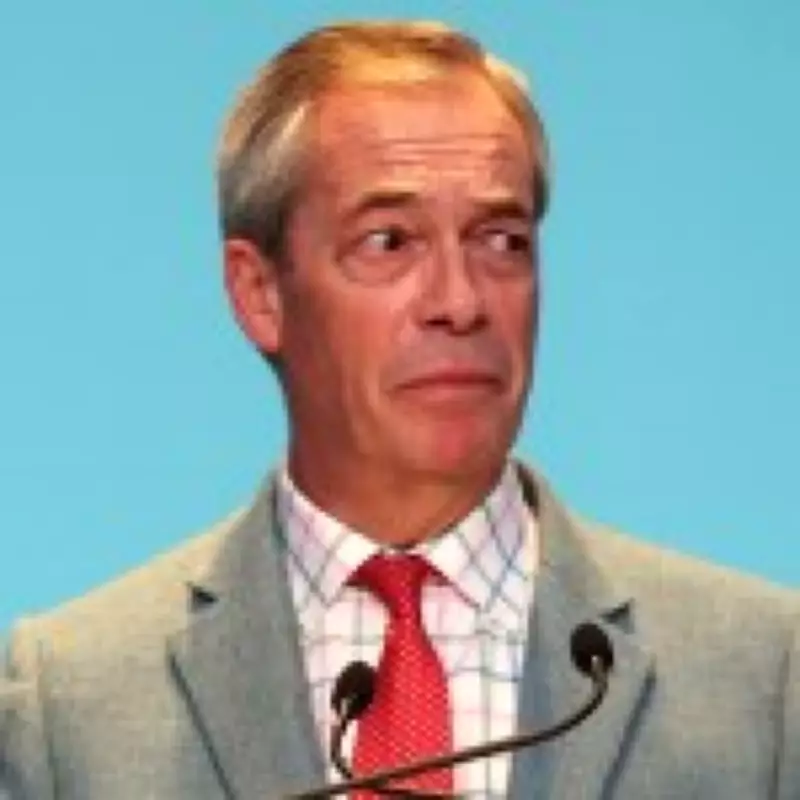
Reform UK's Legal Action Compels Government to Reverse Election Delay
In a significant political development, Reform UK has successfully forced the government into a U-turn regarding the postponement of local council elections. The controversy centers on district councils slated for merger with county councils or neighboring authorities as part of a broader local government reorganization. Initially, the government argued that holding these elections would be a wasteful expenditure and proposed delaying them. However, Reform UK initiated a legal challenge, contending that such a delay was undemocratic, leading the government to back down.
This decision means that soon-to-be disbanded local authorities will now proceed with elections in May, at an estimated cost of £63 million. Reform UK leader Nigel Farage has positioned his party as advocates for governmental efficiency, yet critics question the credibility of this stance given the substantial public funds being allocated to what they deem futile elections. With these bodies winding up operations, many argue that no meaningful policy changes are likely to emerge, raising concerns about the justification for this expenditure.
Readers Debate the Implications of Reform's Intervention
The MetroTalk section has ignited a lively debate among readers, with opinions sharply divided on Reform UK's role in this matter. Some applaud the party for safeguarding democratic principles. For instance, one reader expressed gratitude, stating that every voter should thank Mr. Farage and Reform for restoring their right to vote. This perspective frames the government's initial proposal as dictatorial and fascist, urging voters to punish the current administration by supporting alternative parties in upcoming local elections.

Conversely, other readers criticize Reform UK for what they perceive as a self-serving action that squanders public resources. They argue that if the party truly aims to combat government waste, it should not endorse spending millions on elections for councils that are on the verge of dissolution. This viewpoint highlights a tension between democratic ideals and fiscal responsibility, with some suggesting that the government should instead focus on cost-saving measures within parliament, such as abolishing the House of Lords to reduce expenses and enhance accountability.
Broader Political and Social Issues Raised by Readers
Beyond the election debate, readers have voiced concerns on a range of other topics, reflecting broader societal issues. Questions have been raised about the government's ability to address challenges like social media bots, with skepticism expressed over promises to combat online perils. Environmental sustainability also features prominently, with criticism directed at supermarkets for excessive plastic packaging on products like nuts, despite publicized recycling targets. Readers argue that such practices undermine genuine sustainability efforts and call for a shift to biodegradable alternatives.
Additional comments touch on public health, such as anti-vaping sentiments due to personal experiences with chemical exposure, and everyday annoyances like individuals hoarding free newspapers on buses. These diverse viewpoints underscore the multifaceted nature of public discourse, as readers engage with issues from local governance to global environmental concerns.
As the local elections approach, the debate over Reform UK's influence continues to resonate, highlighting ongoing tensions between democratic participation and economic prudence in British politics.