Reform UK's Zia Yusuf Accused of Sowing Cultural Division for Political Gain
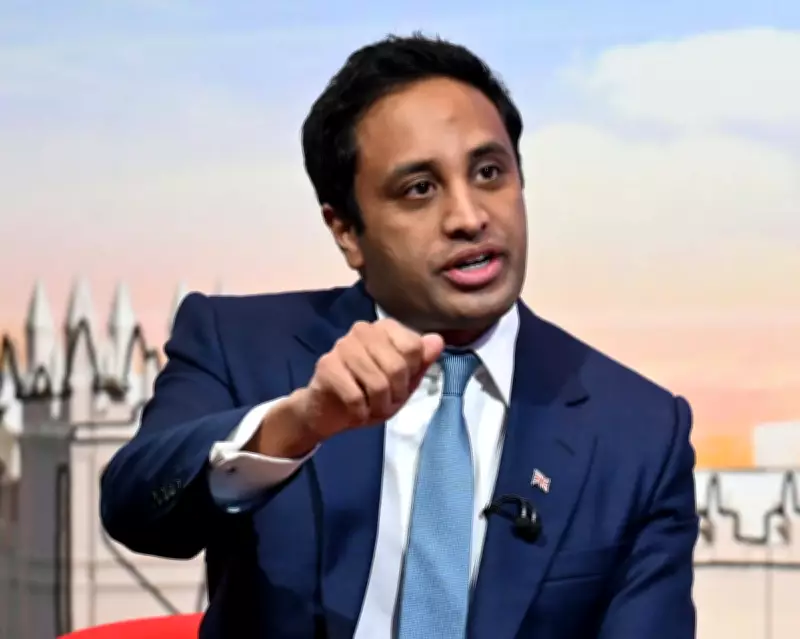
In a recent interview conducted shortly after the beginning of Lent, Zia Yusuf, Reform UK's Muslim home affairs spokesperson, outlined a controversial new policy aimed at preventing churches from being converted into mosques. Mr Yusuf described this as an "incendiary" issue related to Christian heritage, claiming it is causing widespread anxiety across the United Kingdom.
Questionable Claims and Policy Details
Subsequent analysis by the Times, which conducted the interview, revealed that instances of churches becoming mosques are extremely rare, accounting for less than 0.09% of the 47,000 churches active in the 1960s. Mr Yusuf's proposed solution involves granting automatic listed status to churches and changing planning laws to restrict changes of use. However, this approach has been widely questioned, as many churches struggle with funding repairs due to thinned-out congregations, and listed status would impose additional bureaucratic and financial burdens.
Political Strategy Over Practical Solutions
Critics argue that Mr Yusuf is not concerned with these practical issues. Instead, the point of the policy is to sow cultural division for political gain, positioning Reform UK as the party of a besieged Christian majority. This strategy mirrors the far-right-inspired Unite the Kingdom march last September, which featured wooden crosses and chants of "Christ is King." Similarly, Conservative MP Nick Timothy has recently fomented discord by describing public Muslim prayers during Ramadan as an act of "domination."

Insidious Agenda and Broader Context
This insidious agenda channels fears expressed in the great replacement conspiracy theory, which claims migration is being used to alter Europe's cultural "DNA." It hijacks the Christian traditions of a largely secular country to legitimize a callous disregard for the rights of refugees, particularly Muslims, and incite hostility toward Britain's multicultural reality. The Christian nationalist right played a key role in the rise of MAGA and Donald Trump in the United States, and figures like James Orr, a Cambridge theologian and Reform UK's head of policy, hope to perform a similar service for Nigel Farage. Last month, Mr Orr was a star guest at a gathering of far-right leaders in Hungary, where Viktor Orbán has entrenched his power by using cultural Christianity as a political weapon.
Church Response and Ethical Core
In response, Britain's churches have begun to make themselves heard in the public square. In February, Anglican bishops sought to reclaim the meaning of the cross in the flag of Saint George, which has been used by the Raise the Colours movement in an attempt to intimidate immigrants. Their statement emphasized that the "true significance of the cross" lies in the "values of respect, compassion, and care for all." Throughout the gospels, accounts of Jesus's taboo-breaking encounters with reviled outsiders reinforce this message of universality.
Conclusion: Combating Faith Abuse in Politics
On Easter weekend, this message of universality was conveyed in churches of all denominations as believers celebrated Christ's redeeming sacrifice. However, opportunists like Mr Yusuf ignore Christian teaching's ethical core, turning its traditions into a vehicle for social exclusion and cultural supremacy. As Britain's religious heritage becomes a political battleground, practising Christians and church leaders must find new ways to combat those who use and abuse their faith in the pursuit of power.