Reform UK Councillor Faces Backlash After Sharing Violent Social Media Post Targeting Labour MP
A Labour Member of Parliament has strongly condemned the normalization of violent threats in political discourse after a Reform UK councillor shared a Facebook post that explicitly stated she "should be shot." The incident has sparked widespread concern about the safety of elected officials and the toxic environment on social media platforms.
Disturbing Social Media Incident
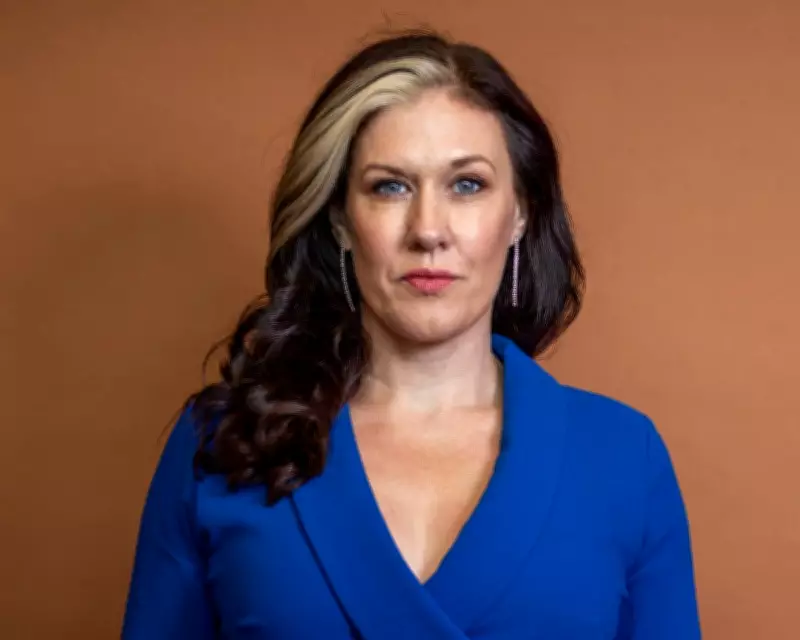
Simon Evans, who serves as the deputy leader of Lancashire council and holds the cabinet position for children and families, shared a Facebook post featuring Natalie Fleet, the Labour MP for Bolsover in Derbyshire. The post included a fabricated quote falsely attributed to Fleet, claiming she had voted against a grooming gang inquiry. Accompanying this misleading content was text that read, "you dozy cow, you should be shot."
Fleet, who has previously spoken publicly about being groomed and raped as a teenager, responded to the incident with measured frustration. "Posts like this are so common I don't bat an eyelid," she stated, highlighting how frequent such threats have become in modern politics. "However, they remind me why my husband and children begged me not to stand for office."

Impact on Political Participation
The MP expressed particular concern about how such violent rhetoric affects both her family and potential future candidates. "My first thought is always for the loved ones who have to see it, and any women who may be put off from entering politics in the future," Fleet explained. She emphasized that politicians should be able to advocate for their communities without facing death threats as a standard occupational hazard.
Fleet, who entered Parliament in the last general election, has been a vocal advocate for victims of sexual violence. She successfully campaigned for legislation to remove parental responsibility from sex offenders when a child is born from rape, a policy she described as crucial for protecting grooming victims. "I got into politics because I wanted to pay forward the help I received," she noted, referencing support from previous Labour governments.
Apology and Aftermath
Evans subsequently deleted the controversial post and issued a public apology on Facebook. He claimed the violent text was "a genuine mistake" that he failed to notice when sharing the content. "I would never intentionally call for or wish violence upon anyone, regardless of their political beliefs," Evans wrote. "This sort of rhetoric has absolutely no place in our politics."
The councillor explained that he had shared the post because of his longstanding campaign against grooming gangs, not realizing it contained violent language. "As soon as this was pointed out, I immediately deleted the post," he stated, offering a "sincere apology" to Fleet and anyone offended by the content.
A Reform UK spokesperson confirmed the party had investigated the incident and accepted Evans' explanation as an "honest mistake." The party announced it would not take disciplinary action against the councillor, stating they believed his apology and version of events.
Broader Implications for Political Discourse
This incident occurs against a backdrop of increasing concerns about threats against politicians in the United Kingdom. Fleet has been particularly outspoken about the need to change political culture, telling the House of Commons she is "sick of being told I am brave" for sharing her personal story of statutory rape. "I do not want to be brave; I want it to be expected that we tell our truth," she declared during a parliamentary debate.
The Labour MP's experience highlights the challenging environment facing women in politics, particularly those who advocate on sensitive issues like sexual violence. While social media platforms have become essential tools for political communication, they also facilitate the rapid spread of harmful content that can intimidate elected officials and discourage civic participation.
As political parties grapple with how to maintain civil discourse in the digital age, incidents like this underscore the urgent need for clearer standards and accountability measures regarding online behavior by elected representatives and party members.